
Last updated November 15, 2026
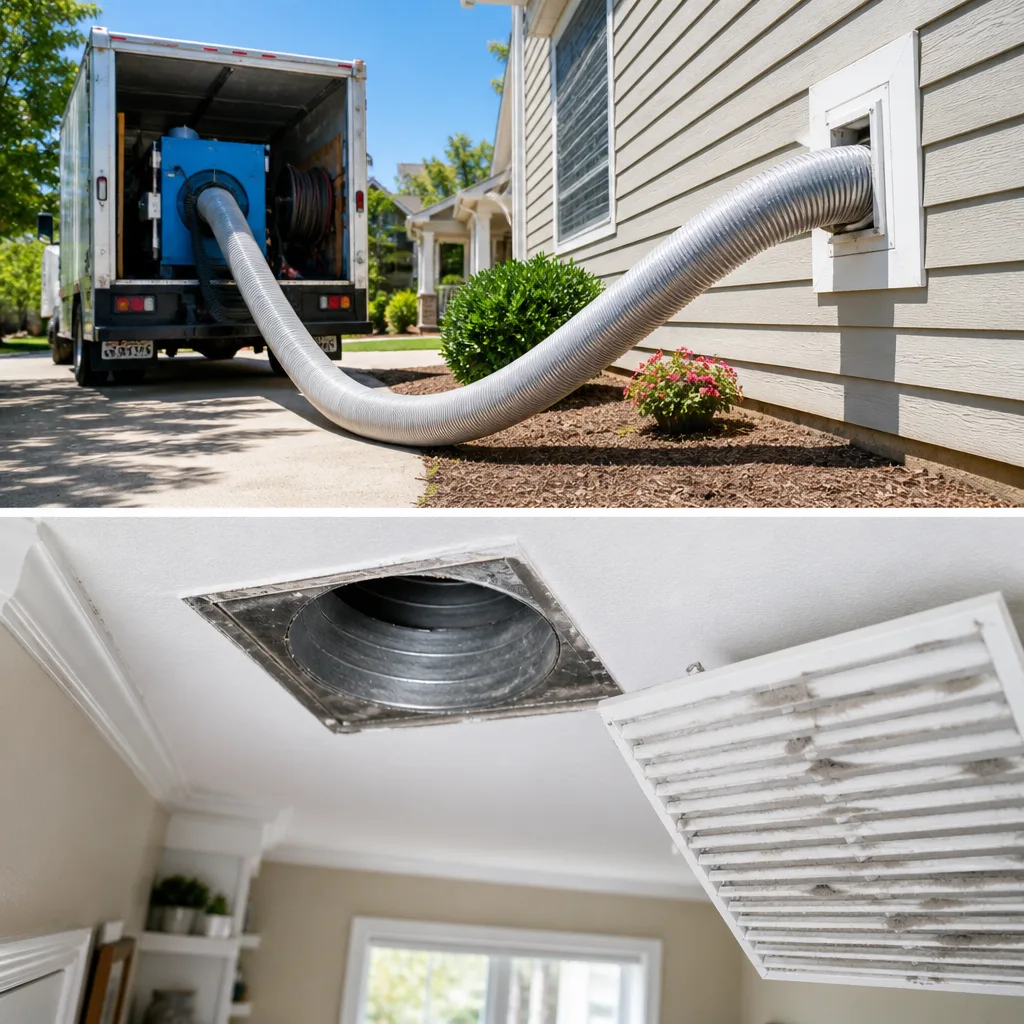 Whole-home duct cleaning
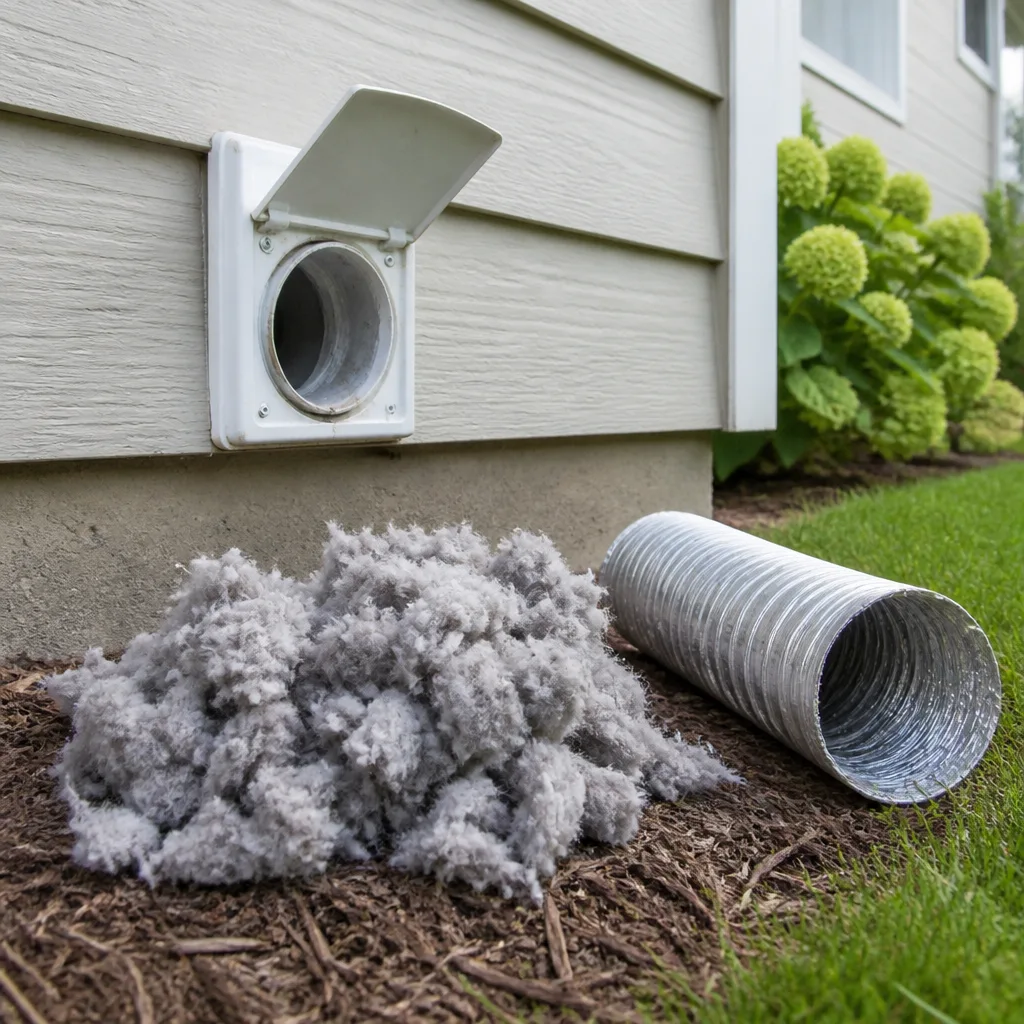 Dryer vent cleaning
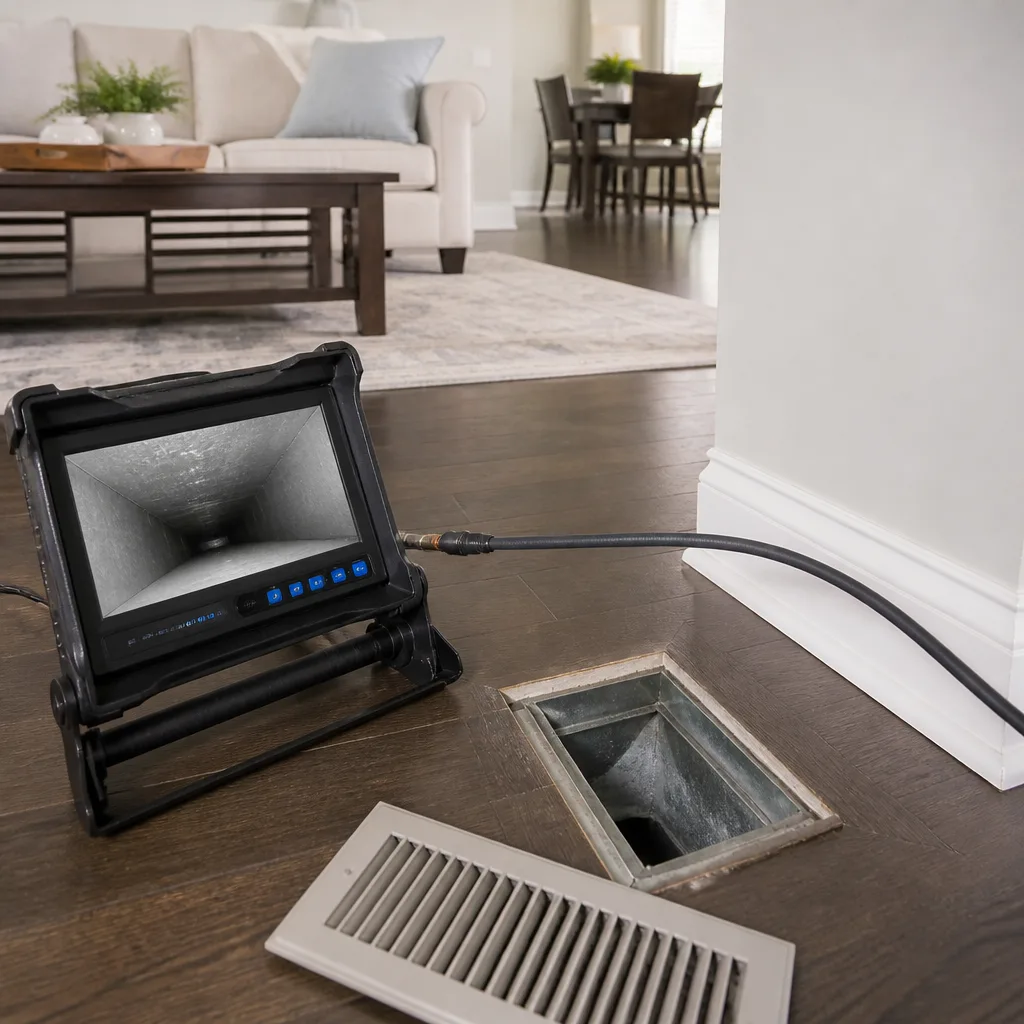 Camera inspection
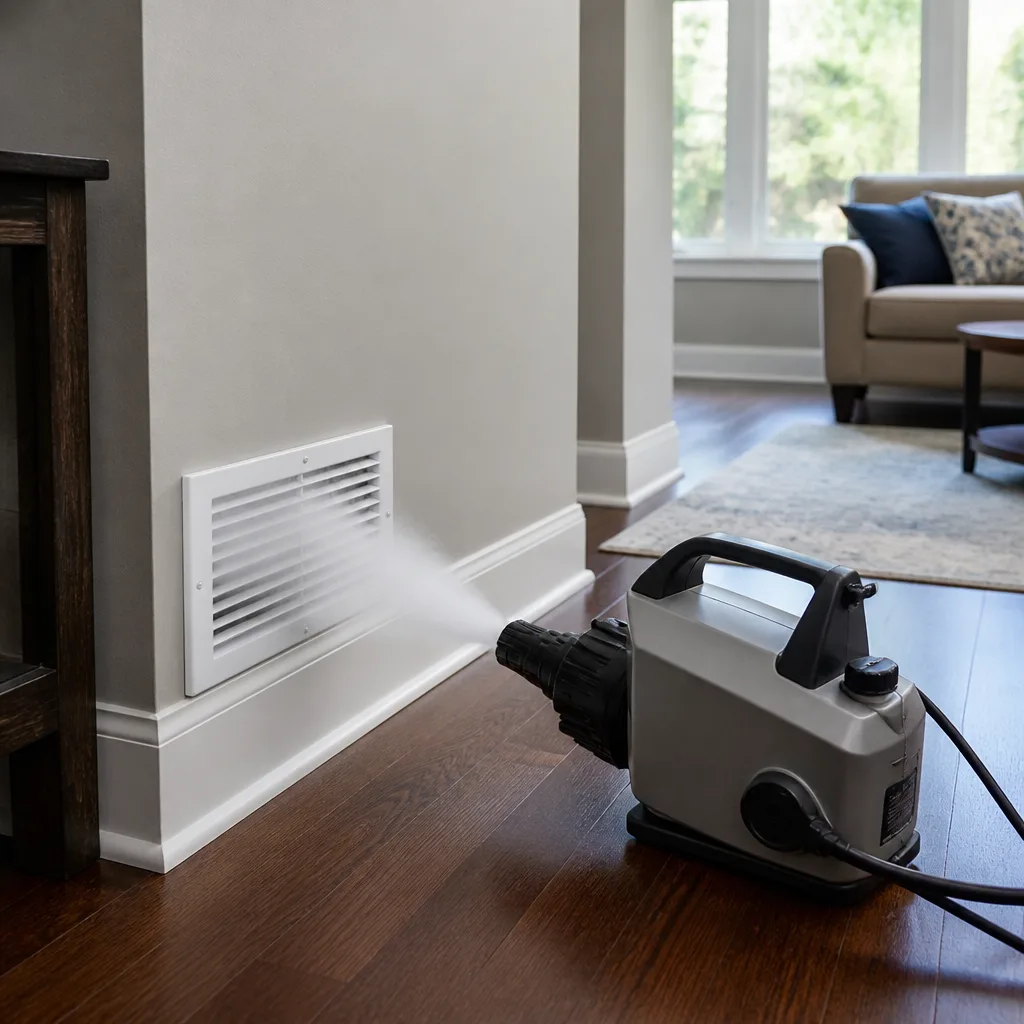 Sanitizing & deodorizing
Whole-system duct and dryer vent check with before-and-after photos - you see exactly what came out of your vents
That "$99 whole-house special" is a bait ad - the real number appears once they are in your hallway, or the "clean" is a shop-vac at the register. We photograph the inside of your ducts before and after instead.
Air Duct Cleaning Warning Signs: A St. George Homeowner’s Reference Guide
Most warning sign articles tell you to look for visible dust and a musty smell. That advice has been recycled for years, and it misses what actually goes wrong in St. George ductwork. Here, the same dry heat and attic conditions that demand constant air conditioning also work on the ducts themselves, so a failing system often announces itself through energy bills, room temperature swings, and physical damage long before anyone notices dust. This guide covers the mechanical and structural signals, not just the contamination ones, and explains what each one points to. You’ll learn which signs mean “clean it” and which mean “repair it” before either grows into a bigger job.
Quick Answer
Air duct cleaning warning signs in St. George include a sudden jump in summer electric bills out of step with a normal seasonal climb, rooms that run more than 3 to 5 degrees hotter than the thermostat setting, odors that differ in character (musty means moisture; stale and dusty means accumulation), discolored or debris-coated supply registers, and visible kinks, collapse, or cracked flex duct in the attic near connection points. Mechanical signs like these often point to duct leakage or restriction, which needs repair, not just cleaning. Cleaning solves contamination; repair solves airflow and pressure problems.
Styles & brands we work with
- Whole-home duct cleaning
- Dryer vent cleaning
- Camera inspection
- Sanitizing & deodorizing
Table of Contents
- 1. Energy Bills as a Diagnostic Signal
- 2. Room-to-Room Temperature Variance Thresholds
- 3. Musty vs. Dusty Odors: Why the Difference Matters
- 4. What Your Supply Registers Are Telling You
- 5. Warning Signs Specific to St. George Housing Stock
- 6. The Dryer Vent Sign Homeowners Overlook
- 7. A Pressure Test: What It Confirms
- Common Mistakes to Avoid
- When to Call a Professional
1. Energy Bills as a Diagnostic Signal
A sudden increase in your July electric bill isn’t automatically an HVAC efficiency problem. In St. George, where summer cooling drives household energy use harder than any other season, a bill that climbs faster than the temperature can be a direct indicator of duct leakage or blockage that a pressure test would confirm in about 20 minutes. The tricky part is separating a normal seasonal increase from a red flag.
Here’s the threshold that matters. If your summer bill rises roughly in step with how much more you’re running the system, that’s equipment and weather. If it jumps disproportionately, say a clear leap beyond the prior year at similar usage patterns, treat it as a mechanical warning sign worth investigating. We’re careful not to hand out a hard percentage, because every St. George home is sized and insulated differently. The useful test is the comparison to your own history: same house, same habits, similar summer, noticeably higher number.
Two failure modes produce that jump:
- Duct leakage. Conditioned air escapes into the attic before it reaches your rooms. The system runs longer to make up the difference, and no thermostat adjustment fixes it.
- Duct restriction or disconnection. A collapsed or disconnected run starves part of the house, so the equipment works harder to satisfy a setpoint it can’t reach efficiently.
Both are structural problems. Cleaning alone can’t close a leak or reconnect a run. Our full-system approach separates the two: a professional-grade contact cleaning with ROTOBRUSH rotary brush and Nikro HEPA vacuum handles contamination, while repair addresses the leakage or restriction driving the bill. If you already know the system needs attention, our air duct cleaning handles the contamination side, and we look hard at the ductwork itself while we’re there. If you’re unsure where to start, call (855) 419-9402.
2. Room-to-Room Temperature Variance Thresholds
Some rooms are always a little warmer than others. That’s normal. When one room runs consistently far off the rest of the house, you’re looking at supply duct restriction or a partially disconnected run, not a stubborn AC. The threshold to watch is roughly 3 to 5 degrees of difference between the coolest and warmest room on the same floor, measured over a full cooling cycle rather than a single moment.
To measure it properly:
- Let the system run for at least 20 minutes on a hot afternoon, so temperatures stabilize.
- Place a thermometer in the center of each room, away from walls and direct sun.
- Record the reading in every room and compare the spread.
- Repeat in the evening to see whether the pattern holds.
A consistent 3-to-5-degree spread points to a restricted or under-performing run. A gap beyond 5 degrees, especially in a room far from the air handler, strongly suggests a disconnected or badly kinked duct. In St. George homes, where the air handler and ductwork often sit in a hot attic, an upstairs bedroom on the far end of a long flex run is the classic case. The equipment may be fine; the ductwork feeding that room isn’t delivering.
Here’s why it matters beyond comfort. A restricted supply run backpressures the whole system. Static pressure rises, airflow through the remaining registers drops, and the equipment cycles in a way it wasn’t designed to. What looks like an HVAC problem is, more often than not, a ductwork problem wearing a thermostat’s clothing. Before anyone recommends replacing equipment, measure the room-to-room variance and get the ductwork inspected.
3. Musty vs. Dusty Odors: Why the Difference Matters
The smell coming out of your registers is one of the most useful clues on this list, and most checklists blur two very different signals into one. A musty odor and a dusty, stale odor sound similar but point to different causes, and they require different professional responses. Getting the distinction right saves money and prevents a cleaning from being sold as a solution to a moisture problem it can’t fix.
Musty odor means biological growth, which means moisture somewhere in the system. In a dry climate like ours, that moisture usually comes from a specific source: a cooling coil that stays wet, a condensate drain that isn’t clearing, humid air pulled in through a leak, or an attic duct that has taken on water during monsoon-season rains. A musty smell is a moisture issue first. The professional response is to find the moisture source, correct it, and then address the biological growth with containment-level handling. Abatement Technologies equipment capability matters here, because a moisture-driven air quality problem is a different job than routine cleaning.
Dusty, stale odor means accumulation. Years of settled dust, dust mites, and normal household debris have built up in the ductwork and are circulating slightly with every cycle. The fix is contact cleaning with professional-grade equipment that captures what it dislodges, rather than an air-washing blower that just moves it around.
If you smell musty air in a St. George home, don’t schedule a standard cleaning and hope the smell leaves with the dust. Get the moisture question answered first. Call (855) 419-9402 and describe what you’re smelling; the distinction changes what we do when we arrive.
4. What Your Supply Registers Are Telling You
A register is a window into everything upstream. You don’t need tools to read the surface signals, and a few minutes of inspection per register tells you whether the system needs attention and what kind. Here’s what to look for on each supply and return vent in the house.
- Uniform light dust. Normal. A fine, even film is expected and isn’t a red flag on its own.
- Heavy, greasy, or clinging buildup. Points to saturated ductwork upstream and sustained accumulation. Time for cleaning.
- Dark speckling or staining. Possible biological growth from a moisture source. Treat it as a musty-odor situation and investigate moisture before cleaning.
- Blown-in insulation fragments or drywall dust. Debris from construction, a recent remodel, or a damaged joint upstream. These pieces shouldn’t be reaching your rooms.
- Weak or uneven airflow. The register closest to the air handler blows strong while far-room registers barely move air. That’s a restriction or disconnect, not a cleaning issue.
- Black streaks around the grille. Air leaking around the register boot, pulling attic or wall-cavity dust into the airstream.
The pattern across registers matters more than any single vent. If every register in the house shows heavy buildup, you’re looking at whole-system contamination. If one sits weaker than the rest, you’re looking at a duct problem on that branch. In our experience across St. George, the two often appear together: a long-neglected system with one failing run. The register inspection tells you which question to ask first.
Don’t reach into ductwork to investigate further. The surfaces inside can be sharp, and pulling on flex duct can turn a small problem into a disconnected run. Note what you see at the surface and have a trained professional look inside.
5. Warning Signs Specific to St. George Housing Stock
St. George ductwork lives in unusual conditions. Attics here reach temperatures that stress flex duct in ways cooler climates never see, and much of the local housing stock uses flex duct running through those attics to reach the rooms. That combination produces warning signs you won’t find on a generic checklist. These are structural signals, and they matter as much as contamination.
What to look for on the attic side of the system:
- Kinking. Flex duct has a minimum bend radius. When it’s snaked sharply around framing, the inner liner pinches and airflow drops. A kinked run starves its room no matter how well it’s connected.
- Collapse. Flex duct that sags or flattens under attic heat, or that was undersupported at installation, closes on itself. A collapsed run is effectively a dead branch.
- UV and heat degradation at connection points. The exposed ends where flex duct meets the boot or plenum take the most sun and heat. When that material cracks or deteriorates, the joint leaks conditioned air straight into the attic. This is a common and quiet energy thief in St. George.
- Loose or separated joints. Tape that has dried and let go, or connections that were never properly sealed. Every gap leaks.
- Condensation staining from monsoon-season humidity. Even in the desert, a humid stretch or a sudden rain pattern can leave telltale marks on ductwork that has taken on moisture.
These are repair findings, not cleaning findings. Cleaning a kinked or disconnected run does nothing for the room it’s supposed to serve. Our technicians have up to 10 years of experience and our repair service exists precisely because so many of the problem signals St. George homeowners report turn out to be structural, not just dirty. If a technician finds damage, the fix is a repair, scoped and priced before work begins. That’s our St. George service in a sentence: same visit, honest findings, whole-system thinking.
6. The Dryer Vent Sign Homeowners Overlook
Every warning sign conversation about ductwork tends to forget the one duct that matters most for safety. The dryer vent is a leading household fire hazard, and its warning signs look nothing like dust in a register. Most HVAC-only cleaners don’t touch it. Here’s what to watch.
- Clothes take longer and longer to dry. A steady, creeping increase in dry time means the vent is losing airflow to lint buildup.
- The dryer feels hot to the touch, or the laundry room runs warm. Heat isn’t escaping the way it should.
- A burning or scorched smell. Stop using the dryer and get the vent cleaned before running it again.
- The exterior vent flap barely opens, or the outside of the wall near it is damp and lint-caked. Airflow is restricted.
- Lint visible around the flex duct behind the dryer. A sign the run itself needs attention, not just the screen.
In St. George homes, the dryer is often on an exterior wall with a short run, which sounds safer than a long one. But the same hot, dry attic and wall-cavity conditions that degrade supply duct also affect dryer vent flex, and lint that accumulates in that material is exactly what you don’t want against a heat source. Our dryer vent cleaning exists because the fire-safety side of ductwork deserves its own visit. If your dry times have stretched or you smell heat, call (855) 419-9402.
7. A Pressure Test: What It Confirms
Everything above is a warning sign. A pressure test is how you confirm what those signs mean. It’s the diagnostic step that separates “maybe” from “we know,” and it takes a fraction of the time a full cleaning or repair does. A technician pressurizes the duct system and measures how much air escapes, comparing measured leakage to the system’s design. A leaky system shows its gaps; a restricted system shows its backpressure.
What a pressure test tells you that a visual inspection can’t:
- Whether the system is leaking air into the attic, and roughly how badly.
- Whether a suspected restriction is real, not just a guess from a warm room.
- Whether cleaning, repair, or both is the right first move.
- Whether the numbers improve after repair, giving you an objective before-and-after.
This is where equipment and method separate serious duct professionals from low-bid operators. Contact cleaning with ROTOBRUSH rotary brush systems and Nikro HEPA vacuums captures what gets dislodged so contaminants don’t recirculate. Abatement Technologies capability means systems with a genuine air-quality problem are handled with the same standard used in professional abatement work. We’re also fluent in Honeywell and Aprilaire IAQ systems and filtration upgrades, so if the diagnosis points beyond cleaning, we can talk through the options without pretending a single visit solves everything. The point is to answer the question with data, then set one flat price per system agreed before work starts, with before-and-after photos of your own ducts as proof.
If a diagnostic turns up a problem, our Ironwood Air Duct Cleaning team walks you through what repair involves and what it doesn’t. No pressure, no scare tactics. Cleaning, repairs, and protection are three different things, and we say which one you actually need.
Common Mistakes to Avoid
- Treating a big bill as purely an HVAC problem. Before you price a major equipment change, confirm the duct system isn’t leaking or restricted. Replacing equipment while the ductwork leaks wastes money.
- Assuming one warm room means a bad AC. Measure the room-to-room spread first. A 5-degree gap points at the duct, not the equipment.
- Buying a cleaning to fix a musty smell. Musty means moisture. If you skip the moisture investigation in a St. George home, the smell comes back after cleaning.
- Falling for a per-vent teaser price. Per-vent pricing rewards the operator with the most vents to bill. Look for one flat price per system, agreed before work starts.
- Not asking for before-and-after photos of your own ducts. It’s the simplest way to know the work was actually done. Ask for it up front.
- Ignoring the attic. In St. George, the most expensive duct problem is often invisible from inside the house: kinked, collapsed, or UV-degraded flex duct in the attic. Have the attic side inspected, not just the vents.
- Skipping the dryer vent because it isn’t HVAC. It’s a fire-safety item, and it’s part of a complete duct system walk-through.
When to Call a Professional
Call when you see any of these: an energy bill that jumps out of step with the season, a room running more than 5 degrees off the rest of the house, a musty odor you can’t source, dark speckling around registers, visible kinks or separated joints in attic ductwork, or a dryer taking longer than it used to. Also call if you simply don’t know which of these applies to your home. A pressure test and an attic inspection settle the question, and the diagnosis is what tells you whether the answer is cleaning, repair, or both. Ironwood Air Duct Cleaning offers free estimates in St. George. Call (855) 419-9402; we answer 24/7, and fast dispatch from 7am to 7pm runs Sunday through Friday.
See the difference
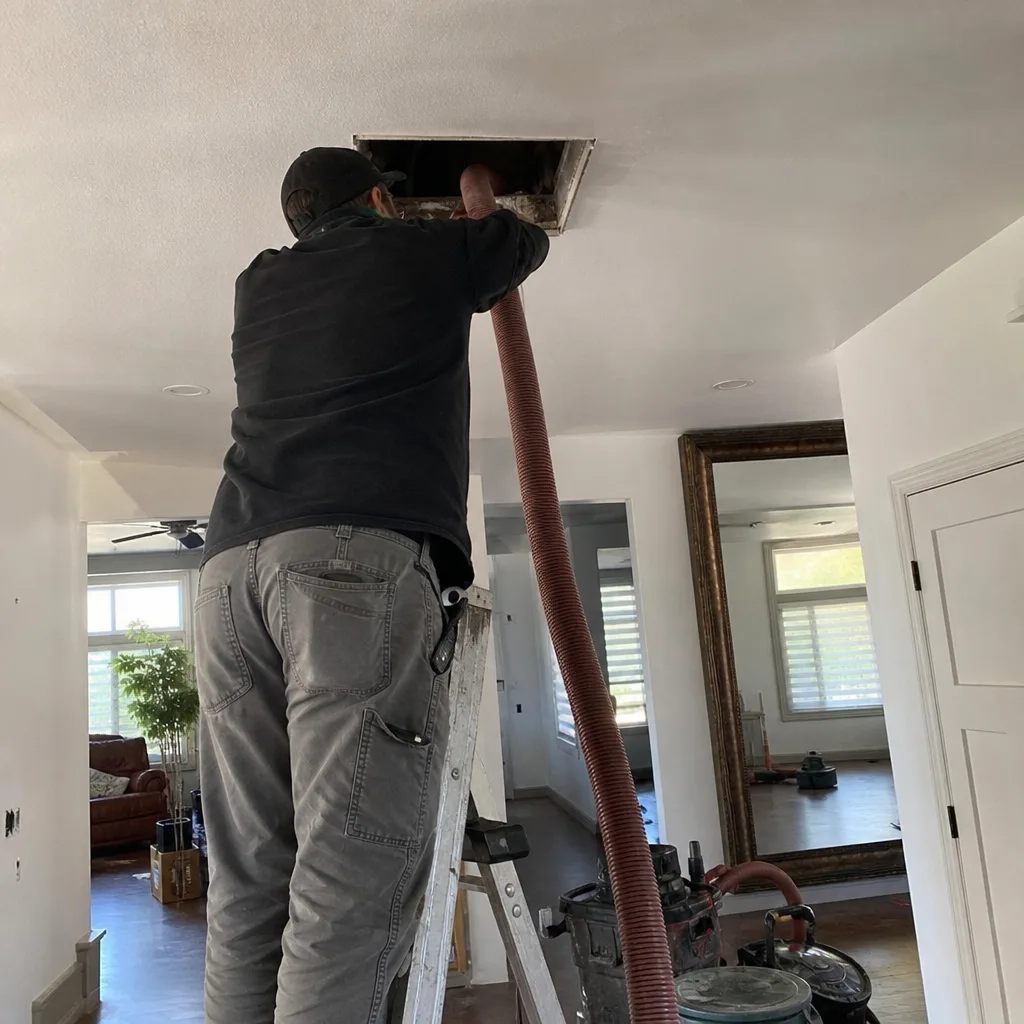 Before
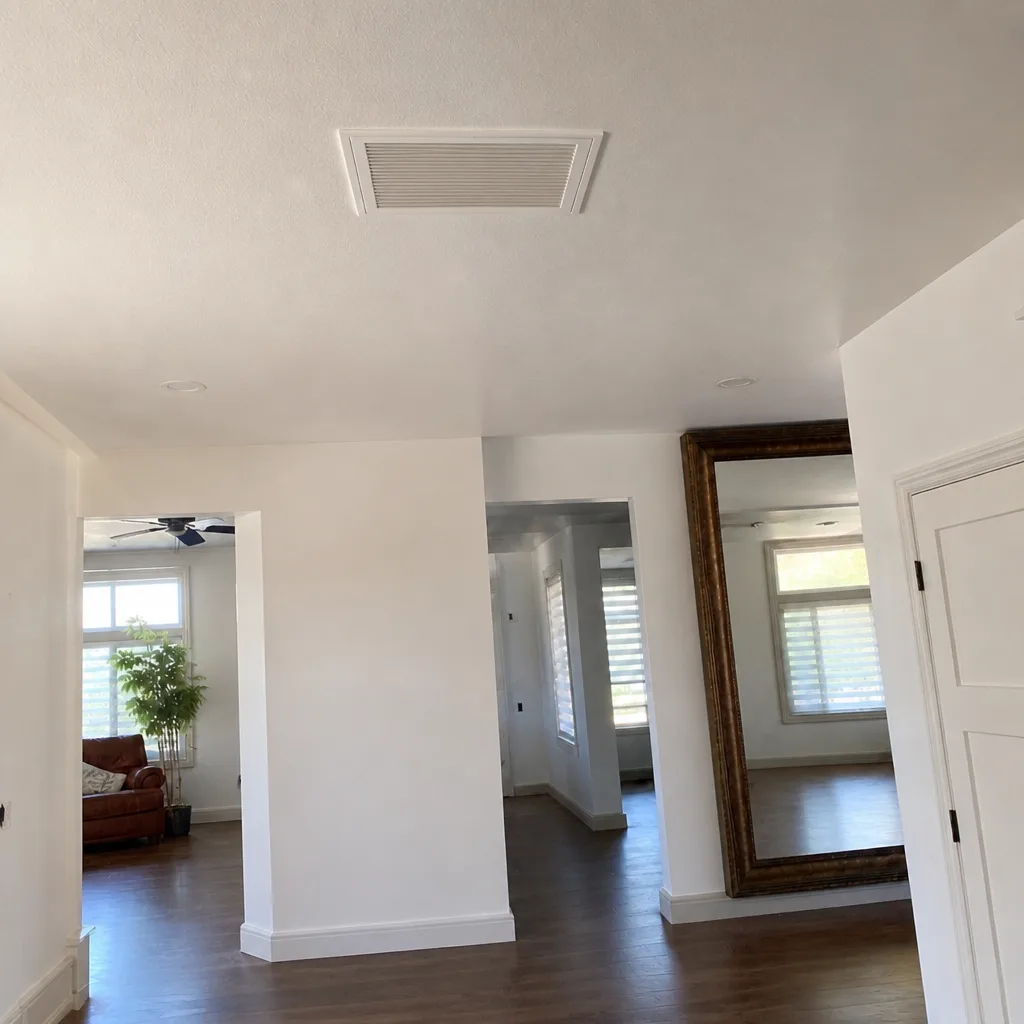 After
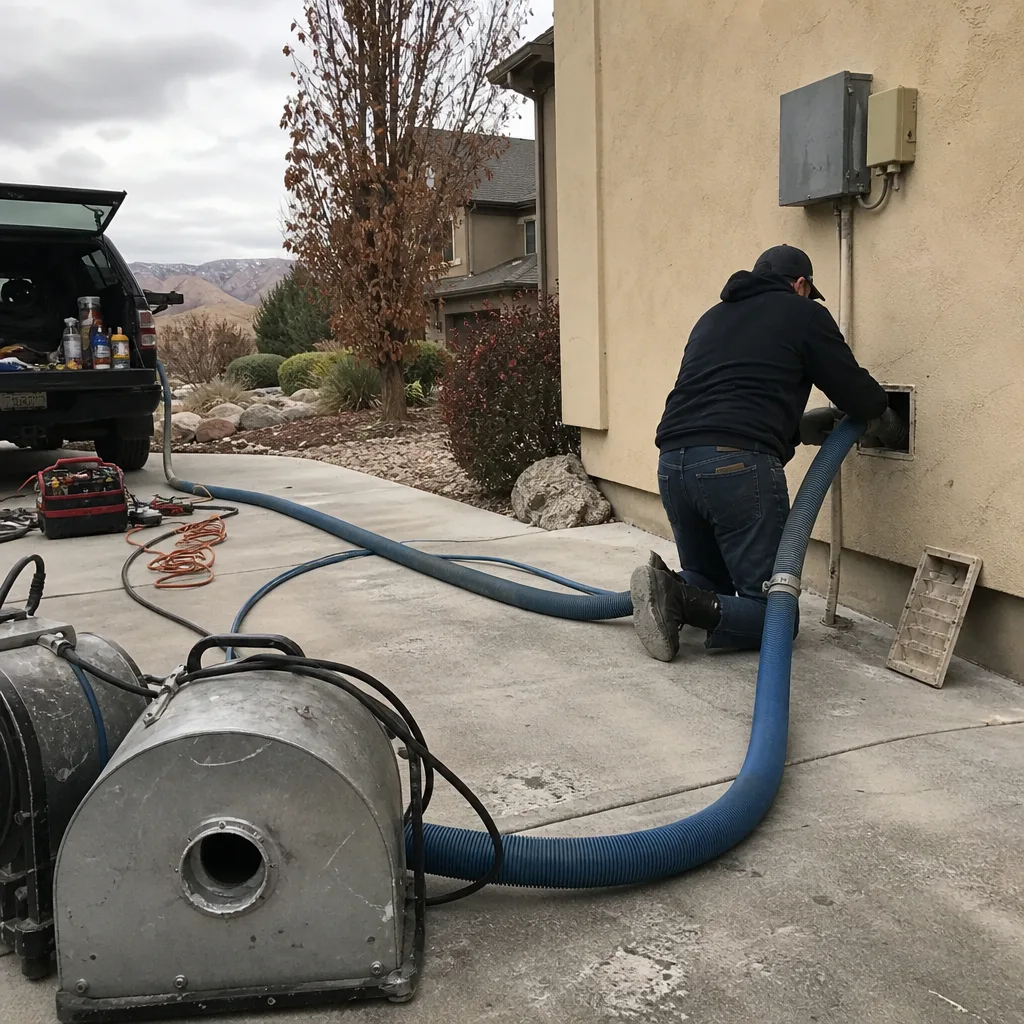 Before
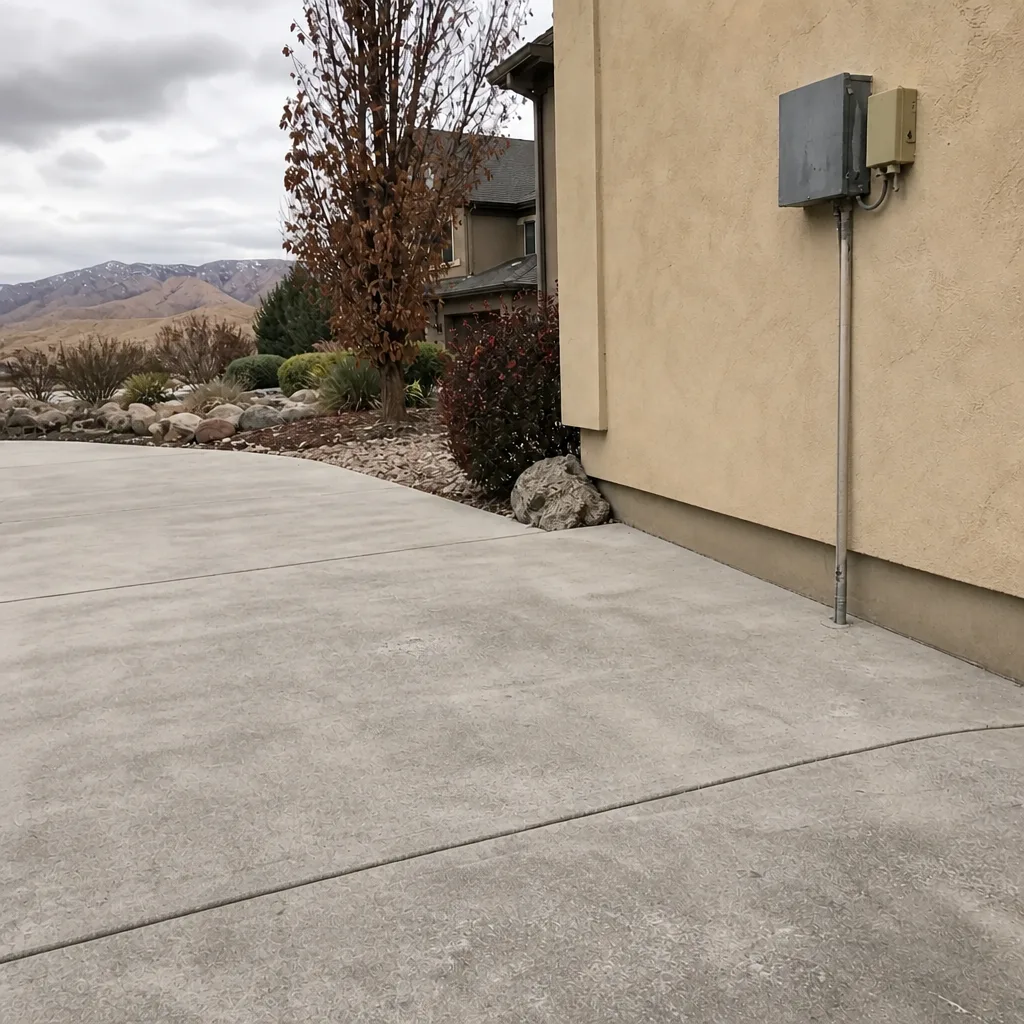 After
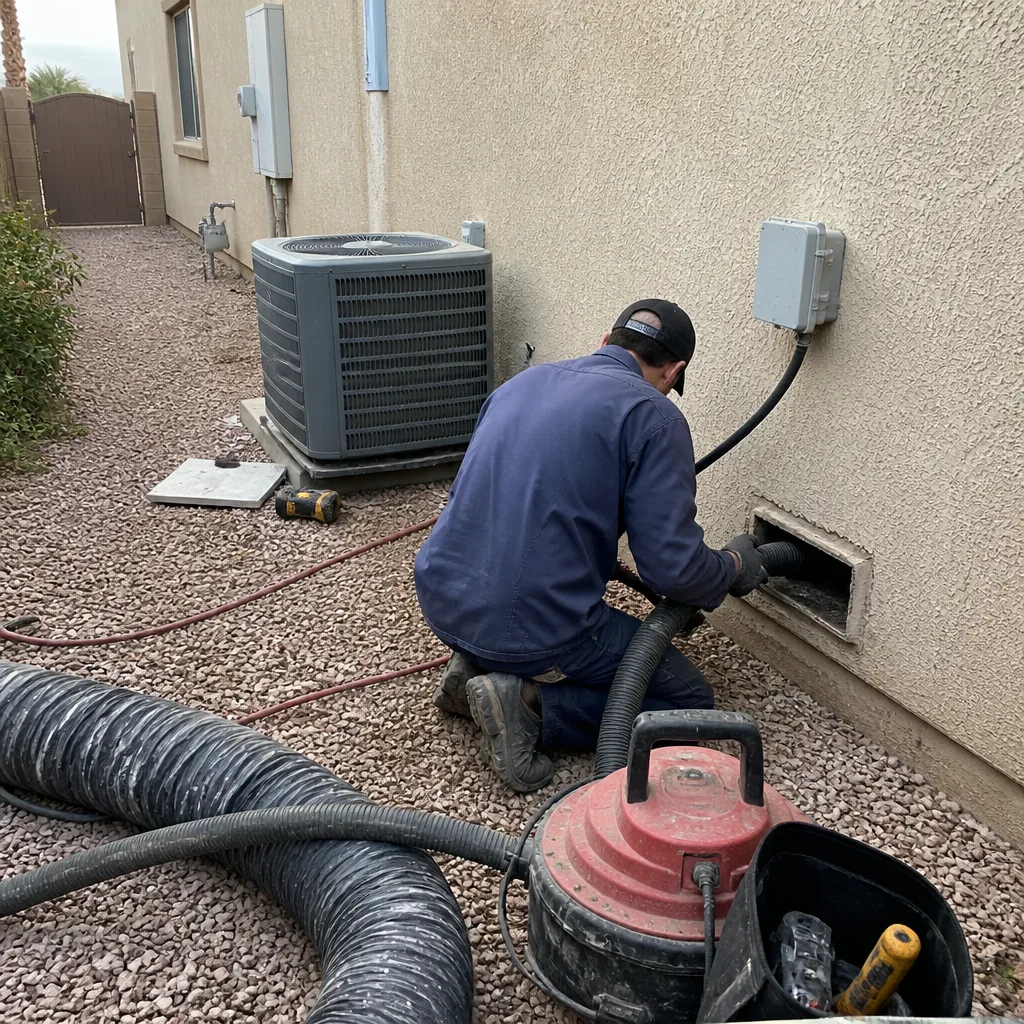 Before
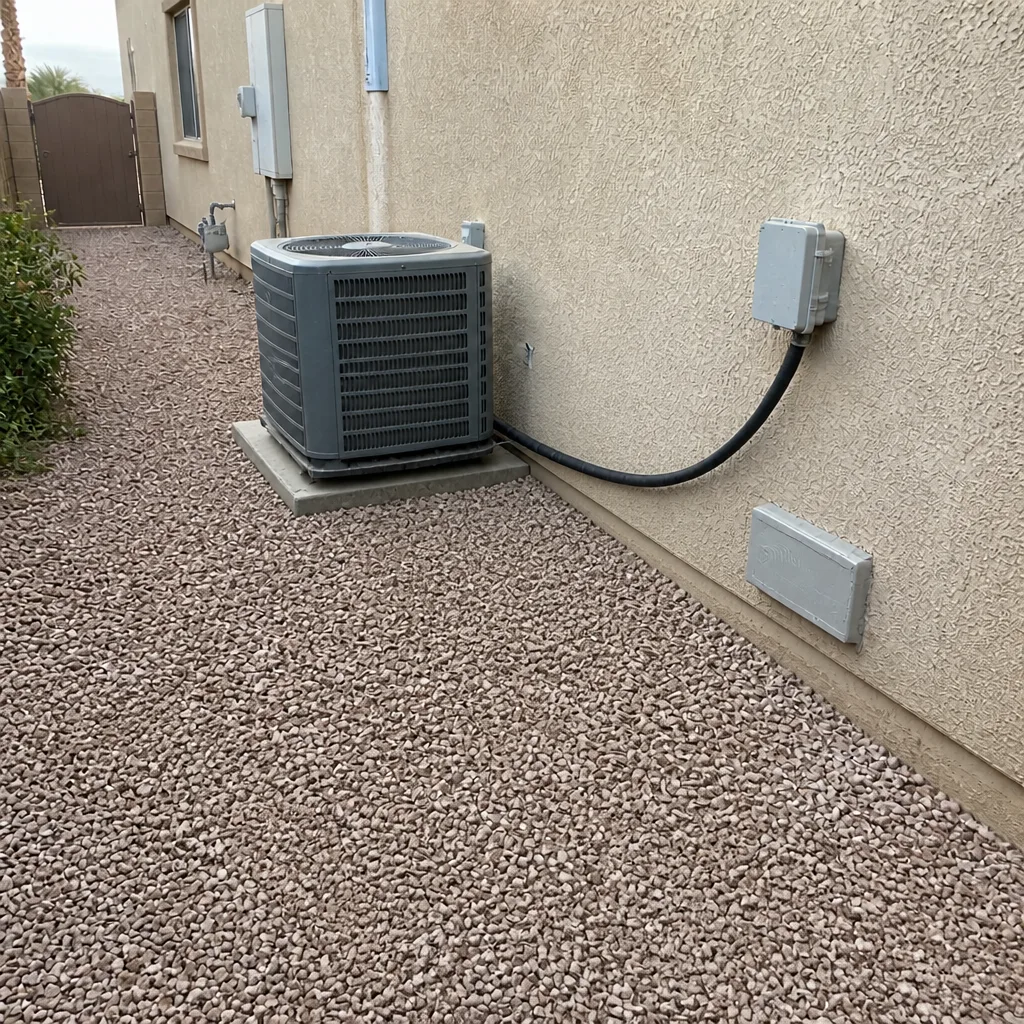 After
Frequently Asked Questions
The most reliable signs are mechanical, not visible dust: a summer energy bill that climbs beyond what the season explains, rooms running 3 to 5 degrees or more off the rest, and airflow or stains at registers. Kinked, collapsed, or UV-degraded flex duct found in the attic is another major signal in our housing stock. Musty odors point to moisture and dusty odors point to accumulation; both warrant a professional visit. Call (855) 419-9402 for an exact assessment; estimates are free.
Honest pricing is one flat price per system, agreed before work starts, not a per-vent rate. Whole-system cleaning is typically in the low hundreds to a few hundred dollars depending on system size and access, with repair and dryer vent cleaning priced separately by written estimate. The written estimate sets the final price. Call (855) 419-9402 to get one; estimates are free.
Cheap quotes usually reflect less equipment and a blow-and-go method rather than contact cleaning. A low teaser figure can become a far larger invoice once the technician is on site, or the work simply moves dust around instead of removing it. Ask what equipment will be used and whether the price is per system or per vent. Call (855) 419-9402 for a straight answer and a real estimate.
Ask for before-and-after photos of your own ducts, and make sure they’re part of the job from the start. Contact cleaning with a rotary brush plus HEPA capture leaves visible evidence in those photos. If a company can’t show you what it removed, that’s your answer. Call (855) 419-9402 to see how we document the work.
There’s no universal schedule; it depends on your home, pets, recent construction, and whether anyone has allergies. Watch for the mechanical warning signs in this guide rather than a calendar. Some homes go many years; others need attention sooner after a remodel or a moisture problem. Call (855) 419-9402 and we’ll tell you honestly whether you’re due.
Not always, but it’s a strong clue worth testing. A bill that climbs out of proportion to your usage, with no other explanation, is exactly the pattern that points to leakage or restriction. A pressure test confirms it in about 20 minutes. Call (855) 419-9402 to schedule one; estimates are free.
The Bottom Line
The warning signs that matter most in St. George aren’t just visible dust and smell. They’re the mechanical ones: an energy bill that jumps out of step with the season, rooms running degrees off the rest, musty air that means moisture, registers showing debris or weak airflow, and attic flex duct that’s kinked, collapsed, or cracked at the joints. Read each sign for what it points to. Contamination means cleaning; leakage and restriction mean repair; moisture means stopping the source first. A short pressure test answers the question that guessing can’t. Our technicians have up to 10 years of experience, work with professional-grade equipment, and set one flat price per system before work starts, with before-and-after photos of your own ducts. Ready to know for sure?
Call (855) 419-9402 for a free estimate. We answer 24/7, and fast dispatch from 7am to 7pm runs Sunday through Friday. Ironwood Air Duct Cleaning serves homeowners, landlords, and property managers across St. George with cleaning, repair, and protection in one place.
Written by the team at Ironwood Air Duct Cleaning.