
Last updated November 15, 2026
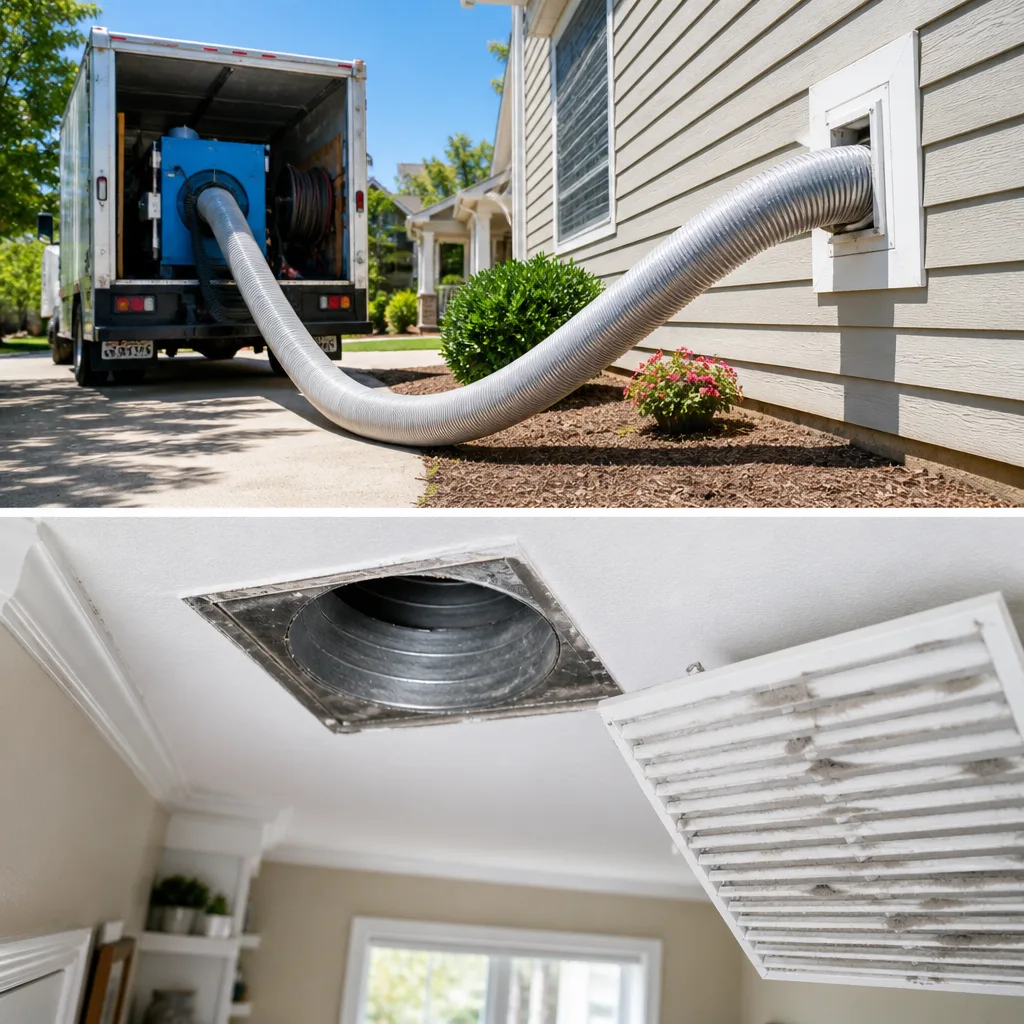 Whole-home duct cleaning
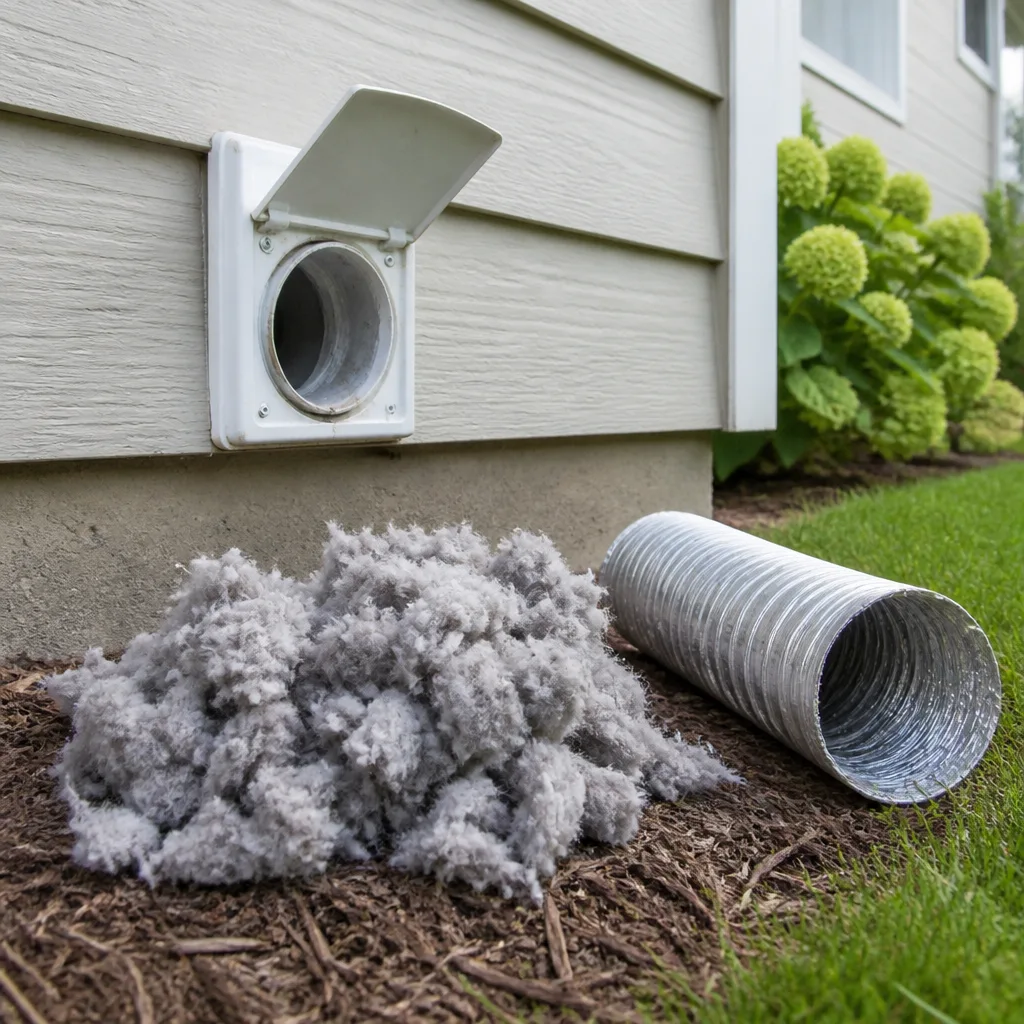 Dryer vent cleaning
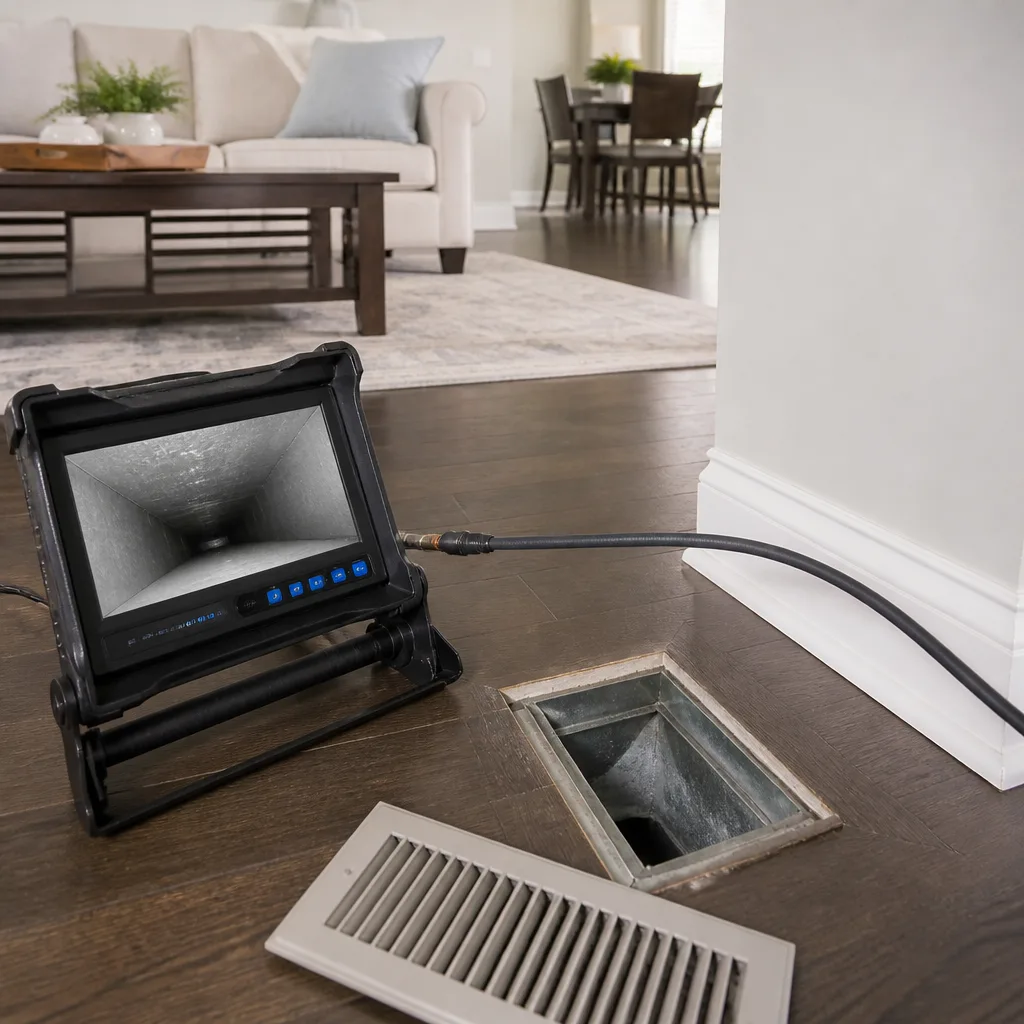 Camera inspection
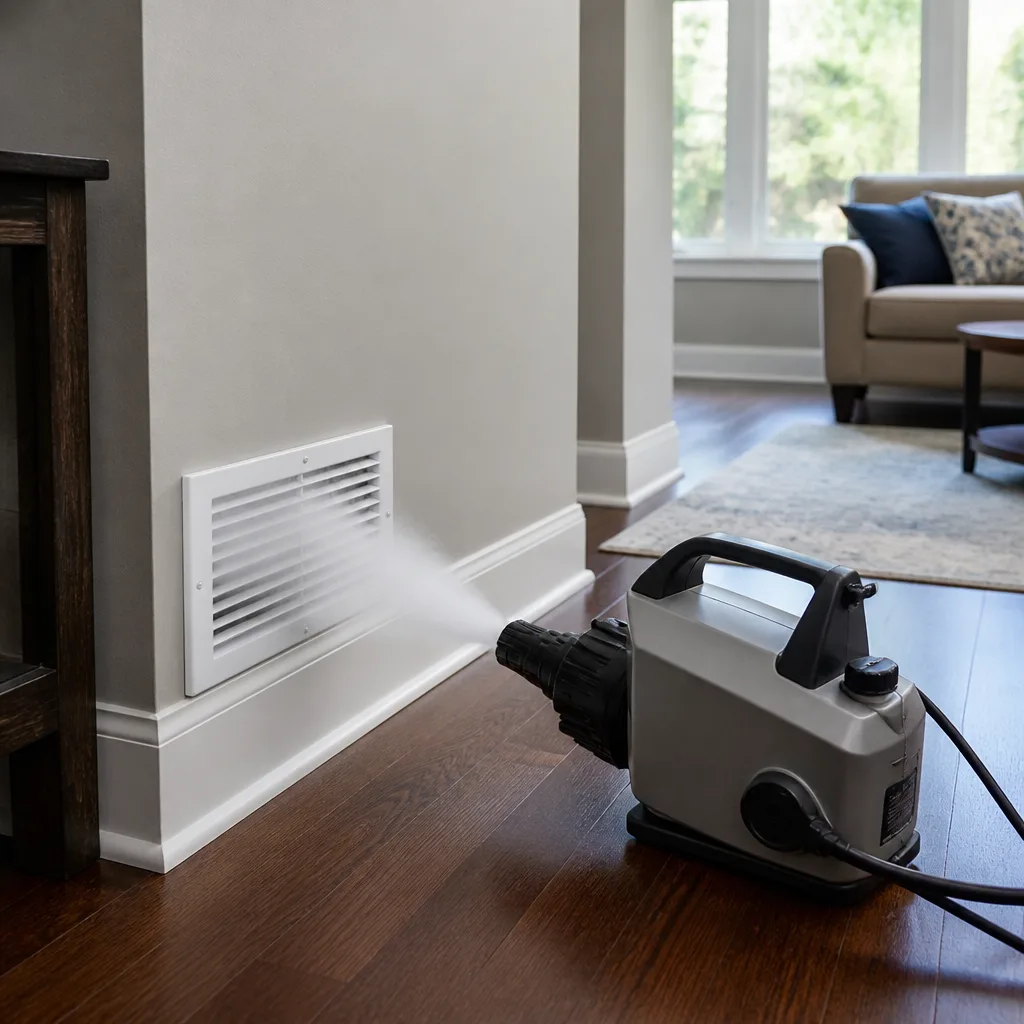 Sanitizing & deodorizing
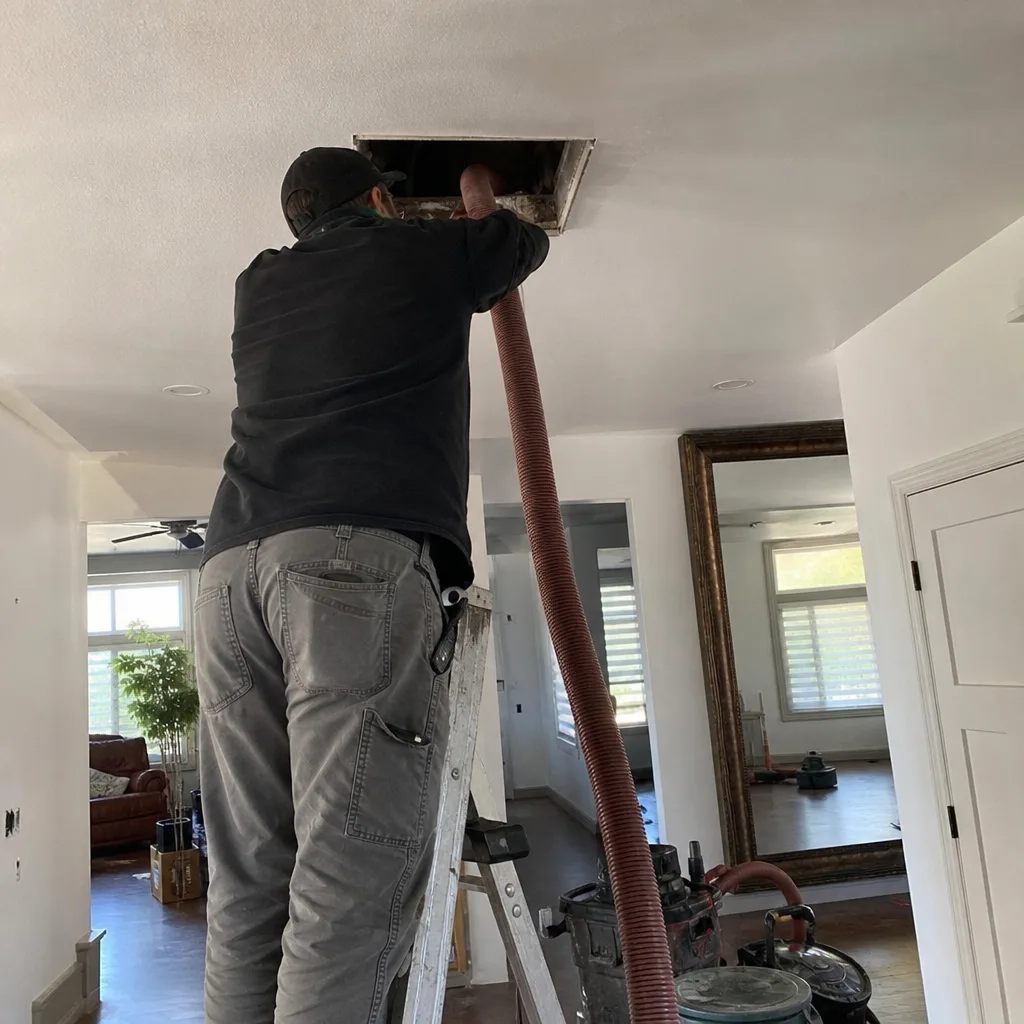
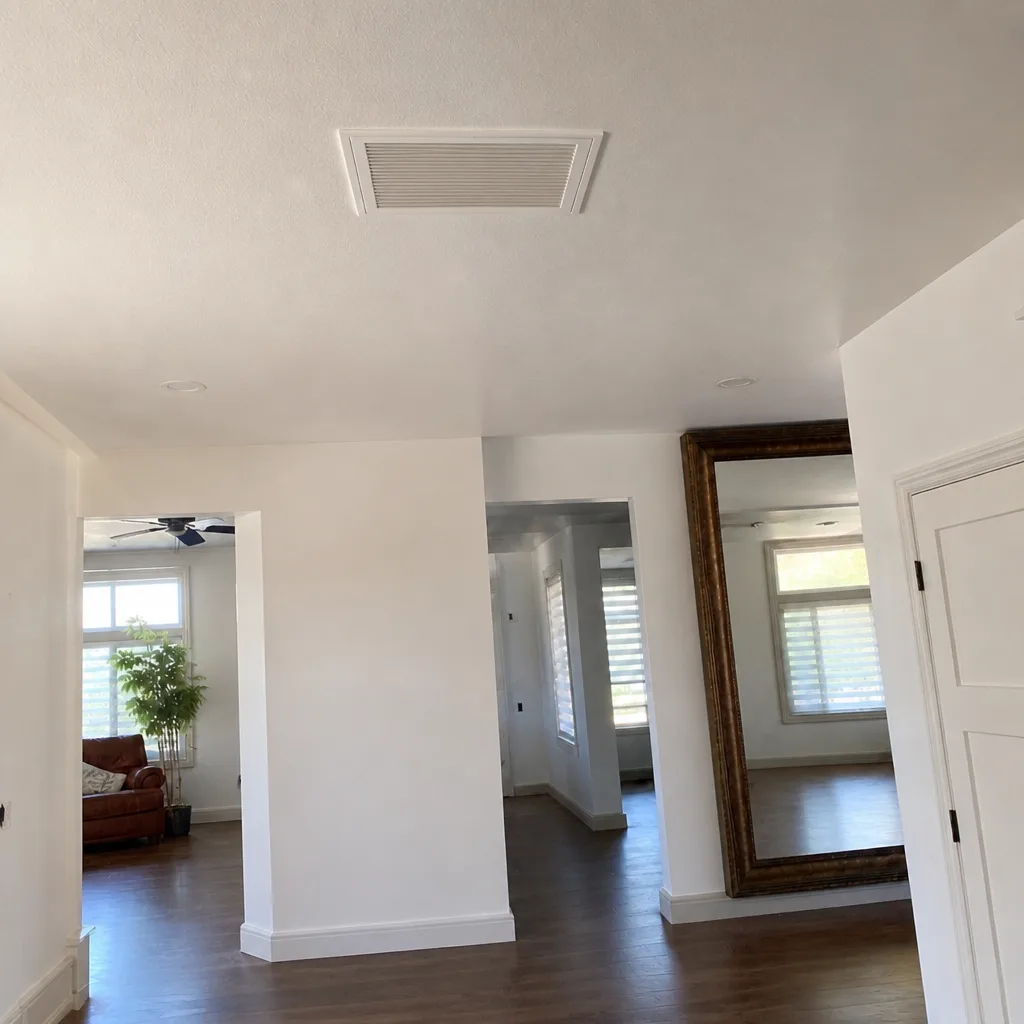
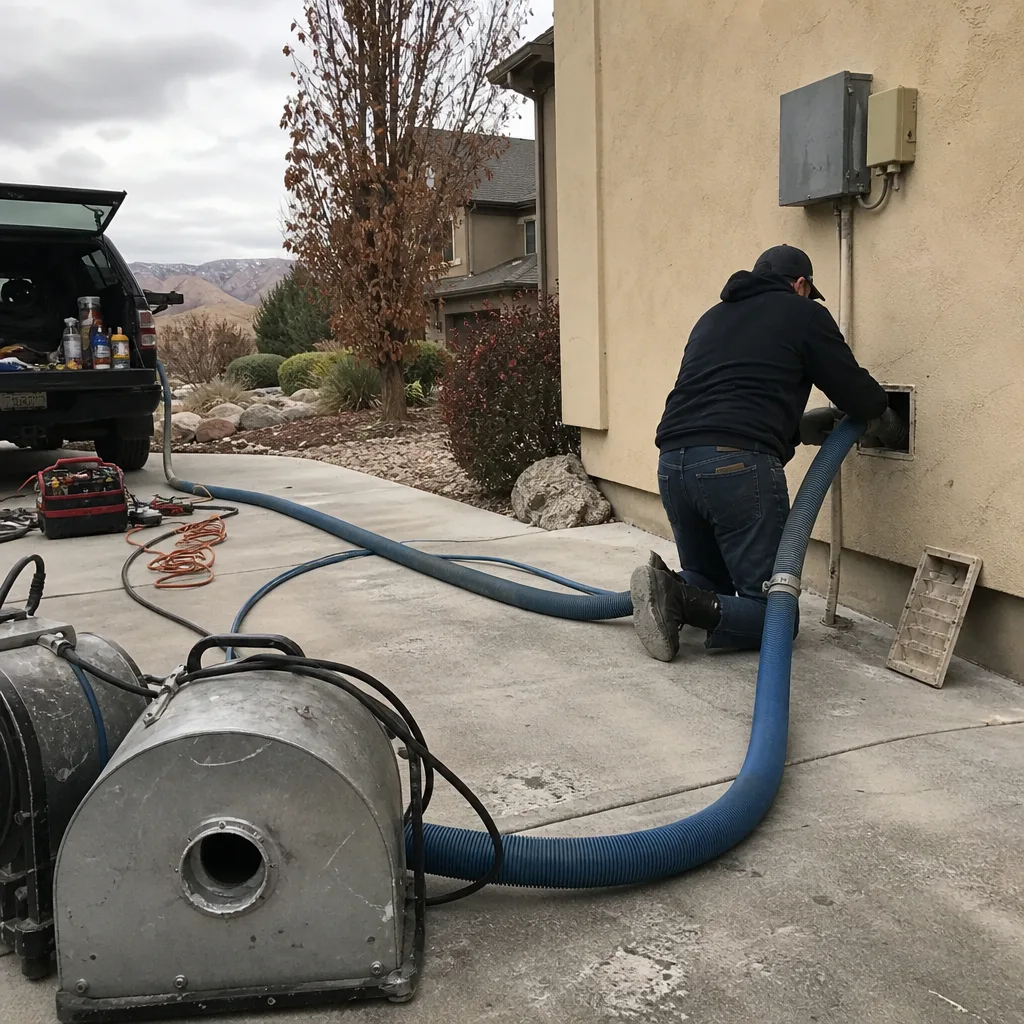
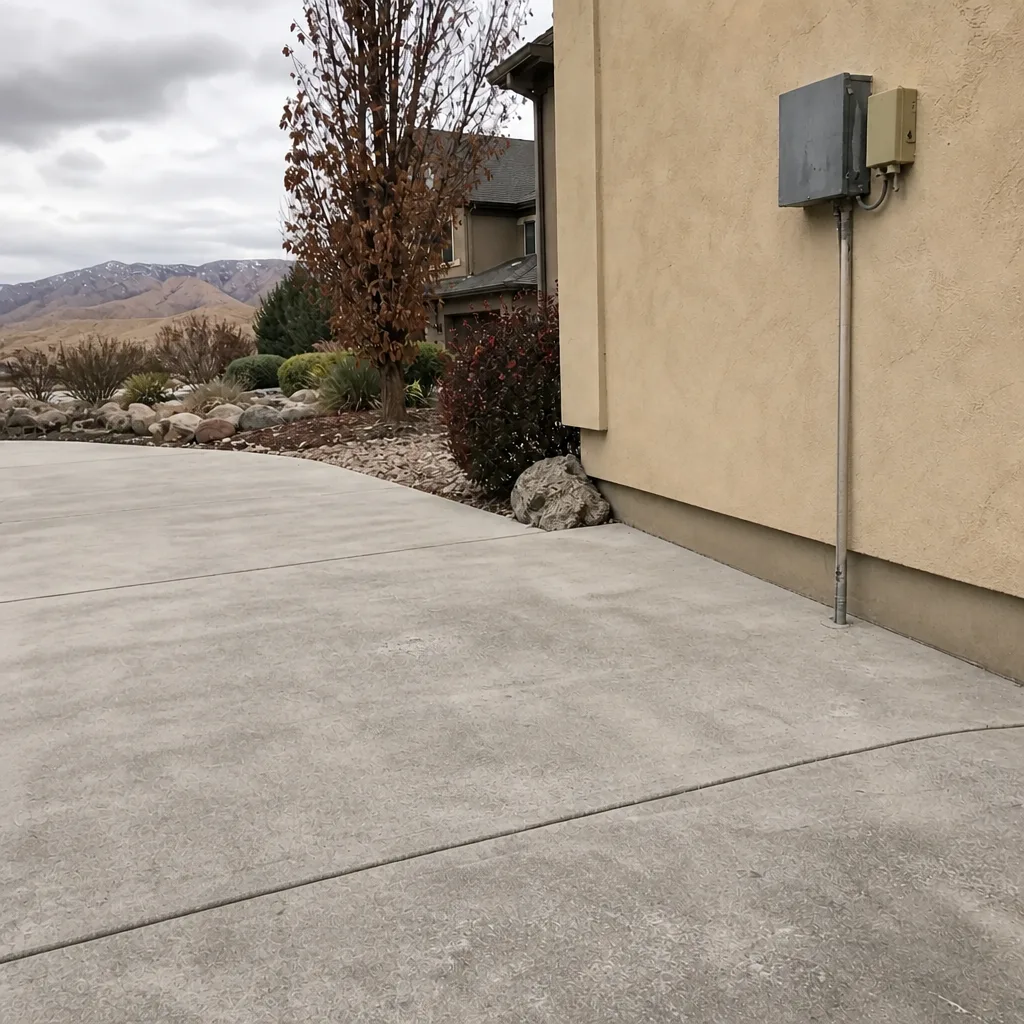
Whole-system duct and dryer vent check with before-and-after photos - you see exactly what came out of your vents
That "$99 whole-house special" is a bait ad - the real number appears once they are in your hallway, or the "clean" is a shop-vac at the register. We photograph the inside of your ducts before and after instead.
Air Duct Cleaning Emergency Preparedness Guide for St. George Homes
Most homeowners think of duct cleaning as routine maintenance, something to schedule when the vents look dusty. Here’s the counterintuitive part: the days that matter most for your ductwork are the ones you can’t control. During the 2020 Zion fire complex, St. George air quality reached hazardous AQI levels for days. Homes that ran their HVAC during that period, even with windows closed, pulled smoke particulate into ductwork where it embedded in duct liner and kept off-gassing for months afterward. Most homeowners had no idea it was happening. This guide is the action plan we wish every St. George household had before the next wildfire, haboob, or flash flood event rolls through. You’ll learn exactly when to shut your system down, how to restart it safely, what to inspect, and how to document the damage for insurance.
Quick Answer
Protecting ductwork during a St. George environmental emergency means shutting the HVAC system down before smoke or dust enters the return, sealing the intake, and then running a professional inspection and contact cleaning after the event clears. Wildfire smoke, desert dust storms, and flood moisture each contaminate ducts differently, so each calls for a different response. The single most important step is stopping airflow before contamination enters the system, not trying to clean it out afterward with a household vacuum.
Styles & brands we work with
- Whole-home duct cleaning
- Dryer vent cleaning
- Camera inspection
- Sanitizing & deodorizing
Table of Contents
- Why St. George Homes Face a Unique Duct Emergency Risk
- Wildfire Smoke Protocol: When to Shut Down Your HVAC
- Haboob Response: Keeping Desert Dust Out of Your Return System
- Filter Specifications That Actually Protect Your Ductwork
- Flash Flood Aftermath: When Moisture Turns Into Mold
- Emergency HVAC Shutdown and Restart Sequence
- Documenting Contamination for Insurance and Air Quality Records
- Building a Duct Emergency Kit Before the Next Event
Why St. George Homes Face a Unique Duct Emergency Risk
St. George sits in a bowl of desert terrain where three distinct environmental hazards meet: regional wildfire smoke from surrounding ranges, haboobs that push fine silica across the valley, and flash floods that can dump heavy rain in a matter of hours on ground that doesn’t absorb it. Each of those events interacts with your duct system in a different way, and all three are hard on indoor air quality.
What makes this harder for St. George homeowners is the way homes here are built. Many have return systems drawing from multiple rooms and long attic or crawlspace runs where dust settles and moisture collects. That configuration is fine in normal conditions. During a contamination event, it turns the duct system into a reservoir. Fine particles enter through the return, settle on interior surfaces, and stay there long after the sky clears and the outdoor AQI readings return to normal.
We’ve seen this pattern repeatedly in our work across St. George. The air outside looks fine again. The house smells like smoke or dust for weeks longer. That’s not a coincidence. It’s the residue of a system that pulled contamination in and has no way to expel it on its own.
What counts as an environmental emergency for your ducts
- Regional wildfire smoke that pushes local air quality into unhealthy or hazardous ranges
- A haboob or a strong dust storm that drives visible dust into the home
- A flash flood that wets attic or crawlspace duct runs
- Extended periods of high wind carrying fine particulate into return grilles
- Any event that visibly reduces indoor air quality for more than a day or two
The response protocol for each of these is different, and getting it wrong doesn’t just leave residue behind. It can push contaminants deeper into the duct liner and make the eventual cleanup harder and more expensive.
Wildfire Smoke Protocol: When to Shut Down Your HVAC
When regional wildfire smoke pushes St. George air quality into hazardous levels, the instinct is to keep the HVAC running with the fan set to ON. That’s the wrong move. A continuously running system pulls outside air into the home through the fresh-air intake and any return leaks, then distributes smoke particulate throughout every room regardless of whether the house is closed up tight.
The right sequence depends on how good your system’s filtration is and whether it has an operable fresh-air damper. Here’s the protocol we recommend for St. George homes during a smoke event.
- Check the AQI first. When air quality in the St. George area reaches unhealthy or worse, treat every hour your system runs as contamination intake.
- Close the fresh-air intake. If your HVAC has an outside-air damper or economizer, close it so the system recirculates only indoor air.
- Set the thermostat fan to AUTO, not ON. Running the fan continuously during a smoke event just pushes more of the indoor air (which is picking up outdoor smoke through leaks) through the system.
- Reduce system run time where possible. In some homes, especially those without a fresh-air intake or with strong sealed envelopes, turning the system off entirely during the worst hours is the safer call. Never do this if outdoor temperatures would push indoor heat to unsafe levels.
- Run a HEPA room air purifier if you have one. This keeps the air moving without pushing more contamination through the ducts.
- After the event clears, schedule a full-system inspection. This is not a filter-change situation. Smoke particulate that entered the system doesn’t leave on its own.
Post-event inspection means looking inside the return and supply runs, checking the evaporator coil face, and confirming whether liner material has absorbed smoke. Contact cleaning with a rotary brush and a HEPA vacuum, not a blow-and-go air wash, is what removes embedded particulate. Blowing air through the system without capture just redistributes the contamination that already settled.
This is where our air duct cleaning service draws directly from remediation work. Our technicians use professional-grade Rotobrush contact-cleaning systems and Nikro HEPA vacuum equipment, which capture what’s dislodged rather than recirculating it into the home. That’s the difference that matters with smoke residue.
Haboob Response: Keeping Desert Dust Out of Your Return System
A haboob is a wall of wind and dust that moves across the desert at high speed, pushing fine silica and mineral particulate ahead of it. When one hits St. George, the visible cloud is only part of the problem. The fine particles that get pulled into a home’s return grilles are small enough to enter the duct system, pass through a standard filter, and settle on interior duct surfaces.
The haboob response is a three-part sequence: shut down, seal up, and inspect after.
Haboob protocol for homeowners
- Before the dust arrives, close all doors and windows and shut off the HVAC system entirely. Do not rely on the filter to capture this kind of fine silica. It won’t.
- Tape or seal the return grilles if a dust cloud is imminent and you have time. A painter’s tape seal over the return opening prevents the heaviest loading during the worst minutes.
- Keep the system off until the sky is clear and the outdoor air has settled. A few hours after the dust wall passes, it’s usually safe to restart.
- Change the filter immediately after restart. A haboob loads a filter fast, and a fully loaded filter drives up static pressure on the blower.
- Schedule an inspection if the event was severe. Visible dust on the return grille is a sign the interior of the system saw loading too.
One thing many St. George homeowners miss: the fine dust from a haboob doesn’t just sit on the floor. It collects in the joint gaps where duct sections meet, in the boot of each supply run, and in the crevices around the evaporator coil. Home vacuums and compressed air don’t get into those spaces. Contact cleaning does.
We use Abatement Technologies equipment, the same standard used in professional air-quality abatement projects, which gives us containment-level capability when a St. George home has been hit hard by a dust event. That’s often the difference between a home that smells clean after the event and one that doesn’t.
Filter Specifications That Actually Protect Your Ductwork
A standard 1-inch fiberglass filter doesn’t protect your ductwork during a smoke or dust event. It barely protects the equipment. The filter specification that makes a real difference is a pleated media filter rated MERV 11 to MERV 13, matched to your system’s airflow capacity and installed in a filter grille or media cabinet that seals tightly around the edges.
Here’s what matters most for St. George conditions.
- MERV 11 to MERV 13 hits the sweet spot for fine particulate protection without choking airflow in most residential systems.
- A sealed filter housing prevents air from bypassing the filter through gaps around the frame, which is the single biggest reason filters underperform.
- Media cabinets beat 1-inch grille filters for static pressure reasons. A thicker filter holds more dust before it restricts airflow.
- MERV 16 or true HEPA media can work on some residential systems but require a blower rated for the static pressure increase. Never swap to a higher-MERV filter without checking airflow first.
Honeywell and Aprilaire filtration systems are worth a conversation for St. George homes regularly exposed to smoke or dust. A properly sized Aprilaire media cabinet installed at the return plenum catches far more fine particulate than a standard filter grille, and a Honeywell electronic air cleaner can supplement that protection during a smoke event. We’re familiar with both lines and can talk through what fits your system before you buy.
That said, better filtration reduces loading. It doesn’t eliminate the need for cleaning after a severe event. Fine particulate still finds gaps around filter frames and settles in the duct system over months of normal operation, let alone a week of hazardous air.
Flash Flood Aftermath: When Moisture Turns Into Mold
Flash flooding in St. George is a real hazard, and the ground here doesn’t absorb heavy rain quickly. When a storm dumps several inches in a short window, water runs off the desert hardpan, finds the lowest grade, and gets into crawlspaces and attic cavities that were never designed for standing water. That’s when duct systems become a mold concern.
What makes duct mold risk urgent here is the speed of growth. Duct liner, the fiberglass insulation on the inside of many rigid ducts and on flex runs, holds moisture well. In our climate, that soaked liner plus the heat of a desert attic can create conditions for mold colonization within a matter of days, not weeks. Once that happens, the duct system isn’t just dirty. It’s a continuous source of spores being distributed every time the system runs.
What to do after a flood event wets your ductwork
- Stop running the HVAC system immediately if you suspect water has entered any duct run, especially one in a crawlspace or attic.
- Photograph everything before you touch it. Wet insulation, standing water, visible staining on duct exterior surfaces, and the interior of damaged sections all matter for insurance documentation.
- Dry the space around the ducts first. Fans and dehumidifiers in the crawlspace or attic reduce ambient humidity and slow mold growth until a professional can assess the system.
- Do not run the system to “dry it out.” Running air through wet ducts distributes moisture and any spores that have already started colonizing throughout the home.
- Schedule a professional assessment. A trained technician can tell whether the duct interior has true moisture damage versus surface condensation, and can clean, contain, and confirm dryness before the system restarts.
Repair is often part of flood recovery too. Water intrusion can disconnect flex runs, warp rigid duct sections, and compromise joints. Air duct repair is a core part of what we do in St. George, not an add-on, because cleaning alone won’t fix a duct run that’s come apart or is holding moisture in a failed joint.
Containment capability matters here too. Abatement Technologies equipment lets us manage a mold-impacted system without spreading spores through the rest of the home during the work itself. That’s the standard professional air-quality work calls for, and it’s what we bring to a St. George home after a flood event.
Emergency HVAC Shutdown and Restart Sequence
Whether the event is a wildfire smoke plume, a haboob, or a water intrusion, restarting the system too soon is the second-biggest mistake homeowners make. Here’s the sequence that protects both the mechanical system and indoor air quality.
Shutdown sequence
- Set the thermostat to OFF at the wall controller.
- Switch the air handler’s service disconnect OFF. Every air handler has one, usually a switch or pull-out block near the unit.
- Close the fresh-air intake if your system has one, and seal any return grille openings that face outdoor air.
- Shut off any humidifier, dehumidifier, or air cleaner connected to the duct system.
Restart sequence (after the event clears)
- Open the fresh-air intake back up if you closed it, and unseal return grilles.
- Replace the filter with a fresh MERV 11 to MERV 13 media filter.
- Inspect the accessible system visually. Check the return grille, the filter housing, the air handler closet, and the conditioned area near supply grilles for visible dust, soot, or staining.
- Turn the service disconnect back ON, then set the thermostat to FAN for a brief run to confirm the blower and normal airflow.
- Set to COOL or HEAT as normal and watch for any change in smell, unusual noise, or a sudden weak airflow at supply grilles.
- Schedule a professional inspection if there’s any sign the system pulled contamination during the event.
If the system was wet rather than just dusty, skip step four and five entirely. Any moisture in the system means it needs a professional assessment before restart, not a homeowner test run.
Documenting Contamination for Insurance and Air Quality Records
Insurance claims for duct contamination live or die on documentation. Most policies cover duct cleaning after a covered loss (smoke damage, water damage, sometimes storm damage) but only if you can establish that contamination occurred and that cleaning was necessary. Photographs and pre/post records are the evidence an adjuster needs.
What to photograph, before any cleaning begins:
- Outdoor conditions during the event. Screenshots of local air quality readings on the days in question establish the event itself.
- Return grilles and supply registers up close, showing visible dust, soot, or discoloration.
- The filter in place, then removed with the loading visible.
- Interior duct surfaces visible through return openings, with good lighting.
- Any visible damage to duct sections, joints, or moisture staining, from multiple angles.
- Related damage like wet insulation, standing water, or impacted building materials.
An air quality test covers something different. It’s a snapshot of current indoor conditions (particulate count, sometimes VOC or mold spore counts) rather than a history of what entered the system. That’s still valuable: a pre-cleaning test and a post-cleaning test tell you whether the cleaning actually removed contamination, which is often what an adjuster or property manager asks for. Pre/post contamination levels, with the same test method before and after, are the strongest evidence you can produce.
We’ve walked St. George customers through this documentation routinely. Before-and-after photos of the actual ductwork are a standard part of our work, and they show what changed, not what we claim changed. If an insurer needs more, an air quality test ordered through a qualified third party gives you pre- and post-cleaning readings to compare.
Building a Duct Emergency Kit Before the Next Event
The most effective emergency response is preparation done during the calm weeks. When a smoke plume or haboob is already on its way, there’s no time to buy a proper filter, look up your air handler’s disconnect switch, or find the tape to seal a return grille. Put these items together now, and store them where you can reach them quickly.
- Two spare MERV 11 or MERV 13 filters sized correctly for your return grille or media cabinet, sealed in a bag
- Painter’s tape (not duct tape, which leaves residue) for a quick seal on return grilles during a dust event
- N95 or P100 respirator masks for anyone in the household who has to be indoors during unhealthy air quality
- A flashlight for inspecting return openings and the air handler closet
- Your HVAC unit’s make, model, and filter size written down so you can order a replacement quickly
- Your air handler’s service disconnect location noted, so you can shut down quickly
- A list of one or two HVAC and air quality professionals you can call for post-event assessment
Two kit items matter more than the rest. A correctly sized spare filter and clear knowledge of where your service disconnect is. If you can shut the system down fast and restart with a fresh filter, you’ve stopped the worst of the contamination from entering the ductwork in the first place.
For dryer vent fire safety in the same kit, add a reminder to check the dryer vent annually, and after any event that pushes a lot of dust or lint into the laundry area. Ironwood includes dryer vent cleaning in our service range because lint accumulation is a common household fire hazard, and it’s often overlooked when homeowners focus on duct cleaning alone.
Common Mistakes to Avoid
- Running the HVAC fan on ON during a smoke event. This pulls more outdoor smoke into the system through the fresh-air intake and any return leaks than it filters, which is the opposite of what you want. Shut the system down or set it to AUTO with the fresh-air intake closed.
- Relying on a standard 1-inch fiberglass filter during a haboob. Fine silica passes through that filter almost untouched. A correctly sized MERV 13 with a sealed frame is the minimum for real protection during a St. George dust event.
- Restarting the system right after the outdoor sky clears without inspecting. Post-event inspection is where most homeowners skip the step that matters. Smoke and dust that entered the system don’t leave once the air outside is clean, and the residue can keep re-entering the home for months.
- Trying to clean ducts yourself with a shop vacuum or compressed air. Home vacuums don’t capture fine particulate, and compressed air blows it deeper into the liner. Contact cleaning with HEPA capture is a professional job.
- Skipping the moisture check after a flash flood. Desert terrain sheds water rather than absorbing it, so it can pool in crawlspaces and attic cavities without the homeowner noticing. Duct liner in a wet cavity can grow mold within days, not weeks.
- Not photographing the before-condition. If you clean the system first and then try to establish a claim, you’ve destroyed your own evidence. Photograph and document before anyone touches the system.
- Hiring a blow-and-go duct cleaner for post-event work. A company with a consumer-grade blower that produces air wash without capture doesn’t remove embedded smoke or dust, and often makes the eventual problem worse.
See the difference
 Before
 After
 Before
 After
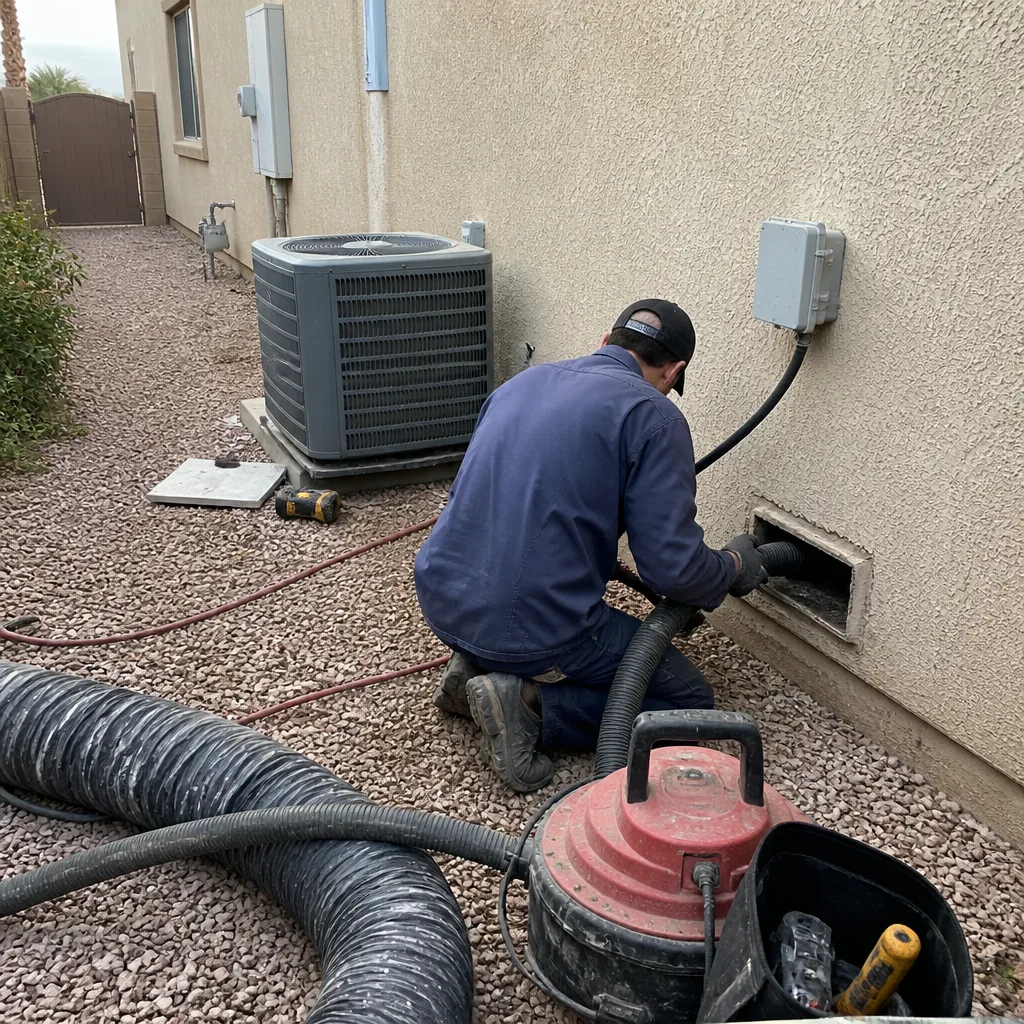 Before
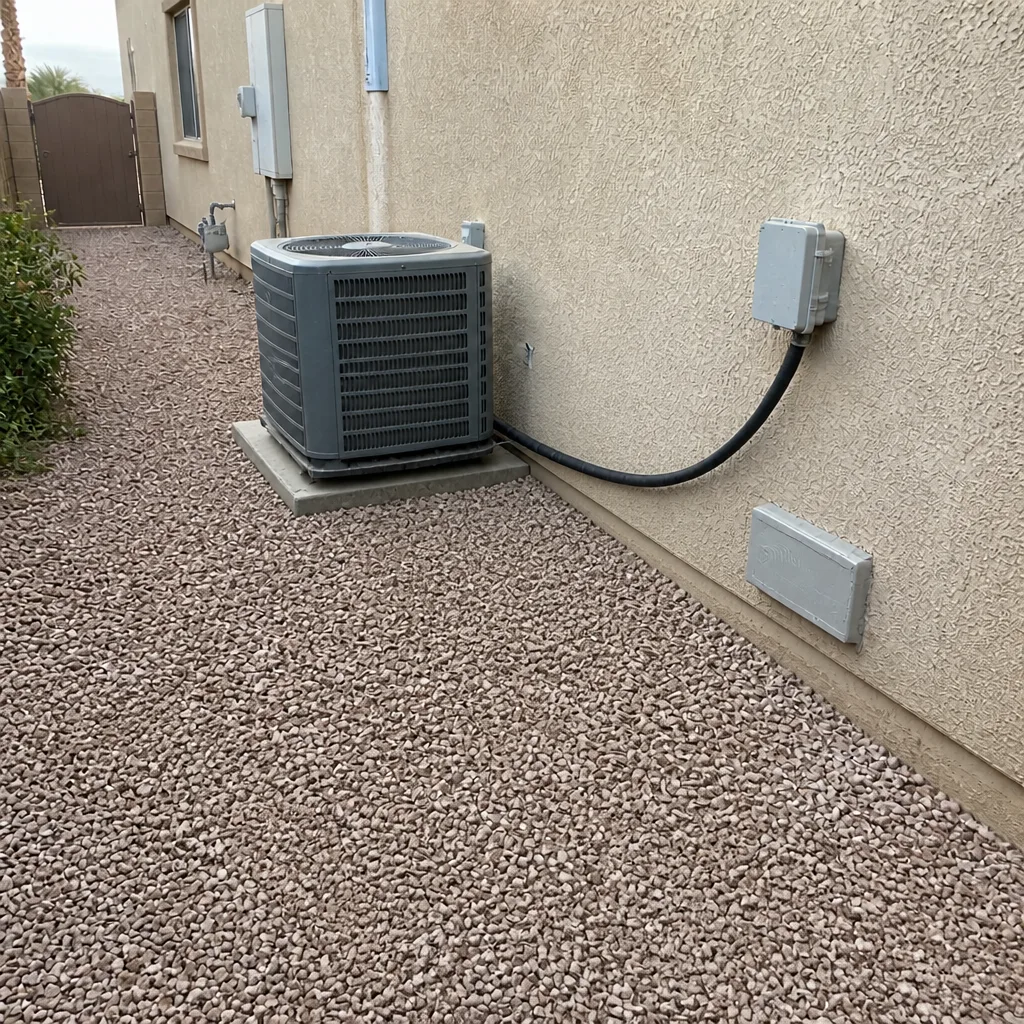 After
When to Call a Professional
Some post-event situations call for a professional response, no exceptions. Call us if any of the following happened in your St. George home: the system ran for more than a day during a regional wildfire smoke event, a haboob visibly loaded the interior of the home, a flash flood wetted any attic or crawlspace duct run, your filter came out black or heavily loaded after a storm, there’s any odor in the air from supply grilles, or you see or smell mold near the air handler or any duct surface. Also call if the system has been running on a full filter for weeks because the correct size wasn’t available. Each of these is a situation where blowing air through the system won’t fix the problem. Ironwood Air Duct Cleaning offers free estimates in St. George. Call (855) 419-9402 to schedule a post-event inspection. We answer 24/7. Fast dispatch from 7am to 7pm, Sunday through Friday.
Frequently Asked Questions
Yes, if your HVAC system ran for more than a day during the hazardous air quality period. Smoke particulate that enters the system through the return embeds in duct liner and off-gasses for months, even after outdoor air quality returns to normal. Schedule a full-system inspection and contact cleaning as soon as practical after the event clears.
Yes. Shut the system down before the dust wall arrives and seal any return grilles that face outdoor air. A standard filter won’t stop fine silica from a haboob, and running the system pulls more dust into the ductwork in a matter of minutes than it will filter in weeks. Restart only after the dust settles and the filter is replaced.
In St. George’s desert climate, wet duct liner in a hot attic or crawlspace can support mold colonization within a matter of days, not weeks. Stop running the system as soon as you suspect water intrusion, photograph the wet areas, and call for a professional assessment immediately. Do not run the system to dry it out.
MERV 11 to MERV 13 media filters offer the best fine-particulate protection for most residential systems without restricting airflow. A sealed filter frame or a media cabinet with an Aprilaire or Honeywell filter system catches significantly more than a standard 1-inch grille filter. Never upgrade to a higher MERV without confirming your blower’s airflow capacity.
Often yes, if the event is a covered loss, but only if you document the contamination before cleaning begins. Photograph return grilles, the filter, duct interior surfaces visible through openings, and any moisture damage. Pre- and post-cleaning air quality tests also strengthen a claim. Check your policy language and speak with your adjuster before any work begins.
Before-and-after photos of your own ductwork are the most direct evidence, which is why we document them on every job. A third-party air quality test comparing pre- and post-cleaning particulate levels gives you an independent reading. If a cleaner won’t provide either, that’s the sign to look elsewhere.
The Bottom Line
St. George’s wildfire smoke, desert dust storms, and flash flood risk each pose a specific threat to the duct systems in local homes, and the response to each one is different. The pattern is always the same: shut the system down before contamination enters, seal what you can, restart only after a filter change and a visual inspection, and call a professional if the system was loaded with smoke, dust, or moisture. Documentation before cleaning is what makes an insurance claim work. If you want a team that uses professional-grade Rotobrush contact cleaning, Nikro HEPA vacuum capture, and Abatement Technologies containment capability, that’s the work we do across St. George.
Call Ironwood Air Duct Cleaning at (855) 419-9402 for a free estimate on post-event inspection and full-system cleaning. We answer 24/7. Fast dispatch from 7am to 7pm, Sunday through Friday. From scheduled maintenance to emergency response, Ironwood Air Duct Cleaning covers the full duct system in St. George homes, so you don’t have to piece together the response yourself.
Written by the team at Ironwood Air Duct Cleaning.