
Last updated November 15, 2026
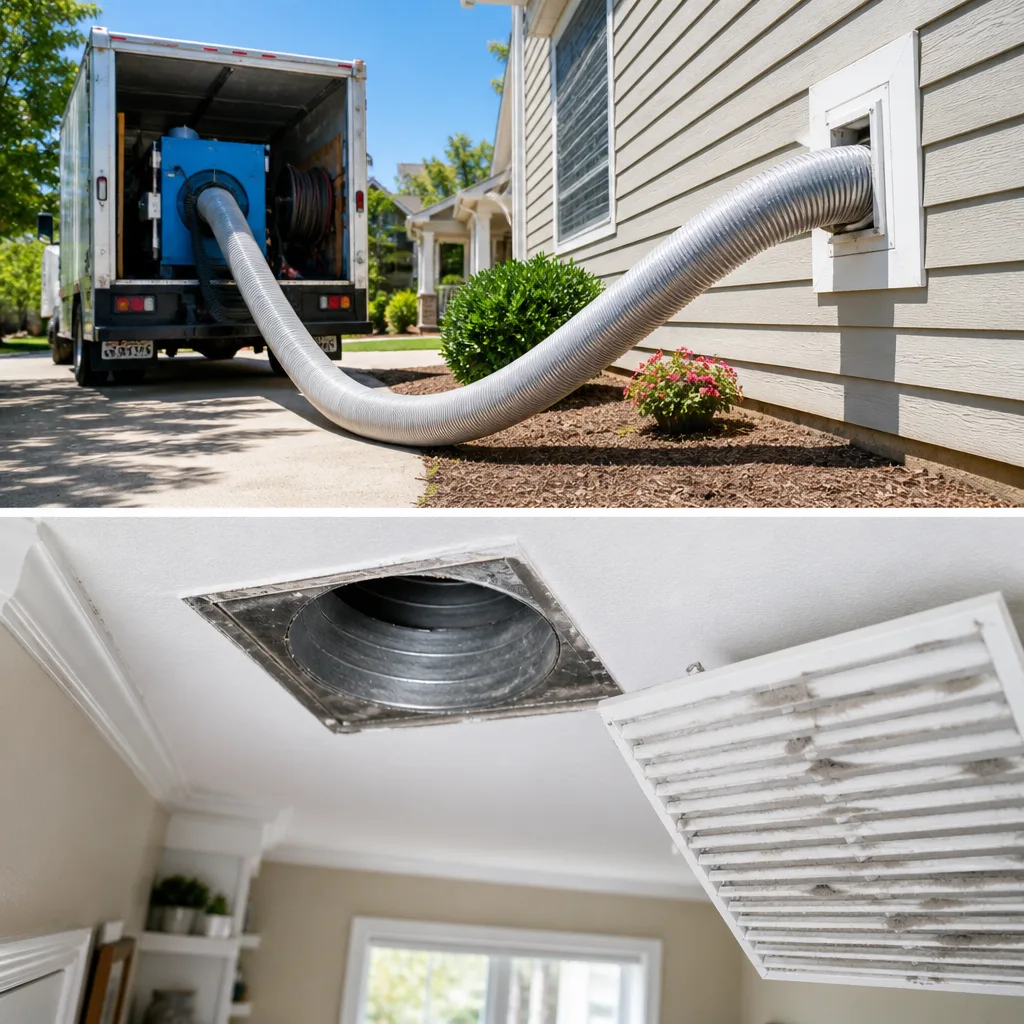 Whole-home duct cleaning
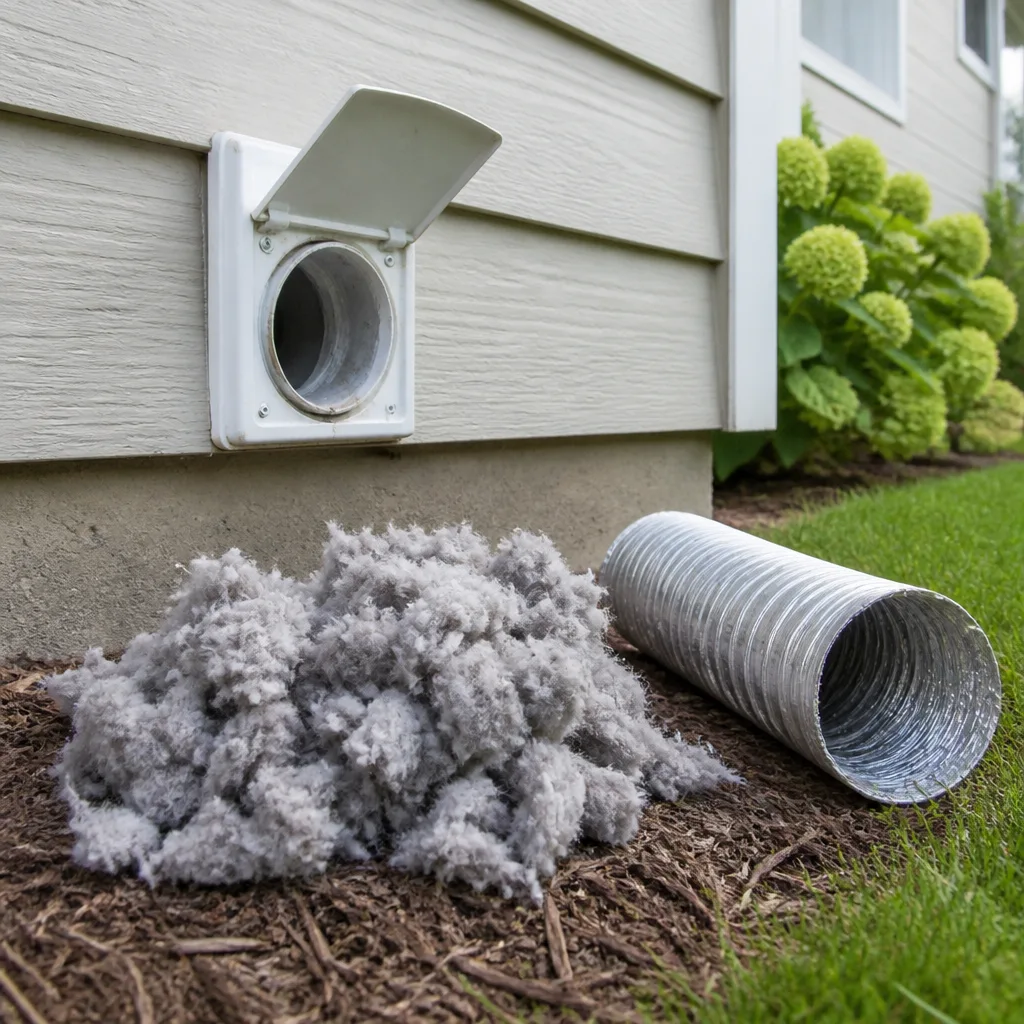 Dryer vent cleaning
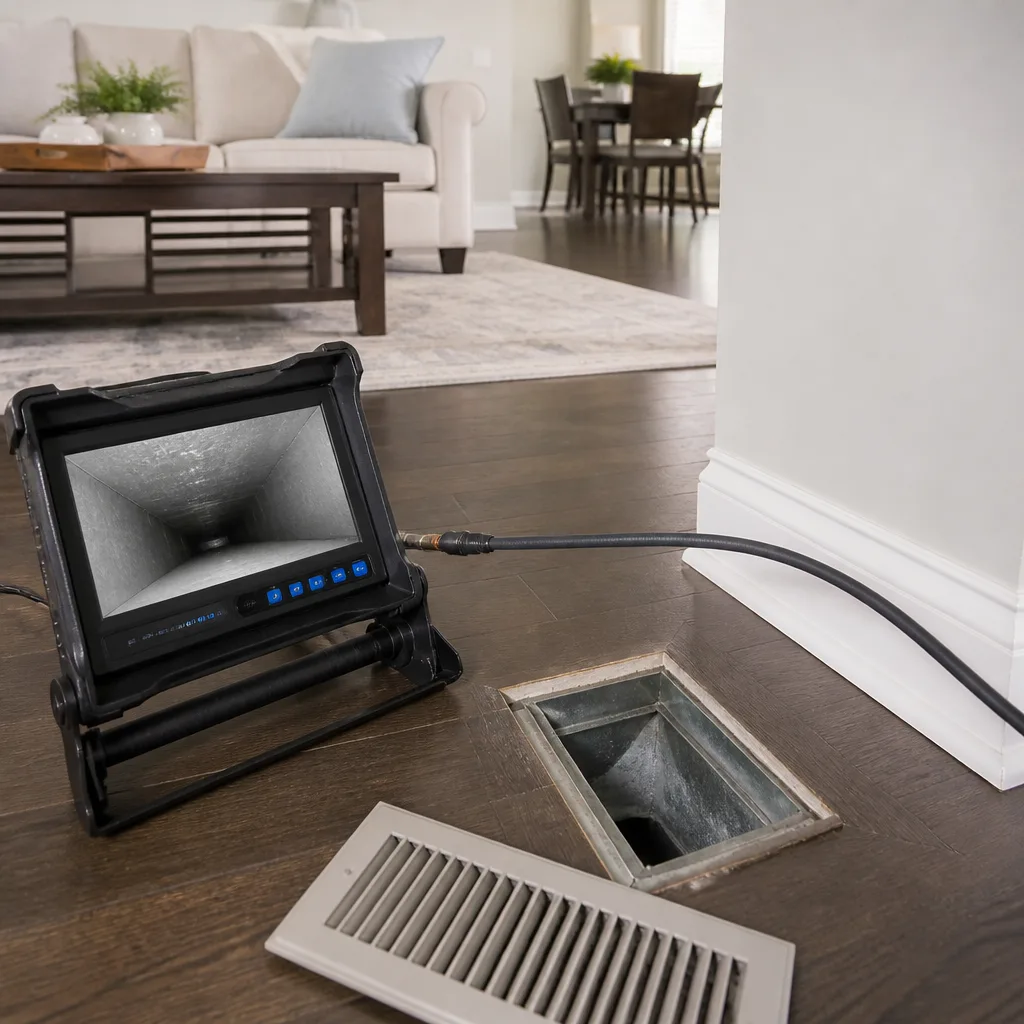 Camera inspection
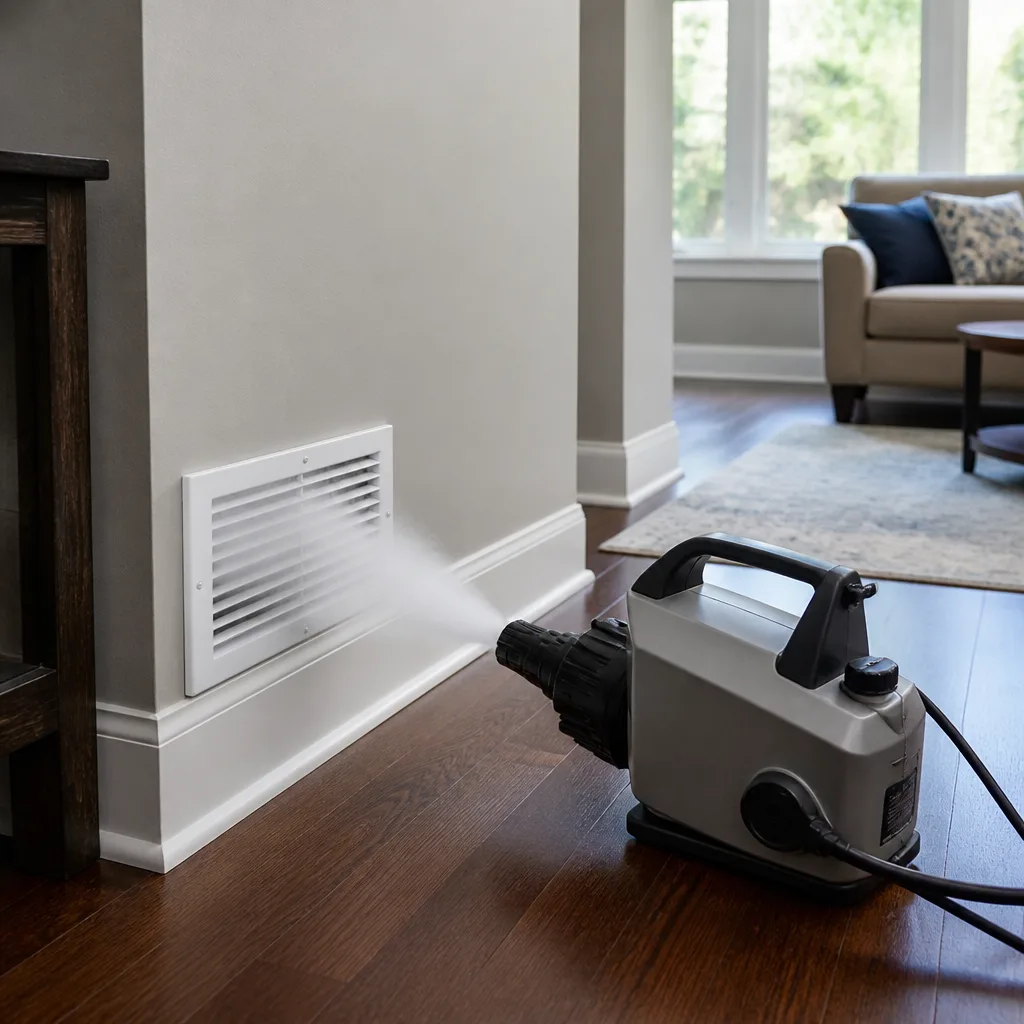 Sanitizing & deodorizing
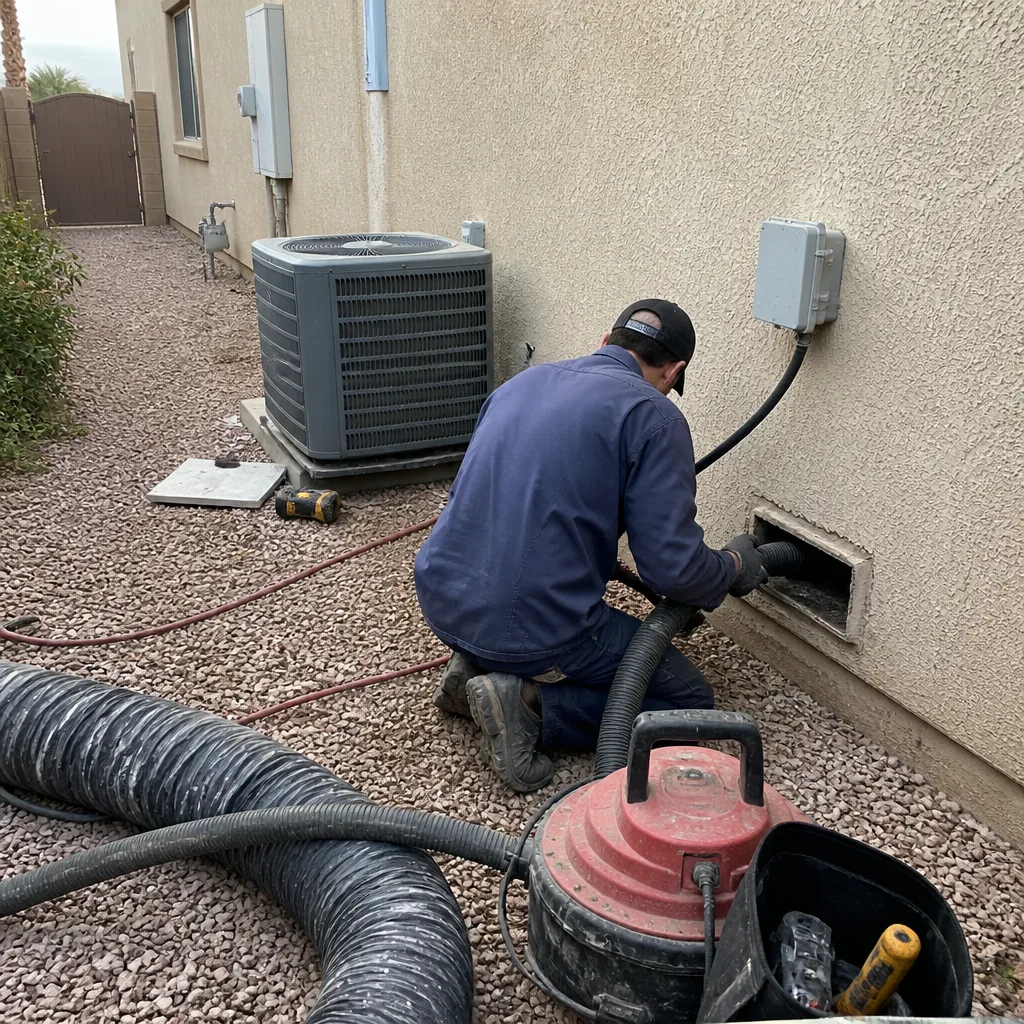
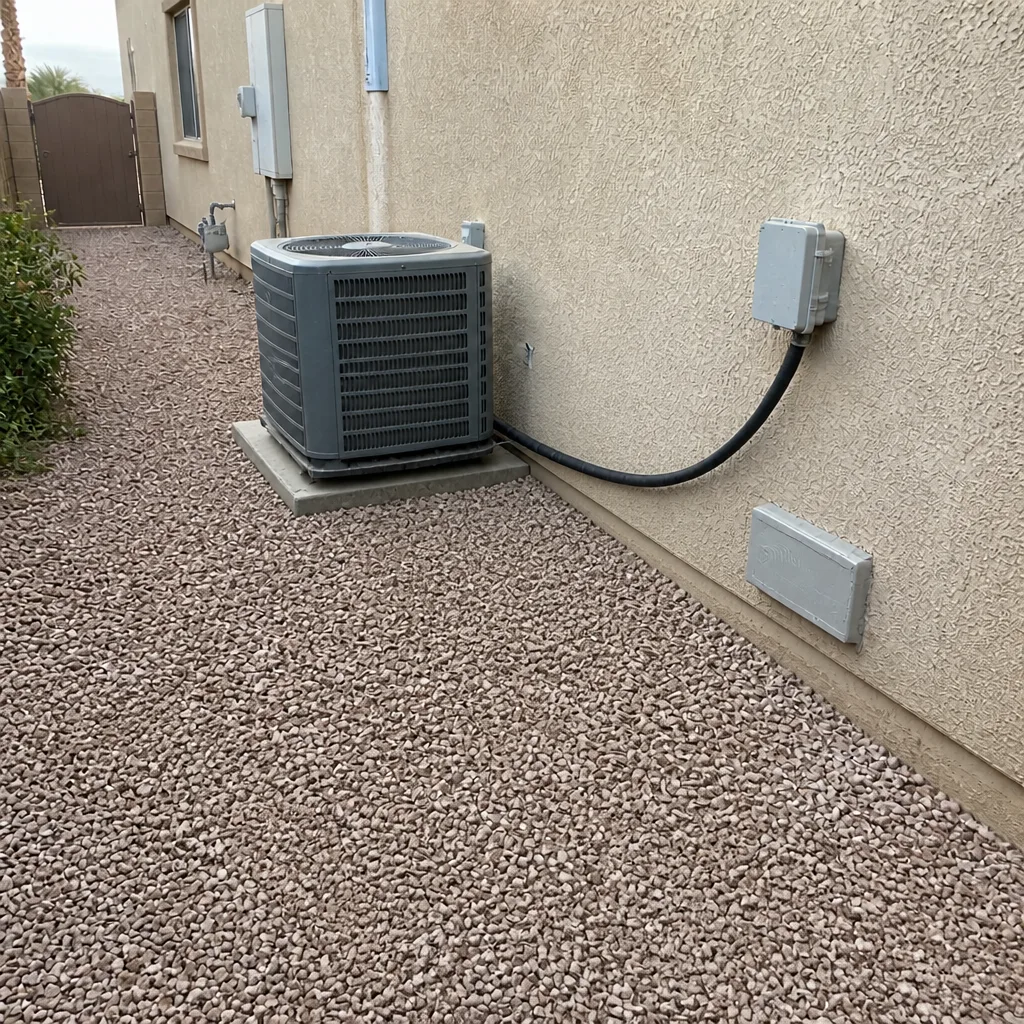
Whole-system duct and dryer vent check with before-and-after photos - you see exactly what came out of your vents
That "$99 whole-house special" is a bait ad - the real number appears once they are in your hallway, or the "clean" is a shop-vac at the register. We photograph the inside of your ducts before and after instead.
DIY vs Professional Air Duct Cleaning: The St. George Homeowner’s Decision Guide
A consumer-grade dryer vent brush and a shop vac pull roughly 90 CFM of suction. A professional truck-mounted collection unit pulls somewhere between 4,000 and 16,000 CFM. That gap is not a matter of brand preference or a sales pitch dressed up as science. It’s the difference between pulling debris out of your ducts and stirring it around inside them until it settles back down across every room. Most homeowners weigh this decision on price alone, and that’s exactly the wrong variable. What follows is the decision made on physics, equipment capability, and the specific realities of St. George housing.
Quick Answer
DIY air duct cleaning is worth doing only for the parts you can physically reach: surface register cleaning, clearing a short dryer vent run, and visual inspection. Anything past the first few feet of ductwork requires sustained negative pressure and rotating contact cleaning that consumer equipment cannot produce, and in some homes it makes contamination worse by redistributing fine particulate deeper into the system. If your ducts are contaminated past the register or you’re dealing with mold, rodent activity, or post-renovation debris, professional cleaning is the correct call.
Styles & brands we work with
- Whole-home duct cleaning
- Dryer vent cleaning
- Camera inspection
- Sanitizing & deodorizing
Table of Contents
- The CFM Math: Why Consumer Equipment Falls Short
- What DIY Actually Does Well
- When DIY Is the Wrong Tool: Contamination Scenarios
- The Access Port Question Nobody Explains
- An Honest Decision Framework for St. George Homes
- St. George Housing Types and What They Need
- How Professional Cleaning Actually Works, Step by Step
- Dryer Vent Cleaning: Where DIY Is Most Defensible
The CFM Math: Why Consumer Equipment Falls Short
CFM means cubic feet per minute, and it is the single number that determines whether a duct cleaning is real work or theater. Negative pressure creates the vacuum that captures dislodged debris, and the entire concept only functions when the suction is stronger than the tendency of dust to settle back into airflow. A shop vac or a consumer dryer vent brush runs at roughly 90 CFM. Professional equipment, properly set up, runs in the thousands.
Why does the gap matter so much for fine dust? Because the particles most likely to recirculate into your living space are the smallest ones. Larger debris falls out of the air stream and settles in the duct floor. Fine particulate does the opposite: it stays airborne, drifts, and travels. When it does that inside a residential duct system in a dry climate like St. George, it coats the interior surfaces and eventually finds its way into return air that flows through your HVAC equipment and back into the rooms you sleep in.
Here’s the rough comparison:
- Shop vac or consumer vent brush: ~90 CFM
- Truck-mounted collection unit: 4,000 – 16,000 CFM
- Contact cleaning tools: rotary brush on a flexible whip sized to the duct
- HEPA capture: Nikro HEPA vacuum systems for fine particulate
Consumer equipment can dislodge contamination. It cannot reliably remove it. That’s the entire argument in two lines. The dust gets loosened, the vacuum can’t finish the job, and the fine particulate resettles further down the branch. Call that DIY duct cleaning if you like, but it’s more accurately described as redistribution.
This is why our approach pairs a professional air duct cleaning run with equipment that was designed for the physical reality of a duct system. Contact cleaning through a rotating brush along with sustained HEPA vacuum pressure is not a premium add-on. It’s the baseline requirement for actual removal.
What DIY Actually Does Well
This guide is not here to talk you out of every tool in your garage. Several tasks in this trade are genuinely DIY-friendly, and knowing which ones saves you both money and frustration. We’d rather you do those well than pay for them.
Register and vent cover cleaning is the cleanest example. Pop the grille off, wash it in the sink, let it dry, reinstall. That removes the visible dust mat that most people are actually reacting to when they look up and decide “the ducts are dirty.” A soft brush and a couple minutes per register handle about 85% of what bothers the eye.
Clearing a short, straight dryer vent run is another reasonable DIY job. If the dryer vent exits the house at or below floor level and you can see clean through to the outside flap, a consumer dryer vent brush on a flexible rod will clear lint that has built up near the dryer. Tools worth having on hand:
- A dryer vent brush sized to your duct diameter
- A small flexible inspection camera or digital snake
- A shop vac with a crevice attachment for the lint box and the vent flap
- A screwdriver and foil tape for removing and resealing the vent cover
Visual inspection is the third legitimate task. Flashlight plus phone camera is enough to see what’s sitting at the bottom of the startup collar or the return drop. That inspection is valuable because it tells you whether a call is warranted. If you do nothing else, look. Whatever you find shapes the decision.
What doesn’t belong on the DIY list: cleaning behind the register into the branch duct, using a shop vac on a long whip inside the main trunk, or pulling loose insulation out of a flex run to see what’s behind it. Each of those tasks ends predictably.
When DIY Is the Wrong Tool: Contamination Scenarios
Some duct conditions are well past the point where a homeowner with a shop vac should be involved, and not because the equipment is limited. Because the contamination itself changes the game. Four scenarios come up in St. George homes more often than the rest.
1. Active mold growth
Mold needs moisture to establish, and St. George stays dry, but it also happens. A saturated evaporative cooler, a leaking supply line in the slab, a bathroom fan venting into the attic instead of outside – all of these can create enough persistent moisture inside a duct system to support mold. Fine mold spores dislodged without adequate capture will spread through the house. That is the scenario where DIY becomes a health risk, not just a waste of an afternoon.
2. Rodent activity
Rodents nest in ductwork that has been left accessible through a failed crawlspace or attic screen. Nesting material, droppings, and urine contamination carry real health risks, and they require more than suction. The affected sections need containment-level handling, and the entry points need closure or the problem returns with the next cold snap.
3. Construction debris and post-renovation cleaning
Drywall dust, joint compound, sawdust, and insulation particles from a remodel move through the duct system and lodge in it. This is one of the most common reasons for a duct cleaning call in St. George, where new construction and remodel activity are steady. Drywall dust is fine, abrasive, and ends up inside the air handler blower and the evaporator coil if it isn’t removed. A shop vac will stir it; a high-CFM truck unit will pull it. There’s no middle option.
4. Fire and smoke residue
Even a small smoke event leaves acidic residue on duct interiors that continues to corrode metal over time. This is an abatement-level scenario, not a maintenance cleaning. Equipment capability matters here in a way that’s hard to overstate, which is why working with companies that operate equipment like Abatement Technologies systems makes the difference between a cleaning and a proper remediation.
If any of those four describe your situation, the decision is made. Call. Cleaning is not the DIY call at that point.
The Access Port Question Nobody Explains
Here’s the part most DIY articles skip: to clean a duct system properly, you have to be able to reach into the trunk and the major branches. Consumers can’t get there with a register brush. Which is why professional cleaning involves cutting small access ports into the side of the duct, inserting the cleaning tool and the vacuum through them, and sealing each port when the job is finished.
Ports are typically created:
- At the farthest end of each long branch run
- Near the air handler on the supply and return plenums
- At points where the duct changes direction by more than 90 degrees
- Where two branches meet, so both can be cleaned from one opening
Properly cut and sealed, ports are invisible after the job. They cause no measurable effect on airflow or pressure balance. What they enable, however, is the entire cleaning operation. Without access, the “cleaning” happens only at the tips of the system where you could have reached anyway. That is the reason DIY duct cleaning cannot clean a full system, no matter how much equipment the homeowner buys.
If you’ve heard a service pitch that claimed “we clean without cutting anything,” that’s another way of saying the ducts weren’t fully cleaned. It’s worth knowing which one you’re being sold.
An Honest Decision Framework for St. George Homes
Clean or not clean is not the real question. The real question is whether your specific system and situation warrant it, and if so, whether a DIY pass gets you there. Use the following questions in order. If you answer “no” to the first one, stop. If you answer “no” to the second, DIY is worth a shot. If you answer “yes” to any of the four contamination scenarios above, call.
- Is there visible contamination past the register? Look into the branch ducts with a flashlight. Dark buildup on more than a few inches of visible duct surface is the trigger.
- Have you had a renovation, rodent problem, or moisture event? If yes, that’s not a maintenance cleaning situation.
- Has the system been cleaned in the last 5-7 years? Homes with pets, smokers, allergy sufferers, or heavy dust accumulation should lean shorter on the interval.
- Are you seeing symptoms? Increased dust on surfaces, allergy irritation that eases when away from the house, or musty smells when the system first starts. Symptoms are the most honest indicator.
- Does the system have flex duct in a hot attic or a complex layout? Flex duct flexes, kinks, and sags as it ages; a full-system cleaning can identify sections that have collapsed or disconnected.
Budget is the last piece, not the first. A professional cleaning priced per system is often less than most homeowners assume because the alternative they imagine (multiple truck visits) isn’t the actual scope. Every estimate we write is per-system and free, so the number is known before a technician ever unloads a tool.
St. George Housing Types and What They Need
Duct systems in St. George vary dramatically by the age and style of the home, and the variation matters more than most homeowners realize. A system in a 1990s subdivision off Dixie Drive has almost nothing in common with the ductwork in a downtown historic bungalow or a newer construction build out toward Little Valley.
Newer construction (last 20 years)
Newer builds typically use flex duct in the attic, which performs well when installed correctly but is vulnerable to kinking, sagging, and rodent access through attic penetrations. Fine silica particulate from desert dust and construction-era drywall dust are the most common contaminants. A full-system cleaning every several years plus a visual inspection after any remodel is the sensible baseline.
Mid-century homes near downtown St. George and Bloomington
Older homes often have rigid sheet metal trunk lines that hold up better over time but accumulate decades of settled dust. The more important risk in these homes is disconnected or deteriorating duct joints: sections that have separated at a connection or been crushed by later remodels. Cleaning alone won’t fix a disconnected duct; repair is required. That’s why we treat air duct repair as a core service alongside cleaning.
Evaporative cooler homes
Some St. George homes still run a swamp cooler for part of the cooling season. These systems push large volumes of outdoor air through the ductwork and carry fine dust with them, especially in spring. Duct cleaning in these homes is less about dust buildup inside the home and more about what the outside air is depositing each season.
Rental properties and multi-unit
Landlords and property managers tend to book duct cleaning between tenants, and the priority list shifts toward documenting the cleaning and capturing before-and-after photos of the duct interiors. Photos of the actual ducts (not a stock image) are the standard for proof that the work was done.
How Professional Cleaning Actually Works, Step by Step
A properly done air duct cleaning in St. George runs a predictable sequence. The equipment varies by company, but the method doesn’t. Here’s what a professional visit involves from start to finish, so you know what to expect when you hire.
- Inspection first. The technician inspects the air handler, the plenums, and a representative sample of branches to identify contamination type and any disconnected or damaged sections.
- Setup and containment. The truck-mounted collection unit is connected to the main trunk via a sealed access port. HEPA vacuum capability handles fine particulate that would overload a shop vac.
- Contact cleaning. A rotary brush on a flexible whip, sized to each duct’s diameter, runs the length of every branch and the trunk. The brush loosens debris; the vacuum pulls it out. Rotobrush contact-cleaning systems are the tool this work is typically done with, because “air washing” without contact does very little.
- Access port sealing. Every port cut into the duct is sealed with foil tape or a mechanical cap. Ports disappear into the system.
- Component cleaning. The blower wheel, the evaporator coil face, and the condensate pan are cleaned where accessible. Those parts matter as much as the ducts themselves.
- Before-and-after documentation. Photos of the duct interiors at the same angles before and after. Homeowners who’ve seen how varied equipment quality is in this trade want the evidence, and they’re right to.
- Repair recommendations where needed. Disconnected joints, crushed sections, and mold-affected flex runs get flagged before the technician leaves. A cleaning that ignores a disconnected duct isn’t finished.
Bedrooms, common areas, and the return drop all receive the same treatment. There’s no per-vent upcharge in a properly priced duct cleaning; the whole system is the unit of work, and the price is set per system by written estimate before any work begins.
If your system also includes a filter and IAQ setup, the technician should be able to talk through Honeywell or Aprilaire filtration products sensibly. If the cleaning visit ends without a conversation about filtration, that’s a missed opportunity, because the filter is doing half the ongoing work.
Dryer Vent Cleaning: Where DIY Is Most Defensible
Dryer vents are the one place in the duct world where a homeowner can genuinely help themselves, at least for the first several feet. A consumer dryer vent brush on a flexible rod, a shop vac, and 20 minutes near the dryer will clear the lint buildup that accumulates in the inside run. If your vent exits through a wall within 8-10 feet of the dryer and you can see the outside flap open freely, that’s a legitimate DIY job.
Where it stops being legitimate: long vent runs, vents that route through the attic or roof, vents with multiple 90-degree elbows, and anything where you cannot confirm the vent flap on the outside opens fully when the dryer runs. Lint builds up at each turn, and a brush that reaches 10 feet won’t reach 30. Every year, dryer vent fires account for a real share of home fire incidents, and the cause is almost always the inaccessible part of a vent that hadn’t been properly cleaned. Dryer vent fire safety is the frame for this service, not just lint removal.
We include dryer vent cleaning in our service range specifically because most HVAC-only cleaners treat it as an add-on or skip it entirely. It’s a fire safety task first and a maintenance task second, and it deserves that framing.
Common Mistakes to Avoid
- Using a shop vac as a duct cleaning machine. A shop vac cannot generate enough negative pressure to capture fine particulate; running it inside a duct system without containment can push dust deeper toward the air handler. If you’re going to DIY at all, limit the shop vac to the register grille and the lint box.
- Believing a “no-cutting, no-mess” pitch. Proper duct cleaning requires access ports. Any company claiming otherwise is cleaning the tips only.
- Letting a remodel wrap up without a duct cleaning. Drywall dust is fine, abrasive, and ends up inside the blower. St. George sees plenty of remodeling, and this is a predictable miss. Clean once the dust has settled.
- Skipping the visual inspection. A flashlight and phone camera shot down the register is the cheapest, most useful thing you can do. It tells you whether cleaning is needed and what kind.
- Ignoring disconnected or crushed ducts. Cleaning a disconnected duct doesn’t fix anything, and the dust builds right back. Repair has to happen alongside the cleaning, not after.
- Judging by price alone. The lowest-bid cleaning is almost always the lowest-equipment cleaning. The difference you’re paying for is CFM and method, and those determine what actually leaves the system.
- Forgetting the dryer vent. Many homeowners book a duct cleaning and never think about the vent behind the dryer. It’s the same category of problem with a higher safety stake.
See the difference
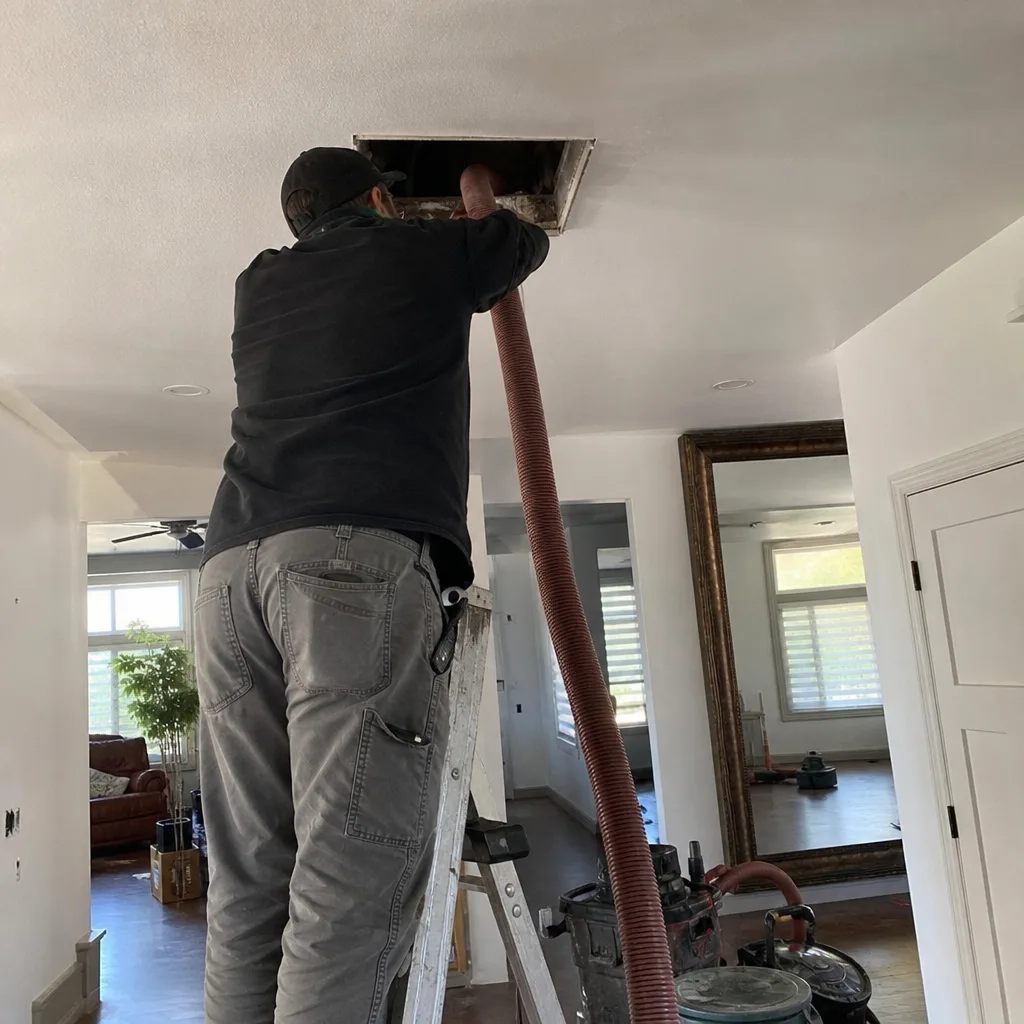 Before
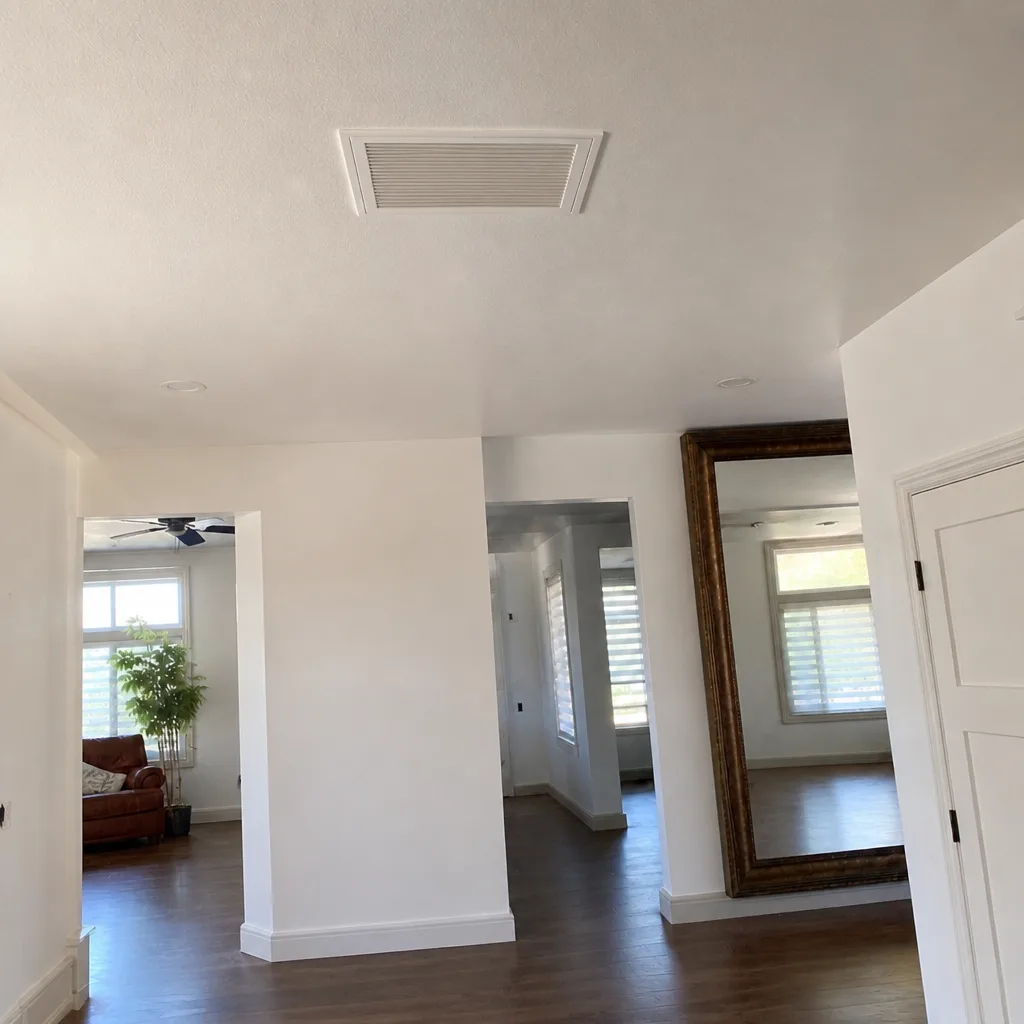 After
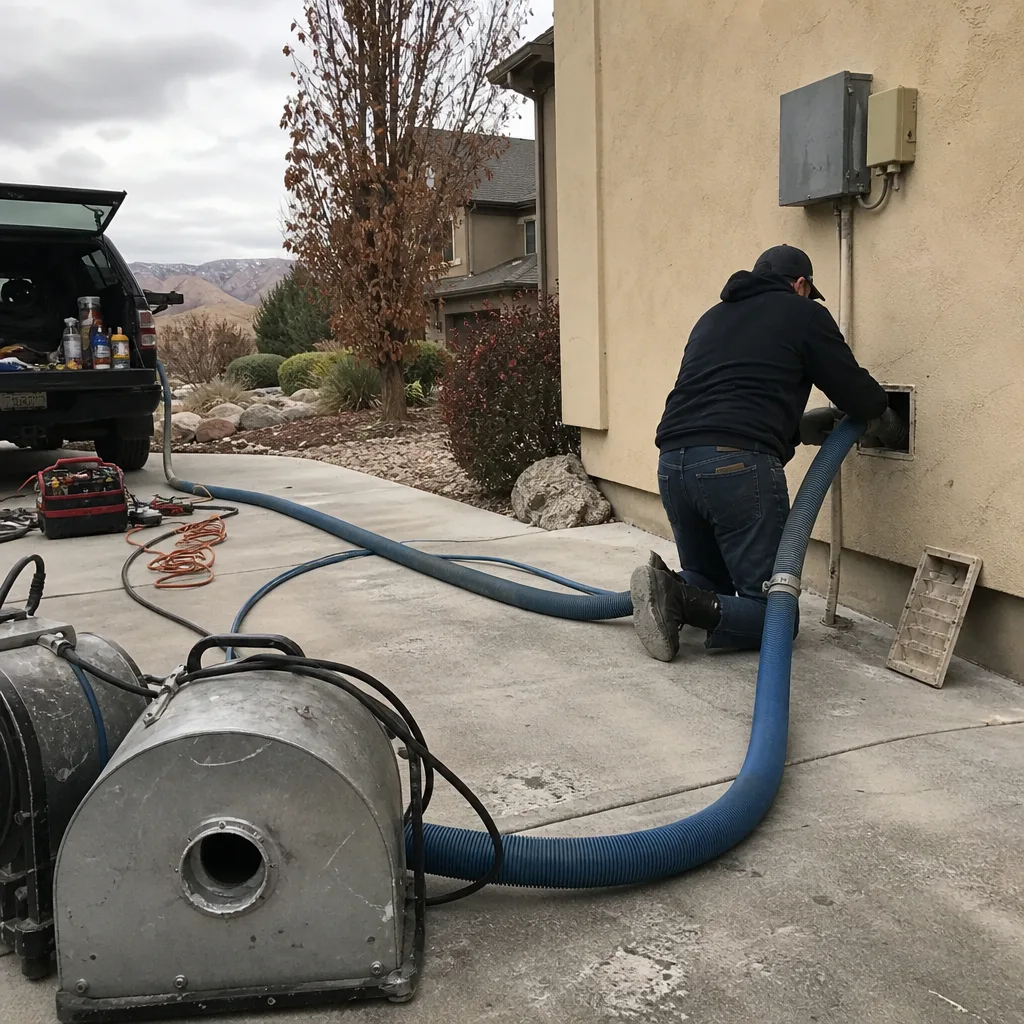 Before
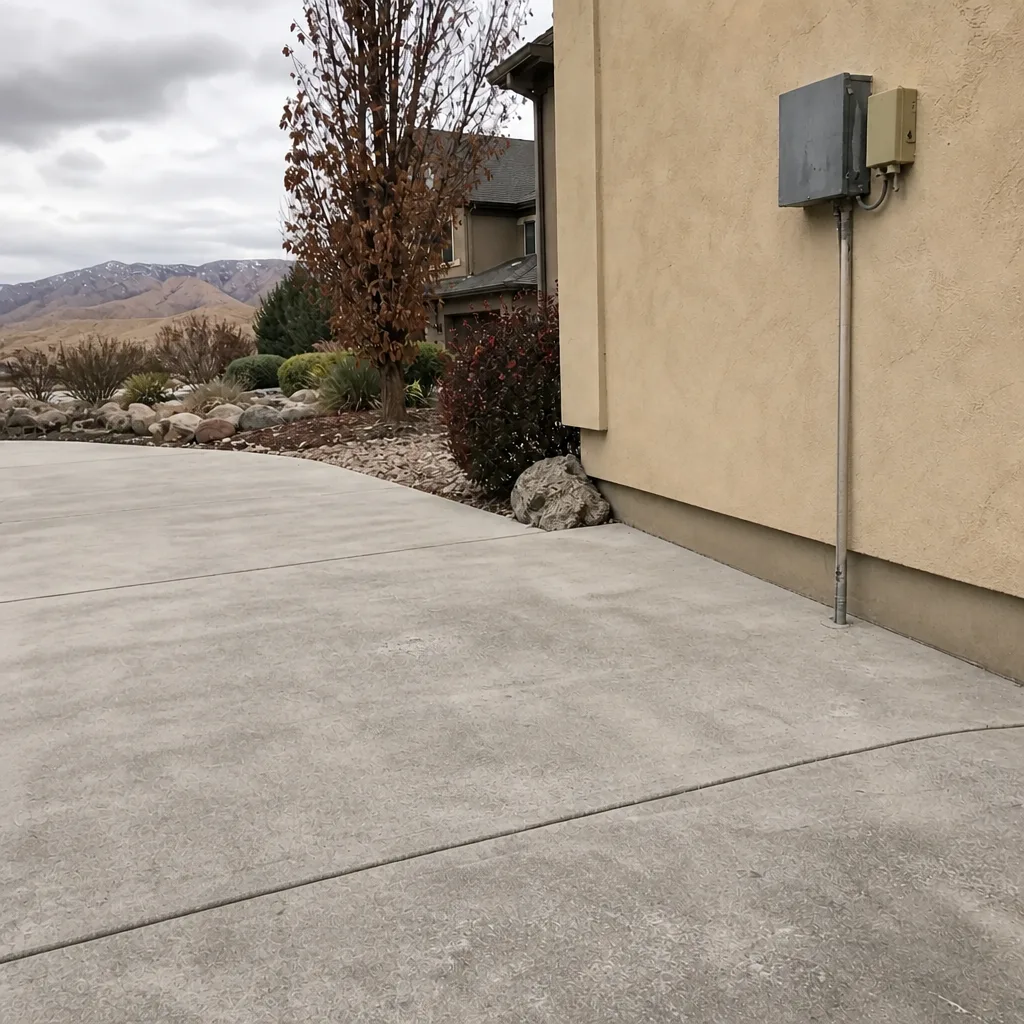 After
 Before
 After
When to Call a Professional
Call for professional cleaning if any of the following apply: visible contamination past the register into the branch duct, a recent remodel, active moisture or musty smells from the system, rodent activity, a disconnected or crushed duct discovered during inspection, or a multi-level system in a home over 15 years old. Call for dryer vent cleaning if the vent run is long, routes through the attic or roof, or the outside flap doesn’t swing freely. Call for repair when a duct section is separated, crushed, or torn.
Our technicians have up to 10 years of experience with the equipment and the local systems, and every estimate is free and per-system. We’ll tell you honestly if cleaning isn’t warranted and DIY will suffice, because the whole point of the decision framework above is that this isn’t a service every home needs every year. For the St. George area, Ironwood Air Duct Cleaning offers free estimates – call (855) 419-9402 to book one.
Frequently Asked Questions
A whole-house air duct cleaning is priced per system by a free written estimate, and the final price depends on the layout, the number of branches, and whether any repair work is included. There is no per-vent price and no coupon teaser drawn to bring down the upfront number. Call (855) 419-9402 for an exact quote – estimates are free.
The cheapest quotes almost always reflect the lowest equipment: consumer-grade blowers set up without access ports, which isn’t full-system cleaning. Real cleaning requires sustained negative pressure (4,000+ CFM) and contact cleaning with a rotary brush. Two quotes a factor of three apart are not the same job. Call (855) 419-9402 for an honest per-system quote.
Ask for before-and-after photos of your own ducts, at the same angles, taken by the technician. Photos are the standard evidence. If a company won’t provide them, you don’t have proof. When we clean ducts, that documentation is part of the visit. Call (855) 419-9402 to schedule a free estimate.
Every 3-5 years is a reasonable interval for most St. George homes, and shorter if there are pets, allergy sufferers, a recent remodel, or fine dust issues that keep recurring. Homes with regular evaporative cooler use are often on the shorter end because the cooler pulls outdoor dust through the system. Call (855) 419-9402 for a free inspection-based recommendation.
Yes, for register cleaning, short dryer vent clearing, and visual inspection. Those tasks are genuinely worthwhile with the right consumer tools. What doesn’t work DIY is cleaning past the register into the branches; the equipment can’t produce the pressure needed. Call (855) 419-9402 if you want to know what the inspection turns up.
Yes. A shop vac lacks the negative pressure to contain fine particulate, and using it inside the duct system can push dust deeper toward the air handler and blower. It can also crush or distort flex duct if the pressure is misapplied. Stick to the register grilles and the lint box. Call (855) 419-9402 for anything past that.
The Bottom Line
DIY air duct cleaning has a real but narrow scope: register cleaning, short dryer vent runs, and inspection. Everything past that requires 4,000+ CFM of sustained pressure, contact cleaning through a rotary brush, and access ports cut into the duct system. Without those, “cleaning” is really redistribution, and in a dry climate like St. George with fine silica particulate, redistribution is worse than no cleaning at all. The decision comes down to where the contamination actually lives. If it’s on the surface of the registers, DIY it. If it’s inside the system, hire the equipment. If there’s a remodel, a moisture event, or a rodent problem, hire it and get it done properly. Honest per-system pricing and before-and-after photos are what to ask for, from anyone.
For a free estimate in St. George, call (855) 419-9402. We answer 24/7. Fast dispatch from 7am to 7pm, Sunday through Friday. Ironwood Air Duct Cleaning covers air duct cleaning, dryer vent cleaning, and air duct repair across the St. George area, using Rotobrush contact-cleaning systems, Nikro HEPA vacuums, and Abatement Technologies equipment where contamination demands it.
Written by the team at Ironwood Air Duct Cleaning.