
Last updated November 15, 2026
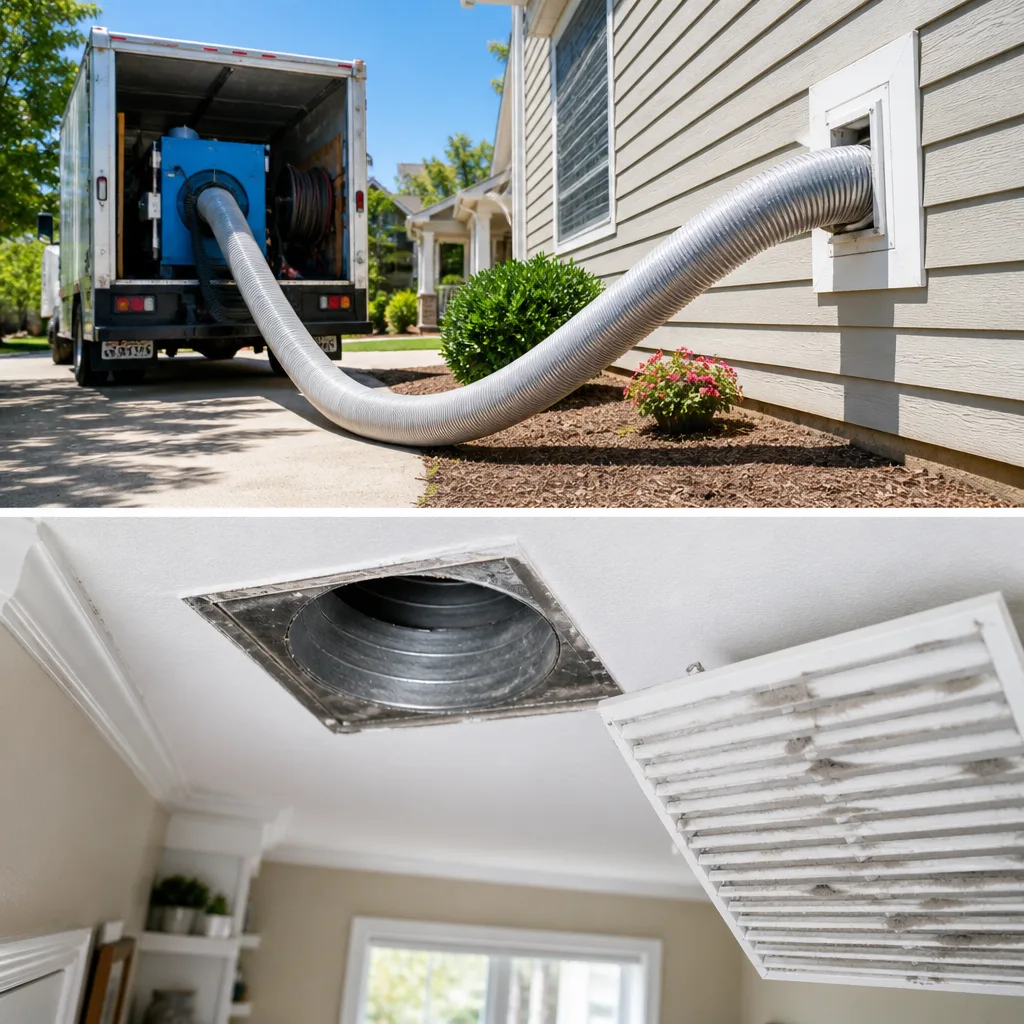 Whole-home duct cleaning
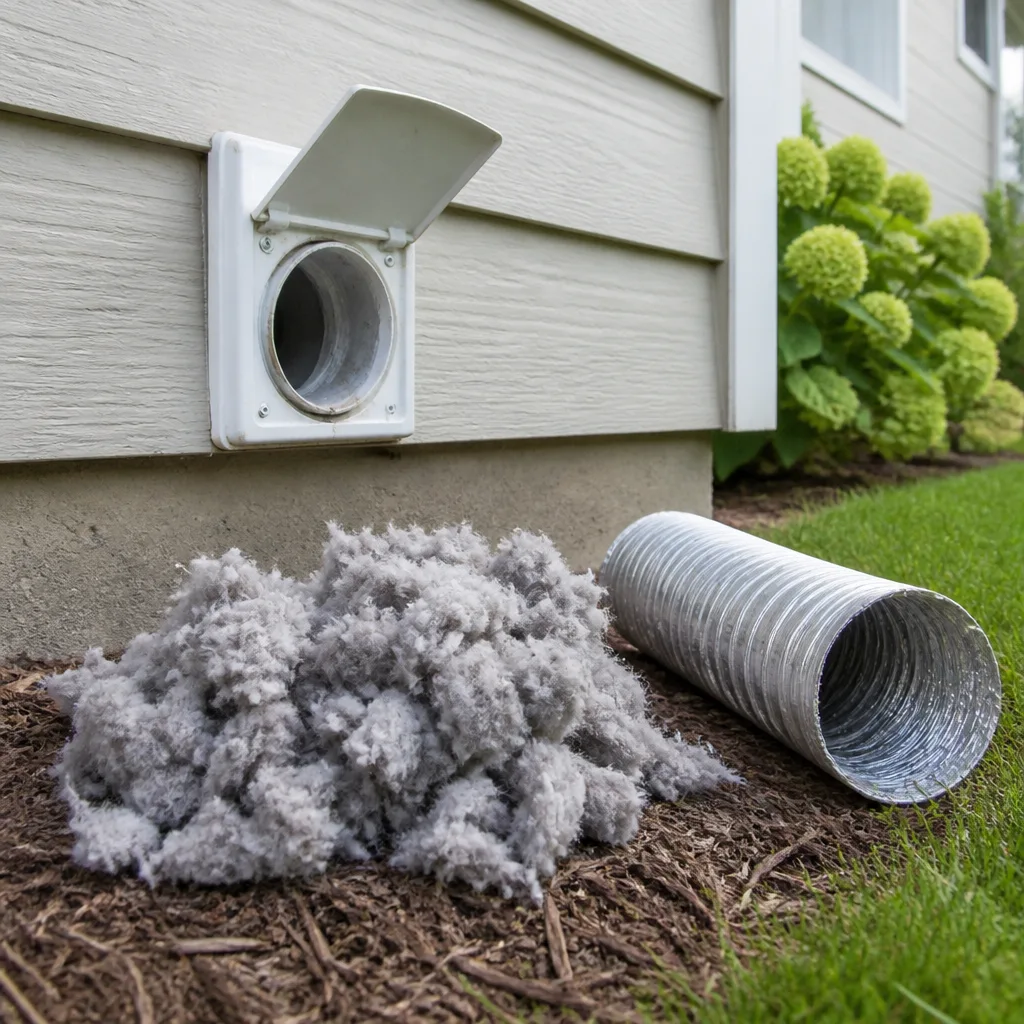 Dryer vent cleaning
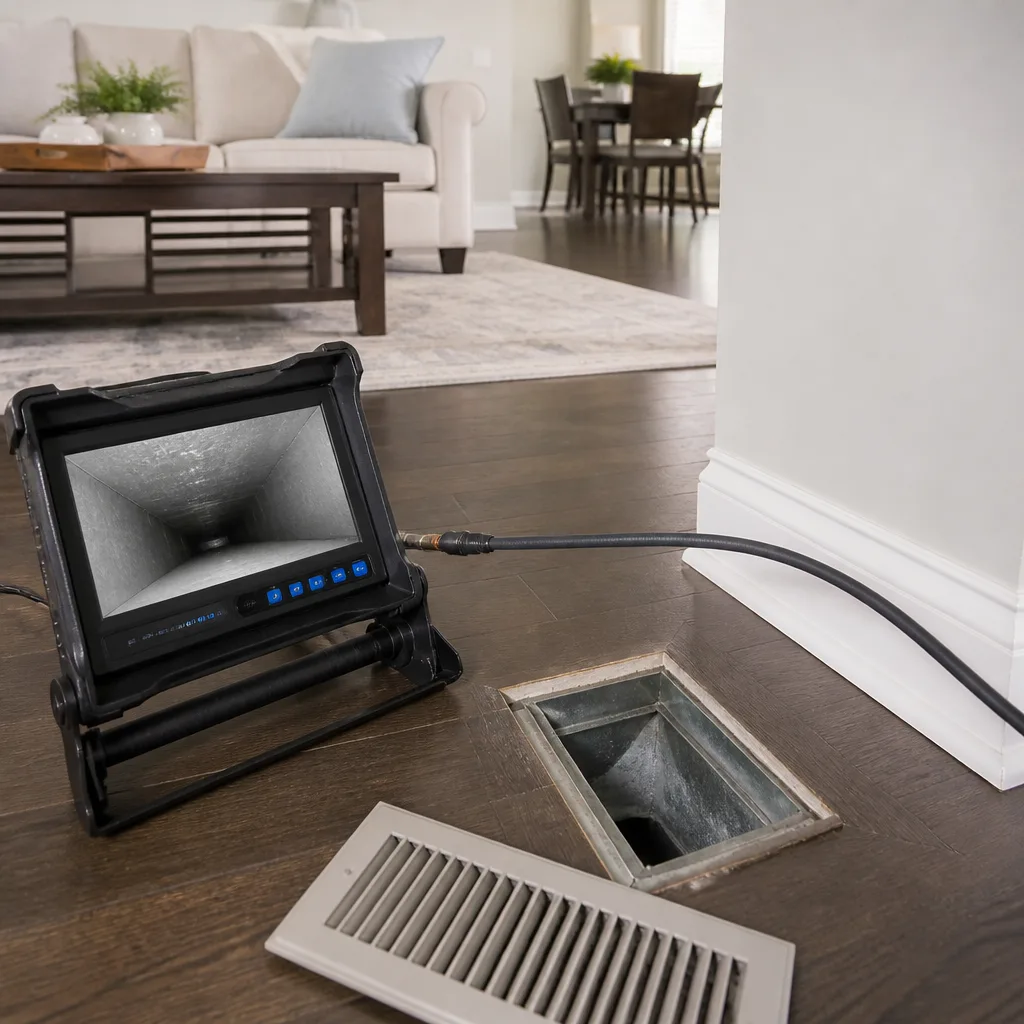 Camera inspection
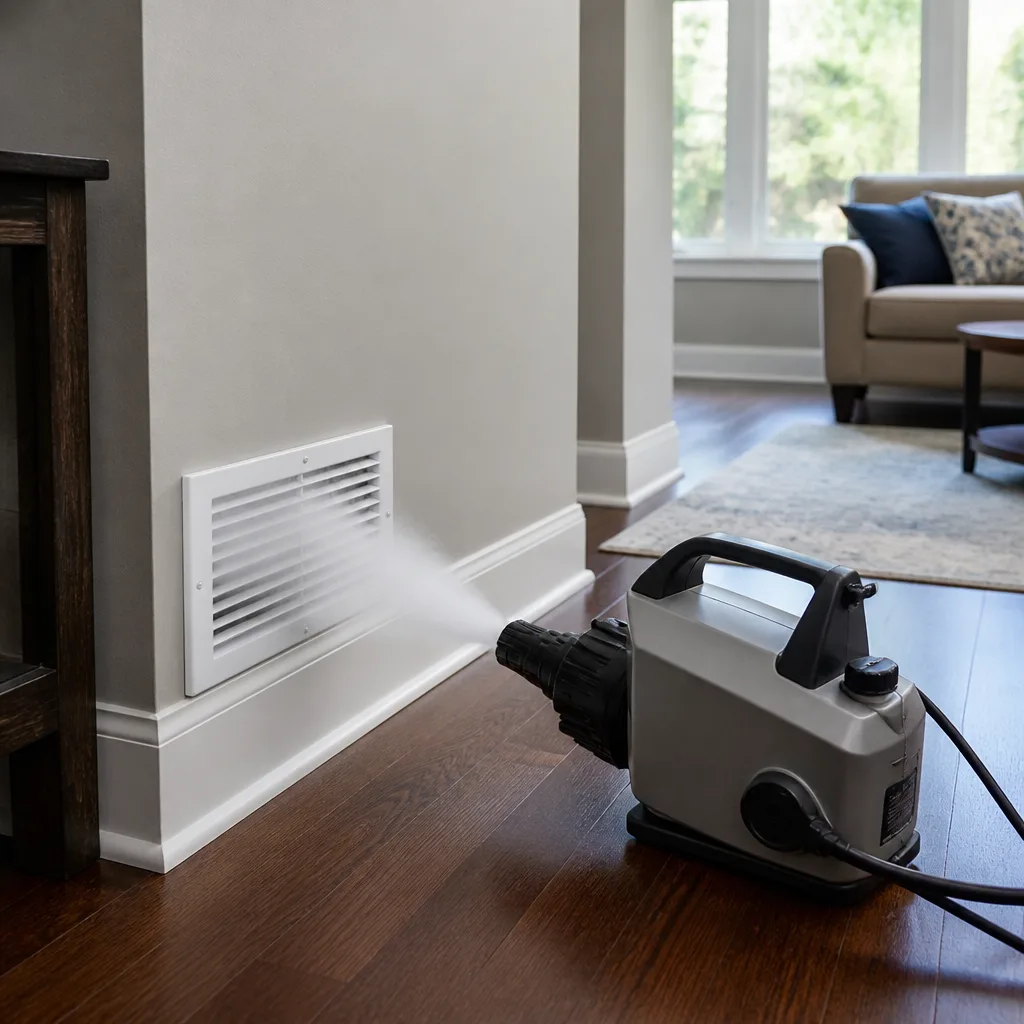 Sanitizing & deodorizing
Whole-system duct and dryer vent check with before-and-after photos - you see exactly what came out of your vents
That "$99 whole-house special" is a bait ad - the real number appears once they are in your hallway, or the "clean" is a shop-vac at the register. We photograph the inside of your ducts before and after instead.
Air Duct Cleaning Cost Breakdown: The St. George Homeowner’s Reference for 2026
Here’s the uncomfortable truth about duct cleaning quotes in St. George: a $99 whole-home cleaning and a $600 full-system cleaning aren’t the same job with different profit margins. They’re different scopes of work done with different equipment, and one of them physically cannot meet professional standards at that price. When a quote sounds too good to be true, it usually reflects a blower-and-vacuum pass, not the contact cleaning and HEPA capture a legitimate job requires. This guide breaks down exactly what each price tier buys, line by line, so you can compare quotes on scope instead of sticker price and make a decision you won’t regret.
Quick Answer
Air duct cleaning in St. George typically runs $300 to $600 for a standard whole-home system in 2026, with basic single-system cleanings starting around $250 to $300 and larger or heavily contaminated systems reaching $600 to $900 or more. Anything advertised at $99 to $149 almost always covers a limited scope using portable equipment: a vacuum pass and light surface dust removal, not full contact cleaning of every run. The written estimate should set the final price before any work begins.
Styles & brands we work with
- Whole-home duct cleaning
- Dryer vent cleaning
- Camera inspection
- Sanitizing & deodorizing
Table of Contents
- Why duct cleaning prices vary so much in St. George
- The line-item cost breakdown: where your money goes
- Truck-mounted negative pressure vs. portable units
- The three St. George price tiers, decoded
- Add-on services: when they’re worth it and when they’re upsells
- Total cost of ownership in St. George’s climate
- Common mistakes to avoid
- Frequently asked questions
Why duct cleaning prices vary so much in St. George
Duct cleaning quotes in St. George can span from under $100 to over $900 for what sounds like the same service. The gap isn’t random. It reflects real differences in equipment, labor time, access work, and how much of your system actually gets cleaned. A company running a portable shop vacuum with a brush attachment can finish a house in under an hour. A company using a Rotobrush contact-cleaning system paired with a Nikro HEPA vacuum is looking at several hours of careful work per home, plus setup and containment. Those aren’t comparable products, even if the invoices use the same words.
St. George makes this harder to sort out than most markets. The area has grown fast, which means a wide mix of housing stock: older single-story homes with short, simple duct runs, newer construction in the master-planned developments out toward Washington Fields side, and rental properties that have cycled through multiple tenants without a duct cleaning in between. Each of those has a different cost profile. A ranch home with eight supply registers takes less time than a two-story with twenty, and a system full of construction debris from a recent remodel takes longer still.
Then there’s the low-bid problem. Companies advertising $99 to $149 for whole-home cleaning are usually pricing a service that doesn’t include full contact cleaning of every branch. The economics simply don’t work otherwise: proper equipment operation, access port materials, and disposal all cost money before a single technician touches your system. We’ve seen plenty of homeowners in St. George pay twice, once for the cheap cleaning and again for the real one once they realize nothing changed.
If you’re researching the broader service first, our guide to air duct cleaning walks through what the process involves end to end. But if price is your sticking point, stay here. The rest of this page is about the numbers.
The line-item cost breakdown: where your money goes
Most homeowners have never seen a duct cleaning invoice broken into its components, which is why quotes feel like black boxes. Here’s what actually drives the price of a legitimate full-system cleaning in St. George, from the largest cost down.
1. Labor time
This is the biggest line item, and it varies more than anything else on the invoice. A standard single-family home in St. George typically takes a professional crew two to four hours for a full-system cleaning. That includes setting up containment, removing and cleaning every register cover, running a contact-cleaning tool through each supply and return branch, cleaning the main trunk line, and reassembling and testing the system. Larger homes, two-story layouts, and systems with long or awkward runs push that higher.
2. Equipment operation
Professional-grade equipment costs real money to run and maintain. A Rotobrush contact-cleaning system uses rotary brush heads that physically scrub the inside of the duct wall while a vacuum pulls material out. A Nikro HEPA vacuum captures fine particulate so it doesn’t recirculate into the living space. Both require investment, maintenance, and trained operators. That cost is baked into every job price, and it should be, because it’s what separates a cleaning from a dust shuffle.
3. Access port materials
To clean ductwork properly, technicians usually need to cut access ports into the duct system at strategic points. Standard light-gauge ducting accepts these ports well, but not every system is standard. Flexible duct, insulated runs, and systems tucked into tight attic or crawl spaces take more effort and sometimes specialty fittings to close cleanly afterward. The materials themselves are modest; the labor to place and seal them properly is not.
4. Disposal
Everything pulled out of your ducts has to go somewhere. That means sealed collection bags, transportation, and proper disposal. On a heavily soiled system, the volume can be substantial. It’s a small line item on the invoice but a real one.
5. Repair and remediation (variable)
If the inspection turns up disconnected ductwork, crushed flex runs, or tears, that’s a separate scope and a separate cost. We handle duct repair as a core service rather than an add-on, which is one reason we encourage homeowners to get an inspection before assuming a cleaning alone will fix their airflow problems. Cleaning a system with a disconnected run just means cleaning around the problem. Our Ironwood Air Duct Cleaning overview explains how cleaning and repair fit together in a single visit.
- Labor: Usually the largest share, scaled to system size and run count.
- Equipment: Rotary contact tools and HEPA capture, priced into every legitimate job.
- Access work: Cutting, fitting, and sealing ports cleanly.
- Disposal: Contained removal of everything extracted.
- Repair: Quoted separately if problems are found.
Truck-mounted negative pressure vs. portable units
Two cleanings can look identical on paper and be fundamentally different in the field, and equipment is usually the reason. The question worth asking any duct cleaner in St. George is simple: what happens to the dust once it’s dislodged? If the answer is anything other than “it gets captured and removed from the home,” the cleaning is only moving dirt around.
What truck-mounted negative pressure does
A truck-mounted negative pressure system pulls the entire duct system into a state of negative pressure while cleaning happens. That means air, dust, and debris flow toward the collection unit instead of out into the room. Combined with a contact tool like Rotobrush, the brush loosens material from the duct wall while the pressure pulls it away. On a properly sealed system, the result is a genuinely clean duct interior, not a freshly disturbed dust layer.
What portable units do (and don’t do)
Portable units are not useless. Many are perfectly good for light cleaning and for smaller scale work. The gap shows up when the system is long, the contamination is heavy, or you’re trying to clean an entire house efficiently. Portable equipment usually lacks the sustained suction to keep a large multi-branch system under negative pressure throughout the job, and without HEPA-grade filtration, fine particulate can be released back into the air the whole time. That’s why the operators we most respect pair portable-grade convenience with HEPA capture technology like Nikro rather than cutting corners on filtration.
Why the price difference is real
A truck-mounted negative pressure setup has significant capital cost and operating cost, and the proper way to run it takes more time per job. Nobody can offer that service at $99. It’s not a marketing tactic to say so. It’s arithmetic. When a quote is dramatically lower than the market, the equipment is usually where the saving came from.
Our own approach uses Rotobrush contact cleaning paired with Nikro HEPA vacuum systems, and we bring Abatement Technologies capability for the jobs that need containment-level handling. That equipment lineup is why a cleaning we perform on a St. George home takes the time it does.
The three St. George price tiers, decoded
Here’s what you’re actually getting at each price point in the St. George market, described honestly and without sugarcoating. These are typical estimate ranges, and the written estimate sets the final price.
Tier 1: $150 to $300
This band usually covers a basic single-system cleaning. Expect a limited scope: vacuuming the main trunk and visible branches, cleaning the register covers, and a light pass through the supply runs. If a portable unit with basic filtration is doing the work, that’s what this range supports. It’s a reasonable choice if your system is small and lightly soiled and you just want routine debris removed. It is not a full contact cleaning of every run, and it will not fix a disconnected duct or clear ten years of buildup. Under $150, be skeptical: at that price, in St. George, there’s almost nothing in the budget for proper equipment or full-system coverage.
Tier 2: $300 to $600
This is the realistic price band for a legitimate full-system cleaning in most St. George homes. Expect contact cleaning of every supply and return, cleaning of the main trunk, register cover removal and cleaning, HEPA capture throughout, access port work, and full reassembly. The job takes a few hours, not a few minutes. For most homeowners and rental property managers around St. George, this tier is where proper value lives. If a company quotes in this range and can tell you exactly what equipment they use, that’s a strong sign.
Tier 3: $600 and up
Above $600, you’re paying for complexity: larger homes, multiple systems, heavily contaminated ductwork, difficult access, or cleaning that comes bundled with repair and remediation. Systems with disconnected runs, crushed flex duct, or contamination that warrants containment-level handling fall here. For a home in the St. George area with more than one HVAC system, or a rental that has been through a lot of turnover, this tier is reasonable. For a small single-story home with light cleaning needs, it’s more than necessary.
| Price tier | Typical scope | Equipment typical at this tier |
|---|---|---|
| $150 – $300 | Basic single-system cleaning, main trunk and visible branches, register covers | Portable vacuum, limited filtration |
| $300 – $600 | Full contact cleaning of all supplies and returns, access ports, HEPA capture, reassembly | Rotobrush-type contact tools + HEPA vacuum |
| $600+ | Multi-system, heavy contamination, difficult access, repair or containment work | Professional contact tools + HEPA + containment capability |
Use these ranges to sanity-check any quote you receive. If a St. George quote falls well outside them without a clear explanation, ask why in plain terms. The answer tells you everything.
Add-on services: when they’re worth it and when they’re upsells
The base cleaning price is only part of the story. Most duct cleaning invoices in St. George include optional add-ons, and it’s worth knowing which ones are genuinely useful and which are padding the total. None of these should ever be pushed before the technician has actually inspected your system.
Sanitizing: worth it in specific cases
Sanitizing means applying a product that reduces microbial growth inside the ductwork after cleaning. It’s worth considering when there’s visible mold or significant biological growth, when a system has sat unused for a long stretch, or when occupants have specific respiratory concerns and the inspection confirms a reason to treat. It’s not worth adding to every cleaning as a matter of routine. A clean, dry, well-ventilated system usually doesn’t need it, and any company applying sanitizer to every job without inspecting first is upselling.
UV treatment: only if the system supports it
UV systems are aimed at surface microbial growth on the coil or in specific segments of the air handler. They’re a legitimate consideration when there’s a persistent moisture or contamination issue the air handler can’t shed on its own. They are not a substitute for cleaning, and they do nothing for a system that’s simply dusty. If a company pitches a UV treatment before cleaning, that’s the wrong order of operations.
Duct sealing: often the most valuable add-on
Duct sealing addresses leaks at joints and seams, and in our experience it’s the add-on most likely to pay for itself. Leaks let conditioned air escape into crawl spaces and attics, which drives up HVAC run time and makes the whole system work harder. If an inspection finds meaningful leakage, sealing is worth the extra cost. In St. George’s climate, where the system is running hard for a large part of the year, that matters for the utility bill too.
Filtration upgrades: worth discussing
If there’s a reason to upgrade filtration, we can talk knowledgeably about options from lines like Honeywell and Aprilaire. Where those upgrades fit depends on your system and your concerns. We recommend them when the current setup is under-matched to the home, not as a default sale.
One useful rule: any add-on recommendation should be tied to something the technician observed during the inspection. Ask them to show you what they found. A good technician will.
Total cost of ownership in St. George’s climate
The sticker price of a duct cleaning isn’t the whole picture. What matters more is what that cleaning does to the cost of running your home over the following years. In St. George, that math gets interesting fast.
This is a high-use climate. HVAC systems here run a long stretch of the year through the hot months, cooling the house daily in a way that lighter climates simply don’t require. Every bit of airflow restriction in a duct system adds up: a system working 15% harder because of a leaky or clogged duct run uses measurably more energy, cycles more often, and wears out sooner. Properly cleaned and sealed ducts reduce that hidden tax and give the system a fighting chance.
Here’s how total cost of ownership breaks down over a typical cleaning cycle:
- Upfront cleaning cost: $300 to $600 for most St. George homes in the realistic tier.
- Sealing if needed: adds to the upfront cost but reduces ongoing energy waste.
- Ongoing energy: a clean, sealed system runs closer to its rated efficiency, which means lower utility spend during the hot season.
- Equipment longevity: a system that isn’t straining against restricted airflow tends to last longer before major repairs or replacement.
- Avoided repairs: catching disconnected duct or crushed runs during cleaning means fixing them before they cause a bigger airflow problem.
The frame worth keeping in mind: a $99 cleaning that leaves your system unchanged is expensive, and a $500 full-system cleaning that improves efficiency is cheap. The number on the invoice is the smallest part of the calculation.
How to compare duct cleaning quotes in St. George
The most useful skill for a St. George homeowner researching this service is comparing quotes side by side on scope, not price. Most quotes sound the same because most companies use the same language. The questions below cut through that.
- What equipment will you use? Ask for the brand. Rotobrush, Nikro, and Abatement Technologies are names worth recognizing; if a company can’t name their equipment, that’s information.
- Does the price cover all supply and return runs? If the answer is “the main system” or “visible ducts,” clarify. Full-system coverage should be stated plainly.
- Will you use a HEPA vacuum throughout? HEPA capture keeps the dust from recirculating while cleaning happens. Without it, you may be breathing the dislodged material.
- How many access ports will you cut, and how will they be sealed afterward? Clean port work that’s properly sealed matters for the system afterward.
- Is repair quoted separately, and will you check for disconnected runs? A cleaning that ignores a disconnected duct isn’t doing you any favors.
- Will I get before-and-after photos? Any professional company should be able to show you the duct interior before and after the work, and photos of your own system, not stock images.
- Is the quote in writing, and does the price change once you’re on-site? The written estimate should set the final price. If the number moves after the technician arrives, walk.
That last one is where the industry’s bait-and-switch reputation comes from. A coupon price becomes a much larger invoice once the technician is on-site and the homeowner feels locked in. We don’t play that game. One flat price per system, agreed before work starts, no per-vent pricing.
See the difference
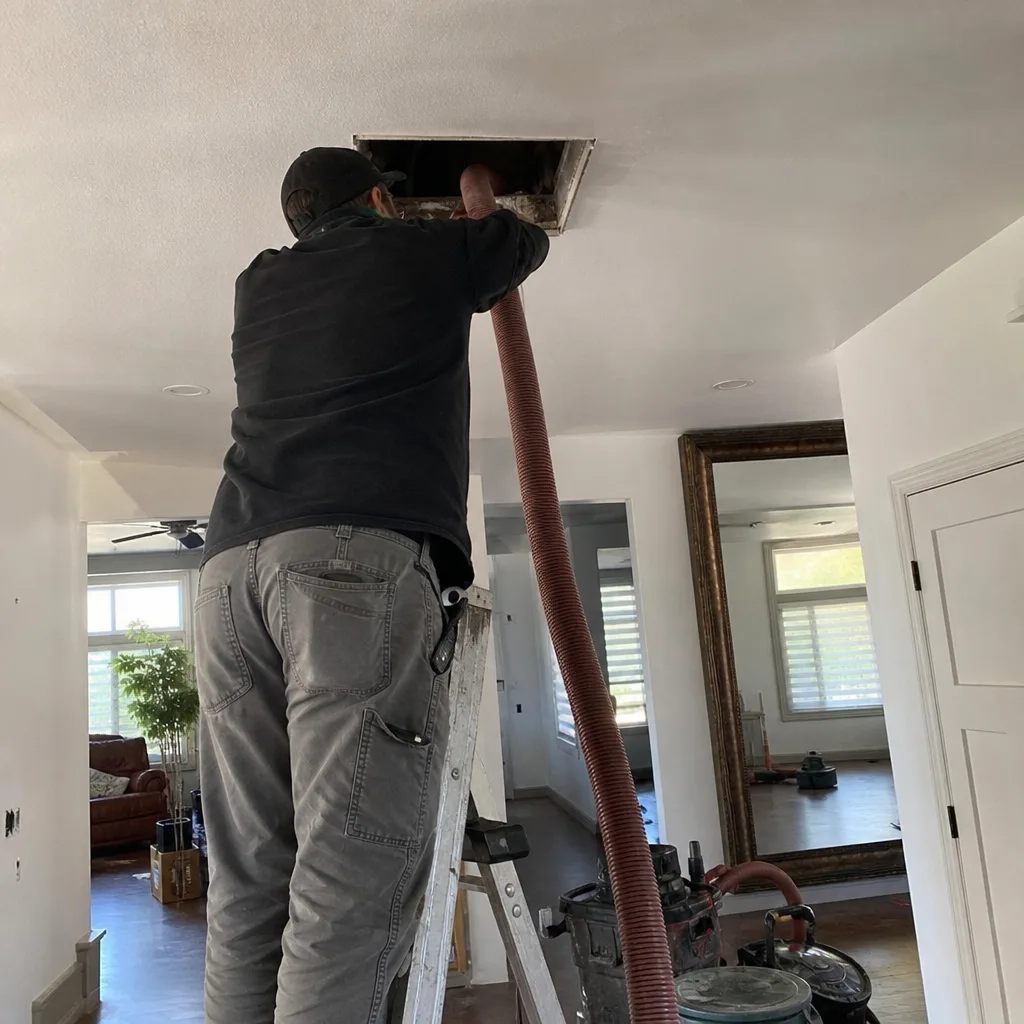 Before
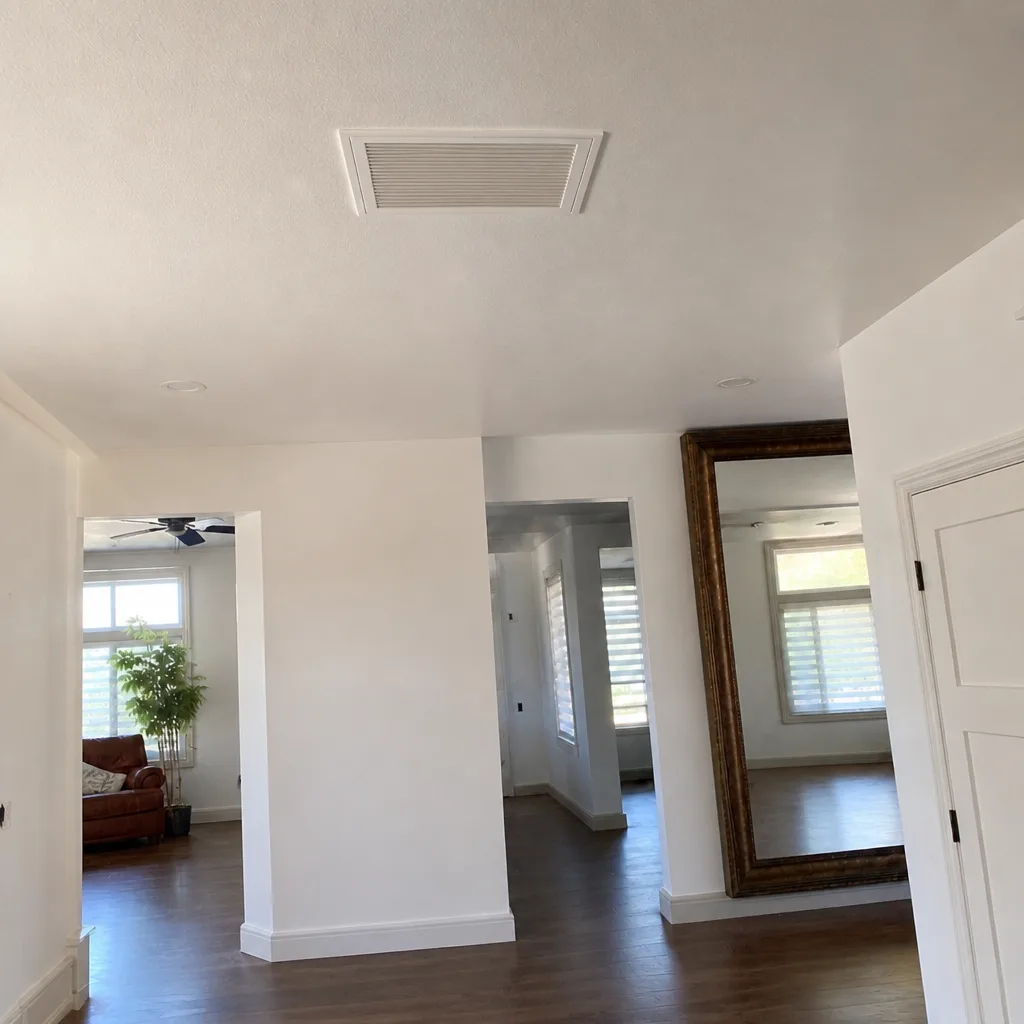 After
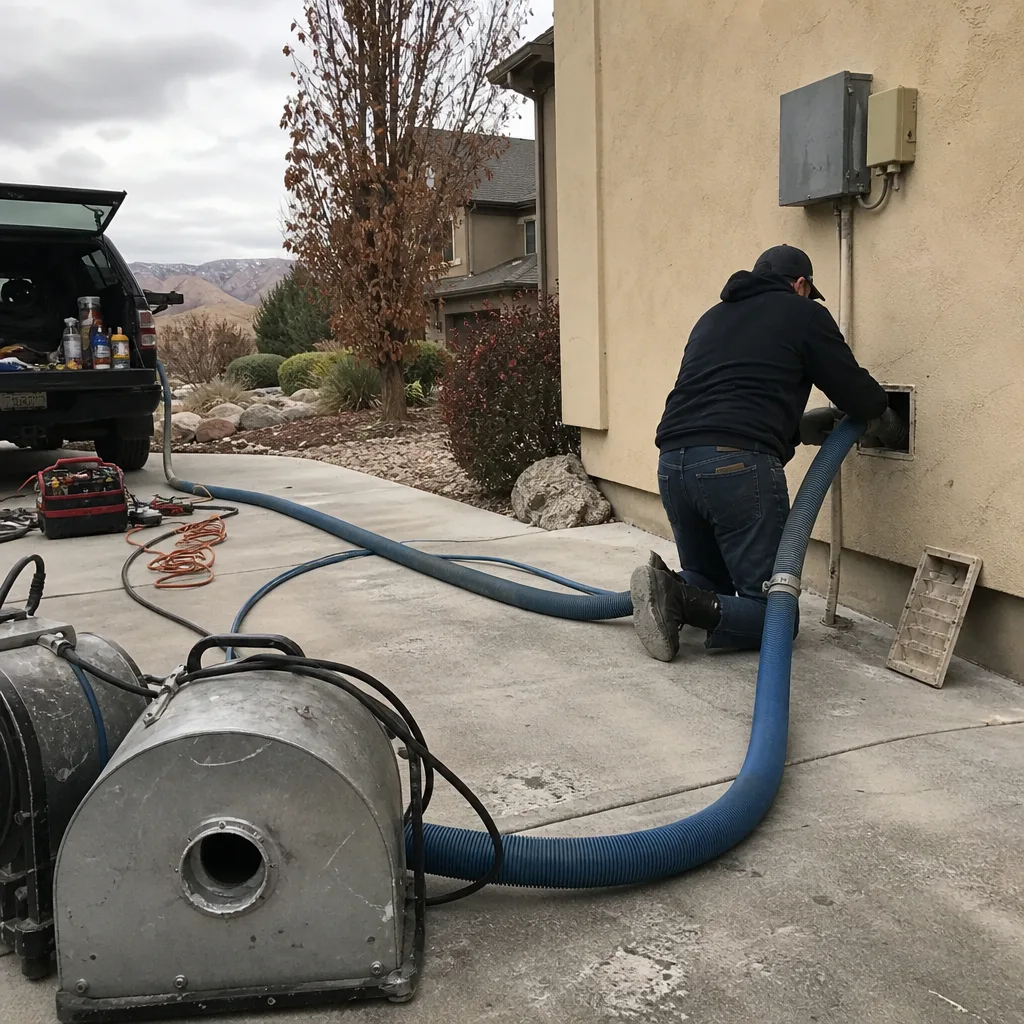 Before
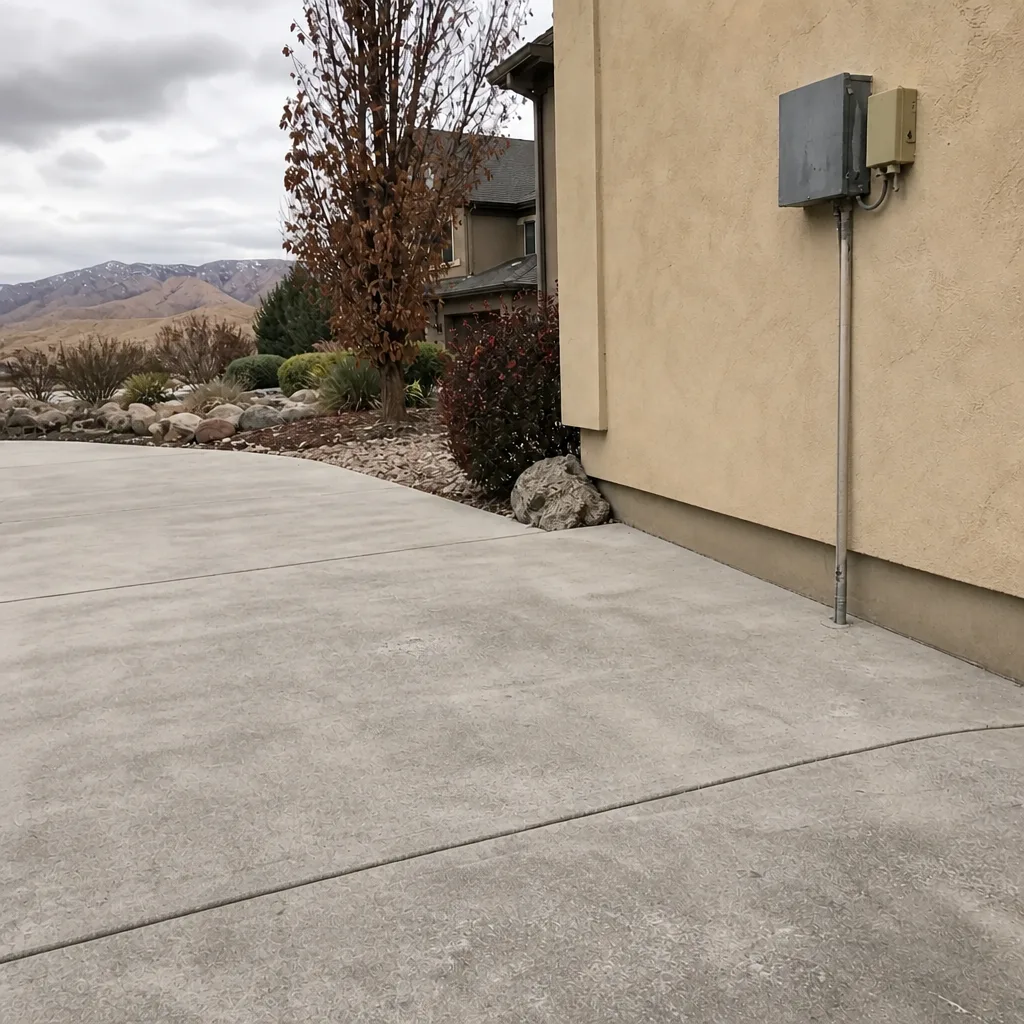 After
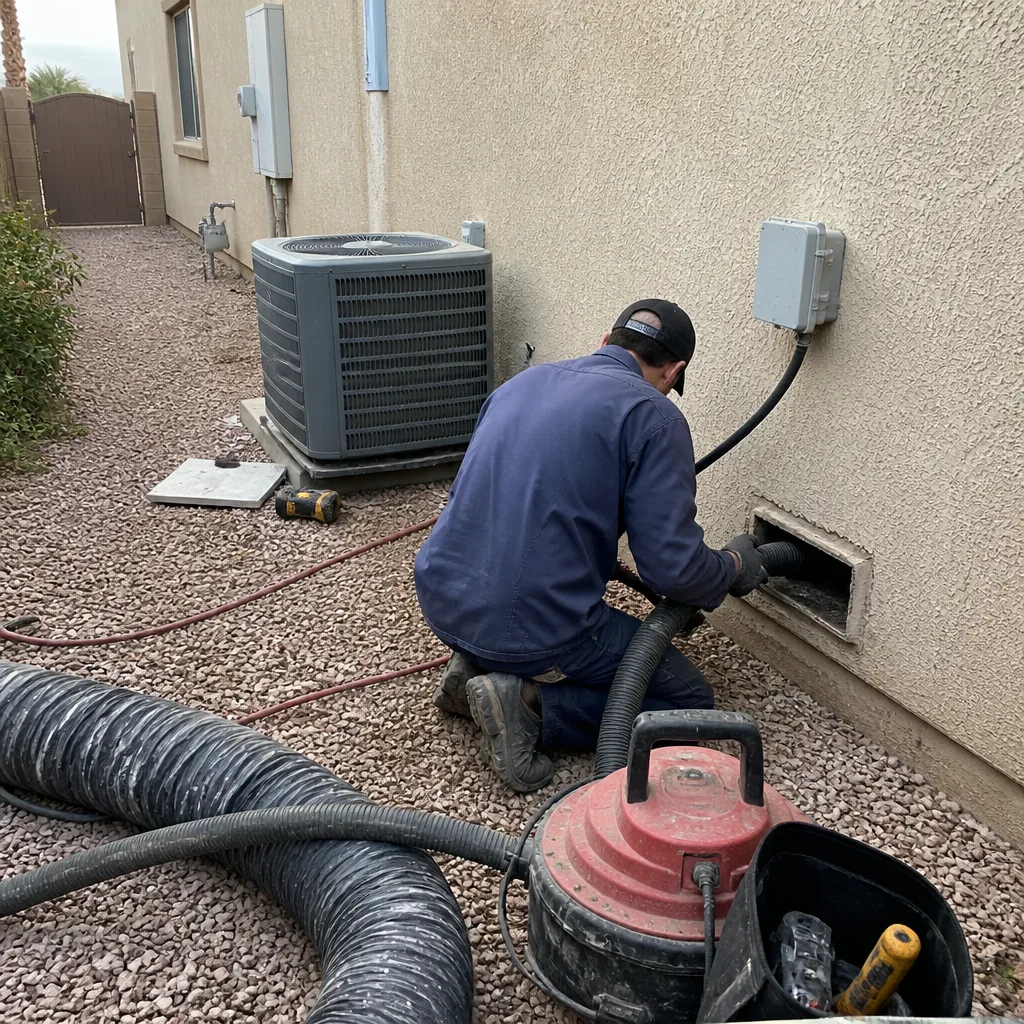 Before
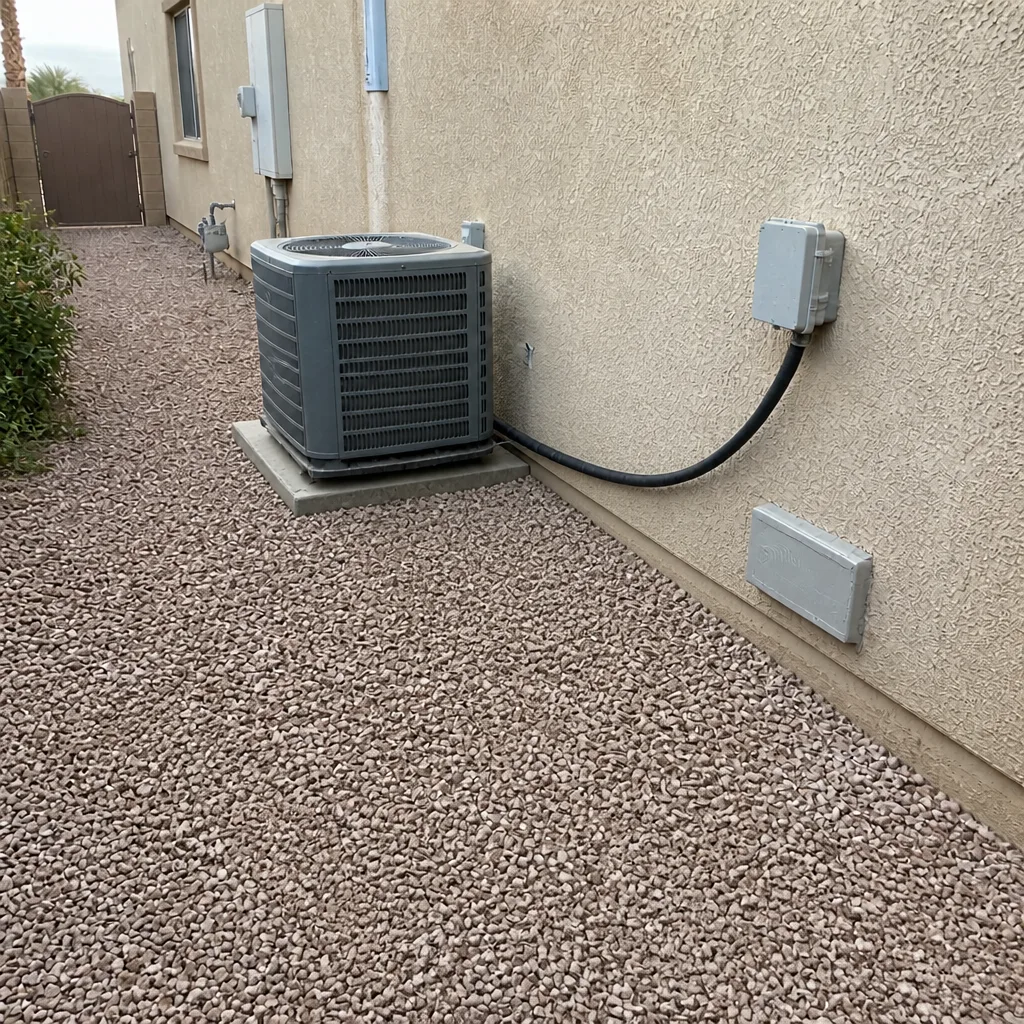 After
Dryer vent cleaning: the safety cost you shouldn’t skip
Most duct cleaning quotes don’t include the dryer vent, and that’s worth calling out separately. A clogged dryer vent is one of the leading household fire hazards in the U.S. because lint buildup restricts airflow, the dryer runs hotter and longer, and lint catches fire more easily the more it accumulates. In St. George, dryer vents often run upward through the wall or attic to the exterior, which means lint has a real climb, and buildup happens more quickly than with a straight out-the-wall vent.
Dryer vent cleaning is a standard part of our service alongside air duct work, and in our experience it’s the single most overlooked fire-safety task in most homes. If you’ve never had yours cleaned and your dryer cycle feels longer than it used to, that’s a strong signal worth acting on. Our dryer vent cleaning page covers what the cleaning involves and what to look for.
Common Mistakes to Avoid
- Choosing purely on the lowest quote. A quote far below the St. George market almost always reflects reduced scope. Ask what equipment and coverage are included before you judge a price as better.
- Not asking for before-and-after photos. Photos of your own system, before and after work, are how you know the cleaning actually happened. A company that can’t produce them is asking you to take their word for it.
- Assuming a cleaning alone fixes airflow problems. A cleaning won’t fix a disconnected duct or a crushed flex run. If your system has a real airflow issue, an inspection may reveal repair is needed first.
- Adding UV or sanitizing to every cleaning as a matter of course. Both have their place, but neither should be standard on every job before inspection. Wait for the technician to show you why.
- Skipping the dryer vent. It’s separate from the main duct system but it’s a documented fire hazard. If you’re having ducts cleaned, ask about the dryer vent while you’re scheduling.
- Expecting the job to take twenty minutes. A legitimate full-system cleaning on a St. George home takes hours, not minutes. A quick visit is usually a quick job, and a quick job is rarely a thorough one.
- Waiting until a system is in serious trouble. In St. George’s extreme-use climate, the system is running hard. Routine cleaning and inspection catch problems while they’re small and cheaper to fix.
When to Call a Professional
Some signs mean it’s worth getting an inspection sooner rather than later. Visible dust blowing from supply registers when the system starts up is one. Another is a persistent musty smell that doesn’t clear after cleaning the rest of the house. Higher-than-usual dust accumulation on surfaces is a third, and in St. George, where exposed dirt and fine particulate get tracked in, that one often has a duct component. If anyone in the household has worsening allergy symptoms that ease when they’re away from home, that’s worth a look at the system too. Longer-than-usual HVAC run times or uneven cooling between rooms can indicate airflow problems that cleaning or repair may help with. And if your dryer is running hotter than it used to or the cycle is taking longer than it should, get the vent checked. Ironwood Air Duct Cleaning offers free estimates in St. George. Call (855) 419-9402. We answer 24/7. Fast dispatch from 7am to 7pm, Sunday through Friday.
Frequently Asked Questions
Most St. George homes fall in the $300 to $600 range for a standard full-system cleaning in 2026, with basic single-system cleaning starting around $250 to $300 and larger or heavily contaminated systems reaching $600 to $900. The written estimate sets the final price before any work begins. Call (855) 419-9402 for an exact quote. Estimates are free.
Lower quotes almost always reflect a narrower scope and less capable equipment. A $99 to $149 price typically covers a portable vacuum pass on the main trunk and visible branches, not contact cleaning of every supply and return with HEPA capture. At that price, there’s no room in the budget for the equipment and time a full cleaning requires. Ask what equipment and coverage each quote includes, then compare on scope rather than sticker price. Call (855) 419-9402 for a written quote you can compare side by side.
Ask for before-and-after photos of your own system’s duct interior. That’s the clearest way to verify that the cleaning reached the runs it was supposed to. At a minimum, you should be shown what was found and what was cleaned, and a written invoice that matches the scope of work quoted. Call (855) 419-9402 to schedule an estimate and go over how the work will be documented.
Most homes benefit from a cleaning every three to five years. Homes with pets, recent renovation work, or heavy occupancy may benefit more often, and rental properties in St. George that have cycled through tenants often need it sooner. If you notice dust from registers, longer HVAC run times, or uneven cooling, that’s a good prompt to schedule an inspection. Call (855) 419-9402 to talk through your situation.
In St. George, the answer is often yes, because the HVAC system here runs hard through a long hot season. A clean, sealed, properly flowing duct system reduces strain on the equipment and lowers energy waste. If your system is due or your airflow feels off, it’s worth having checked. Call (855) 419-9402 for a free estimate.
We use professional-grade Rotobrush contact cleaning paired with Nikro HEPA vacuum systems, and we bring Abatement Technologies capability for jobs that need containment-level handling. That’s a different equipment class from the portable blowers common among low-bid operators. Call (855) 419-9402 to discuss what your system needs.
The Bottom Line
The price difference between a $99 duct cleaning and a $600 one in St. George isn’t a matter of margin. It’s a difference in scope, equipment, and time. Contact cleaning with rotary tools and HEPA capture takes hours and real equipment investment; a portable vacuum pass takes far less of both. The cheapest quote is usually buying less, not getting a deal. A legitimate cleaning in St. George runs $300 to $600 for most homes, with a clear scope and before-and-after photos of your own system. One flat price per system, agreed before work starts. If you want a written estimate you can compare honestly against any other quote, call (855) 419-9402. We answer 24/7. Fast dispatch from 7am to 7pm, Sunday through Friday.
Written by the team at Ironwood Air Duct Cleaning.