
Last updated November 15, 2026
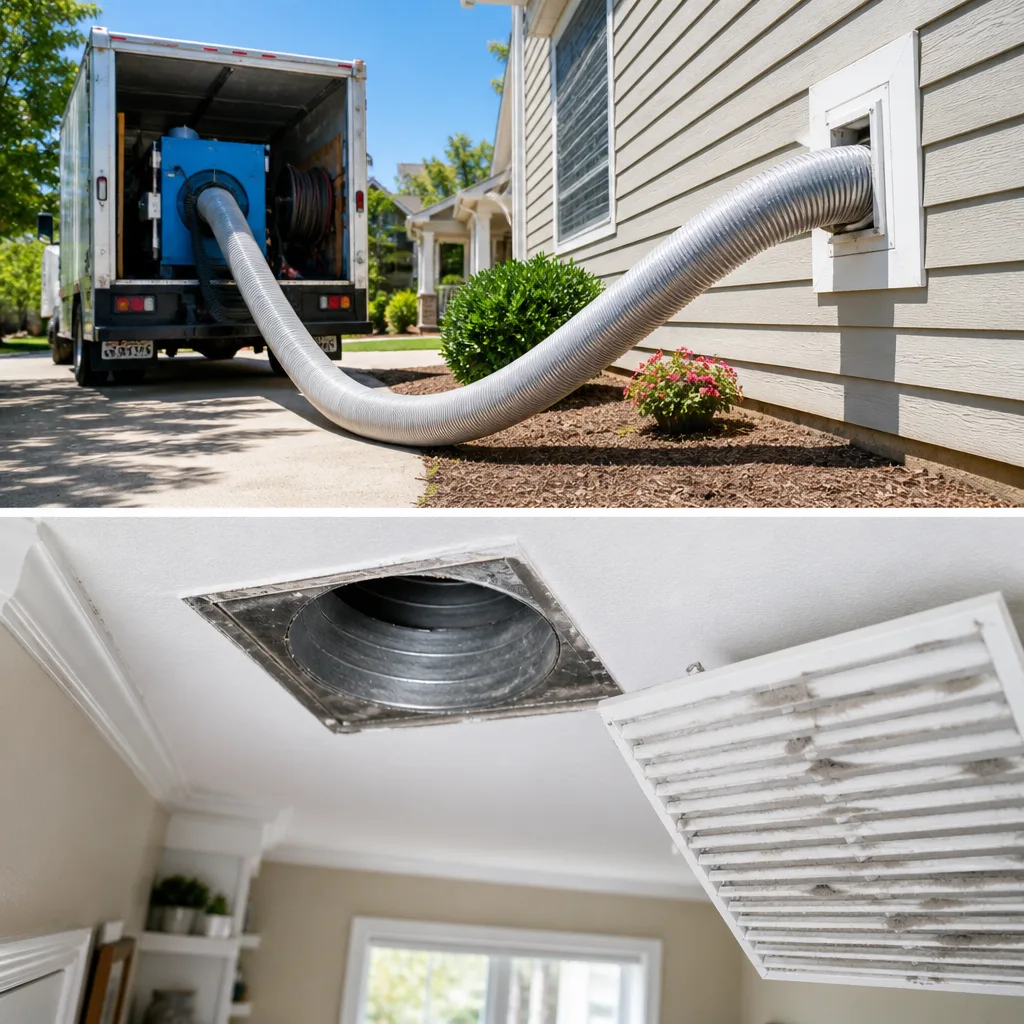 Whole-home duct cleaning
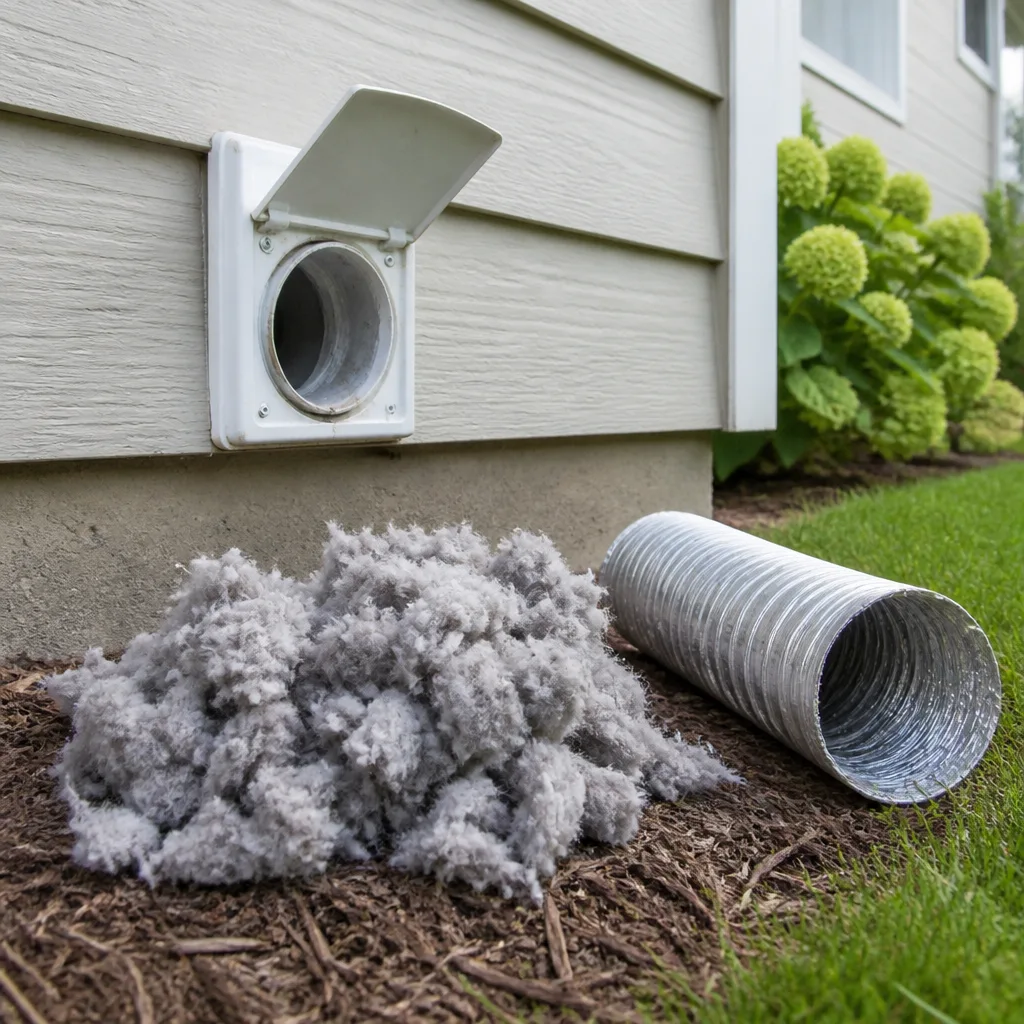 Dryer vent cleaning
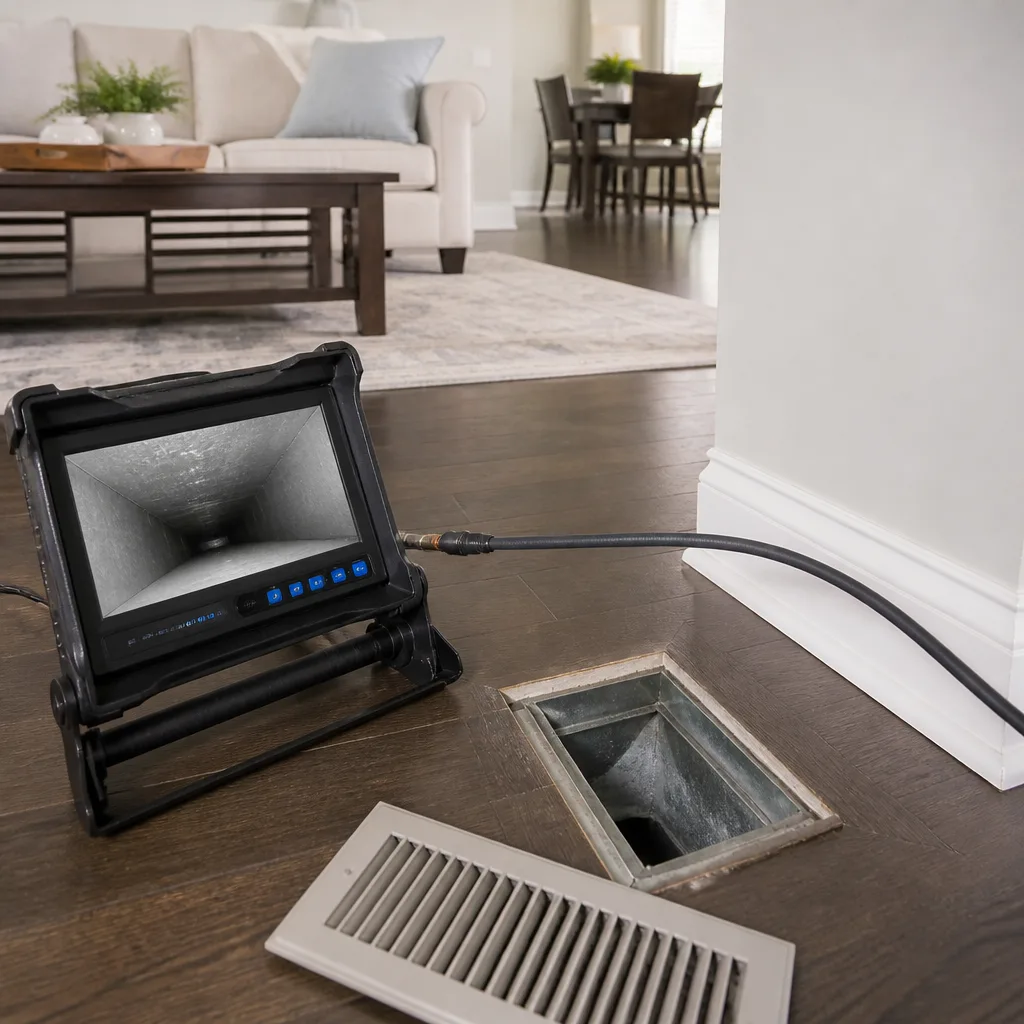 Camera inspection
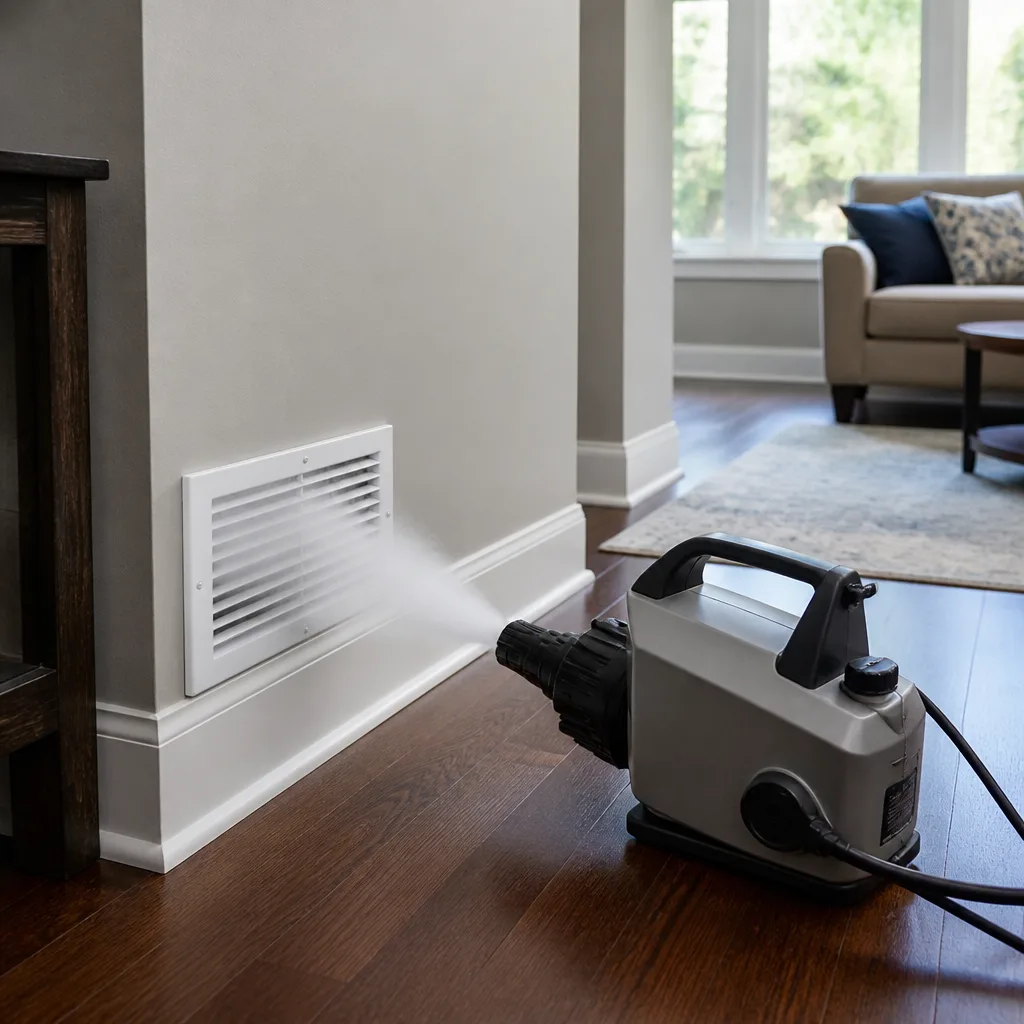 Sanitizing & deodorizing
Whole-system duct and dryer vent check with before-and-after photos - you see exactly what came out of your vents
That "$99 whole-house special" is a bait ad - the real number appears once they are in your hallway, or the "clean" is a shop-vac at the register. We photograph the inside of your ducts before and after instead.
Air Duct Cleaning Maintenance Schedule: What to Do and When
The national advice says clean your ducts every three to five years, or “as needed.” That guidance was written for a generic house in a generic climate, and it falls apart in a place where attic temperatures push past 160°F in July and fine desert dust settles on everything year round. St. George is exactly that environment, and it puts most homes on a tighter timeline than the generic number suggests. So instead of handing you a calendar, we’re going to hand you a set of conditions to read: how to look at your own home, your pets, your carpet, your recent renovations, and your furnace filter, and decide when your ducts actually need attention. By the end you’ll have a condition-based schedule that fits your house, not a slogan.
Quick Answer
Most St. George homes land on a two-to-four-year professional cleaning interval, with homes that have pets, carpet, or an older duct system on the shorter end and newer, tight-construction homes on the longer end. Any renovation, rodent problem, roof work, or HVAC replacement resets the clock regardless of how much time has passed. If you’re changing furnace filters every 30 days instead of every 90, treat that as a signal your ducts are dirtier than the calendar says.
Styles & brands we work with
- Whole-home duct cleaning
- Dryer vent cleaning
- Camera inspection
- Sanitizing & deodorizing
Table of Contents
- Why the Generic “3-to-5 Year” Rule Fails in St. George
- The Condition-Based Decision Matrix
- How Desert Heat Drives Dust Adhesion Inside Your Ducts
- The Post-Event Triggers That Reset Your Schedule
- Your Furnace Filter as a Proxy for Duct Condition
- What You Can Do Between Professional Cleanings (and What You Can’t)
- When It’s a Repair Problem, Not a Cleaning Problem
- A Simple Annual and Multi-Year Schedule to Follow
Why the Generic “3-to-5 Year” Rule Fails in St. George
The widely repeated “clean every three to five years” number comes from a reasonable place: indoor air quality guidance that says to clean ducts when they’re contaminated, and a rough average interval that fits mild climates and average homes. What it doesn’t do is account for the variables that actually drive how fast a duct system loads up with dust, debris, and biological growth. And in St. George, those variables run against you.
Here’s what we mean. Contamination rate inside a duct system depends on four things: how much particulate enters the return, how often the system runs, how hot and dry the environment is, and how well the duct system is sealed. In the St. George area, the system runs hard for months. Summer air is dry and loaded with fine dust. Construction dust from new builds and remodels is a year-round reality rather than a seasonal nuisance. And a lot of the housing stock has ductwork that was installed decades ago and was never designed for modern filtration.
- System run time: A desert home runs its air handler far more hours per year than a mild-climate home, so more air – and more dust – passes through the same ducts.
- Particulate load: Fine dust, pollen, and construction particulate stay airborne longer in dry air and settle inside the return and supply runs.
- Attic heat: Duct runs in an attic cook through the summer, and heat changes how dust behaves on duct surfaces, which we’ll get to below.
- Housing age: Older duct systems have more seams, more flex duct, and more opportunity for leaks that pull attic dust into the system.
None of that means every St. George house needs annual cleaning. It means the honest interval is driven by your home’s specific conditions, not a number pulled from a national page. That’s the whole point of this guide.
The Condition-Based Decision Matrix
Instead of one interval, use this matrix. Read down the left column for your home’s profile, then read across to get a starting interval. It’s a starting point, not a guarantee – your filter behavior and a visual inspection of the registers will tell you if you need to tighten it.
- Pets + carpet + home 20+ years old: Every 24 to 30 months. This is the heaviest load profile we see, and it loads up fast. Pet dander and carpet fibers are both fine particulate that settles in the return and on the supply runs.
- Pets, no carpet, mid-age home: Every 30 to 36 months. Removing carpet cuts one contaminant source substantially.
- No pets, carpet, older duct system: Every 30 to 36 months. Carpet is the driver here.
- No pets, hard floors, newer tight-construction home: Every 36 to 48 months, and only if the filter behavior and register inspection don’t push you shorter.
- Rental property with frequent tenant turnover: Every 30 months, and always before a new tenant moves in. Turnover is when you get to see the ducts without furniture in the way and without having to work around occupancy.
- Recently renovated (last 24 months): One cleaning at completion, then transition to the interval that fits the profile above.
Two reminders sit above the matrix. First, if anyone in the home has respiratory sensitivity, err on the shorter interval. Second, if a professional inspection finds damaged or disconnected duct runs, cleaning alone won’t fix the underlying problem – that’s a repair, and we’ll cover it below.
How Desert Heat Drives Dust Adhesion Inside Your Ducts
This is where the St. George environment really changes the equation, and most scheduling advice skips it entirely. When an attic in mid-summer pushes past 160°F, the duct runs up there get hot – and when the system cycles off, they cool back down. That daily heat cycle does something specific to dust.
Fine dust that settles on a hot duct surface tends to bake onto it rather than staying loose. The result is a thin, adhered film that a casual air wash won’t touch and that a shop vac at the register can’t reach. It’s why a duct system can look “not that bad” at the supply registers while holding a real dust load inside the runs. It’s also why contact cleaning – a rotary brush making physical contact with the duct walls, paired with a high-volume HEPA vacuum – produces a different result than blow-and-go air washing. We use Rotobrush contact-cleaning systems and Nikro HEPA vacuums for exactly this reason: the dust that’s baked on has to be physically broken loose, and the vacuum has to capture it before it recirculates into the house.
How to check for heat-adhered dust without a camera
- Pull a supply register grille (not the duct, just the grille) and look up into the first few inches of the run with a flashlight.
- If the duct wall looks uniformly grey-tan and the surface wipes clean easily, you have loose dust – a sign the system is loading up but not baked in yet.
- If the duct wall looks darker and the dust smears rather than wiping away, you have adhered dust, and your interval should be shortened regardless of when the last cleaning was.
- Repeat on a return grille. Returns tend to show the load first because they carry unfiltered air back to the air handler.
If you find adhered dust on more than a couple of registers, that’s your signal. It doesn’t matter what the calendar says – the ducts are telling you they’re due.
The Post-Event Triggers That Reset Your Schedule
Time elapsed is a weak signal. Events are strong signals. When any of the following happens, treat it as a reset and get the ducts looked at, then start the clock again from the date of the event:
- Major renovation or remodel. Drywall dust, insulation fibers, and sawdust get pulled into the return and distributed through the whole system. This is the single most common reason a homeowner discovers their ducts need cleaning years before the calendar said so.
- Rodent activity in the attic or crawlspace. Rodents leave droppings and nesting material inside duct runs, and if they’ve chewed through flex duct, they’ve also created a leak. Cleaning and inspection go together here, always.
- Roof work or re-roofing. Shingle grit, insulation disturbance, and attic dust end up in the return. New roof, then a duct check.
- HVAC replacement or major repair. Any time the air handler, coil, or a major run of ductwork is opened up, dust that was on the outside gets distributed to the inside. Get a cleaning at the same time, not a year later.
- Water intrusion or a musty smell. If you smell something earthy from a register, don’t schedule a cleaning and hope – get a professional to look at it, because moisture in ductwork can support biological growth that needs more than a brush.
- Moving into a new home. You don’t know the prior owner’s routine, so treat occupancy as a reset regardless of what the seller says.
For St. George specifically, one more event is worth calling out: a new build. New construction in the area is common, and new-build dust – drywall, framing, and insulation particulate – ends up in the duct system during the build. A cleaning at completion is money well spent, and it lets you start your interval from a clean baseline.
Your Furnace Filter as a Proxy for Duct Condition
If you want one cheap measurement for how your ducts are doing, look at your furnace filter. Not the filter’s appearance alone, but how quickly it loads. A filter in a clean, well-sealed duct system in this climate typically goes 90 days on a standard 1-inch pleated filter. If you’re changing it every 30 days, something upstream is feeding it dirt – and that something is almost always the duct system.
- Filter every 90 days: System is behaving normally. Stay on your matrix interval.
- Filter every 60 days: Elevated load. Shorten your interval by roughly six months and check a couple of registers.
- Filter every 30 days: High load. Get a professional inspection now, because the ducts are likely the hidden source, and changing filters more often won’t fix them.
One more filter note. A high-MERV filter is only useful if your duct system is sealed. A leaky return pulls attic air in downstream of the filter, so the air is dirty again before it reaches the coil. If you’re upgrading filtration – and we work with Honeywell and Aprilaire IAQ systems regularly – a duct inspection should go on the same visit. Filtering clean air is easy. Filtering air that’s been re-contaminated by a leaky duct is a losing fight.
What You Can Do Between Professional Cleanings (and What You Can’t)
Between professional cleanings, there’s real value in a short home maintenance routine – but it’s value in slowing the load, not in cleaning the ducts. Here’s the honest split.
What maintenance between visits actually accomplishes
- Vacuuming supply and return grilles. Pull the grille, vacuum it with a brush attachment, replace it. Reduces visible dust at the register and keeps the grille from becoming a dust source itself.
- Regular filter changes on the schedule above. A clean filter protects the coil and the blower, and makes the filter a reliable proxy for duct condition.
- Checking return grille airflow. If a return feels weak, that’s a signal worth investigating. Weak returns often mean a kink or disconnect somewhere in the run.
- Walking the attic or crawlspace once a season. Look for disconnected flex duct, water staining, or rodent evidence. You’re not fixing anything, you’re catching it early.
- Not blocking registers. Furniture and rugs over supply and return grilles restrict airflow, which means the system runs longer and the ducts load faster.
What maintenance between visits does not accomplish
- It doesn’t clean the inside of the duct runs. The register grille is the front door, not the room. The dust that matters is twenty feet back.
- It doesn’t fix a leak or a disconnect. Those have to be repaired, not cleaned around.
- It doesn’t address biological growth. If there’s moisture or a musty smell, you need a professional, and if the situation warrants containment-level work, Abatement Technologies equipment is the standard – not a consumer vacuum.
This is the core of what we do with an air duct cleaning visit: contact cleaning that removes the adhered dust, HEPA capture so it doesn’t recirculate, and a full-system inspection so the leak or disconnect gets caught rather than buried. Cleaning, repair, protect – in one visit, with one company.
When It’s a Repair Problem, Not a Cleaning Problem
Some duct systems don’t need cleaning as much as they need repair, and if you schedule cleaning when repair is what’s actually needed, you’ll be paying for a service that doesn’t solve your problem. That’s why we treat repair as a core service rather than an add-on. Here are the signs it’s repair:
- Weak airflow from one room while others are fine. Usually a kink, a crushed flex run, or a disconnect. Cleaning won’t restore airflow to a run that isn’t connected.
- A room that’s never the right temperature. A leaking or oversized run is often the cause, and a sealed and corrected run fixes it far more cheaply than a new HVAC system.
- Visible disconnected flex duct in the attic. Common in this area, and the fix is mechanical, not cleaning.
- Condensation or staining on or around the air handler. This warrants a professional look before anything else.
- A high dust smell or recurring filter clogging that a cleaning doesn’t fix. If a cleaning didn’t resolve it, there’s a leak pulling dirt into the system somewhere.
If you skip the repair, you’ll be cleaning the same ducts again next year. The load hasn’t changed because the source hasn’t changed. Full-system approach means the inspection happens first, and the repair happens alongside the cleaning when it’s needed.
A Simple Annual and Multi-Year Schedule to Follow
Here’s a schedule you can actually keep. It combines the matrix interval with a light annual routine, so you’re never guessing.
- Every year, same month: Change the filter on schedule, vacuum the register grilles, and walk the attic or crawlspace once. Fifteen minutes, most years.
- Every year, mid-summer: Check two supply registers and one return with a flashlight. Note whether the dust wipes off easily or smears. That tells you whether your interval is still accurate.
- On your matrix interval (2-4 years): Schedule a professional air duct cleaning with a full inspection. If a repair surfaces, handle it on the same visit.
- On any post-event trigger: Renovation, roof work, rodent activity, HVAC replacement. Get the ducts checked and reset the clock.
- Dryer vent, separately: Every 12 to 24 months, or more often in a busy household. We’ll explain why below.
Dryer vent belongs on this schedule too
Dryer vent cleaning is a fire-safety service, not a ductwork service, but it belongs on the same multi-year schedule because it addresses a leading household fire hazard most people forget about. Lint buildup restricts airflow, and restricted airflow means the dryer runs hotter and longer. We keep it on the same multi-year cycle so it doesn’t get skipped. If you’ve never had yours done and you’re moving into a St. George home, treat it as part of the post-move reset along with the ducts.
Common Mistakes to Avoid
- Cleaning on a fixed calendar without looking at the ducts. The 3-to-5 year number is a starting point, not a schedule. In St. George’s heat and dust, the calendar number is usually too generous.
- Hiring a blow-and-go operator. Air washing without contact equipment dislodges dust into the living space and leaves the adhered load on the walls. Ask what equipment the operator uses and whether a HEPA vacuum is part of the method.
- Assuming cleaning fixes a repair. If a run is disconnected, cleaning won’t restore airflow. Get the inspection first.
- Skipping the ducts after a renovation. Drywall dust is the most common single event that makes a duct cleaning suddenly necessary. Schedule it at the end of the project.
- Buying a higher-MERV filter as a substitute for cleaning. A filter captures what reaches it. It doesn’t clean the runs. If your filter loads every 30 days, fix the source, not the filter.
- Forgetting the dryer vent. Lint buildup restricts airflow and creates a fire hazard. It’s on a different service and a different schedule, but it belongs in the same maintenance calendar.
- Not noticing a musty smell from a register. Moisture in ducts is worth a professional look, not a hope, and not a self-cleaning attempt.
See the difference
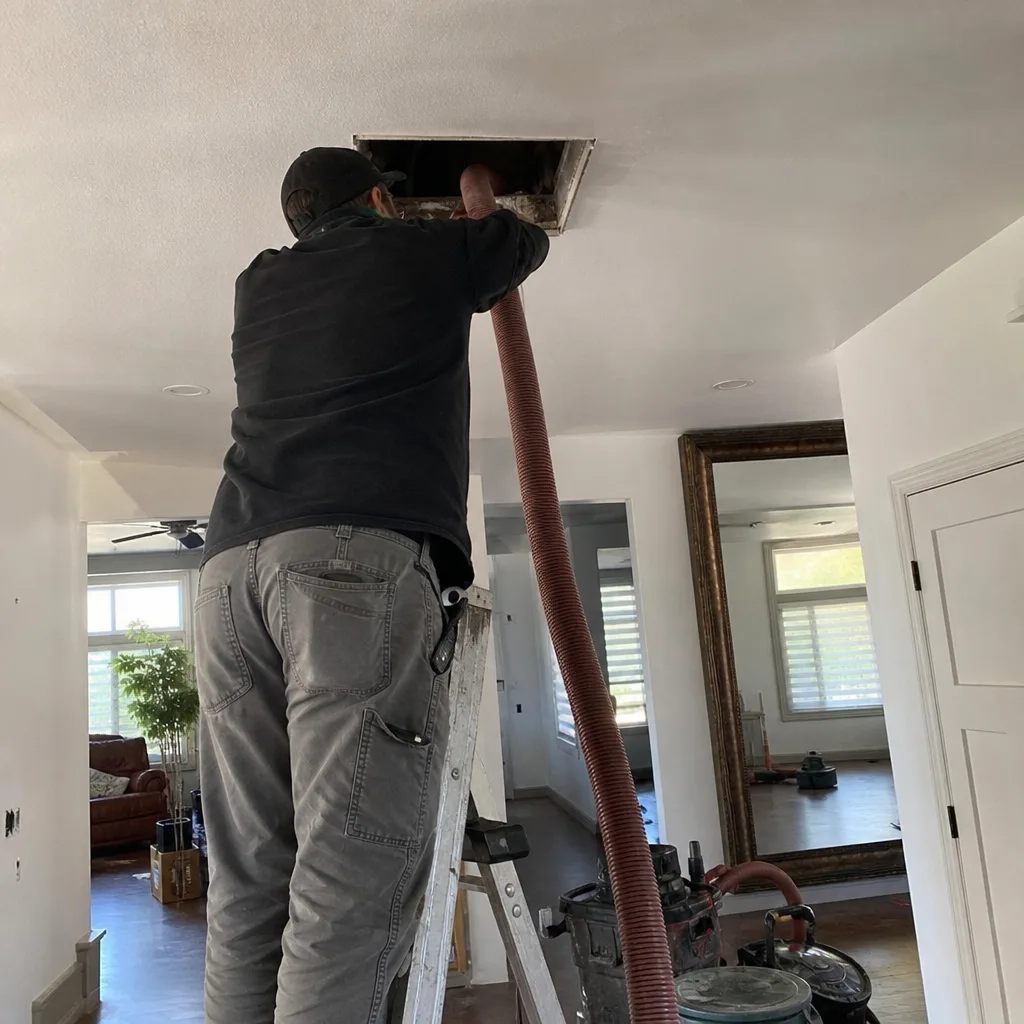 Before
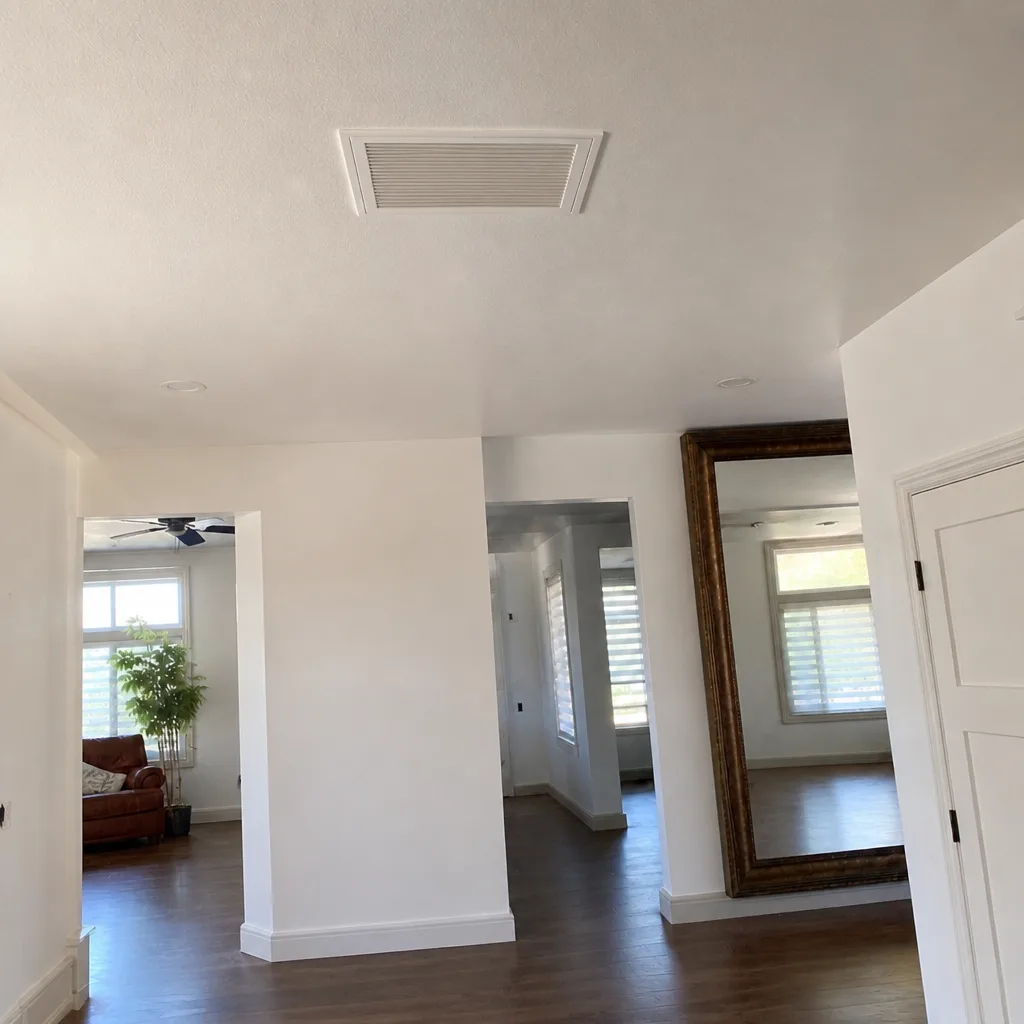 After
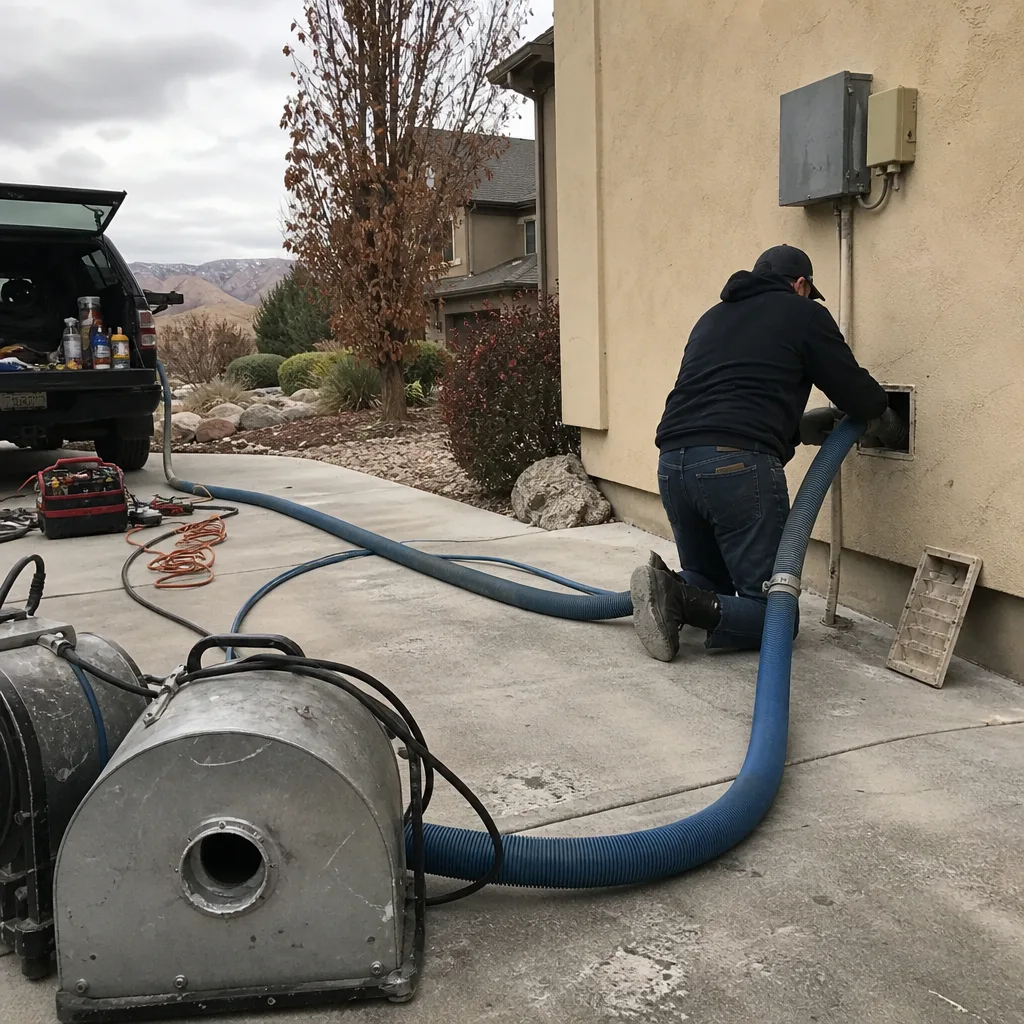 Before
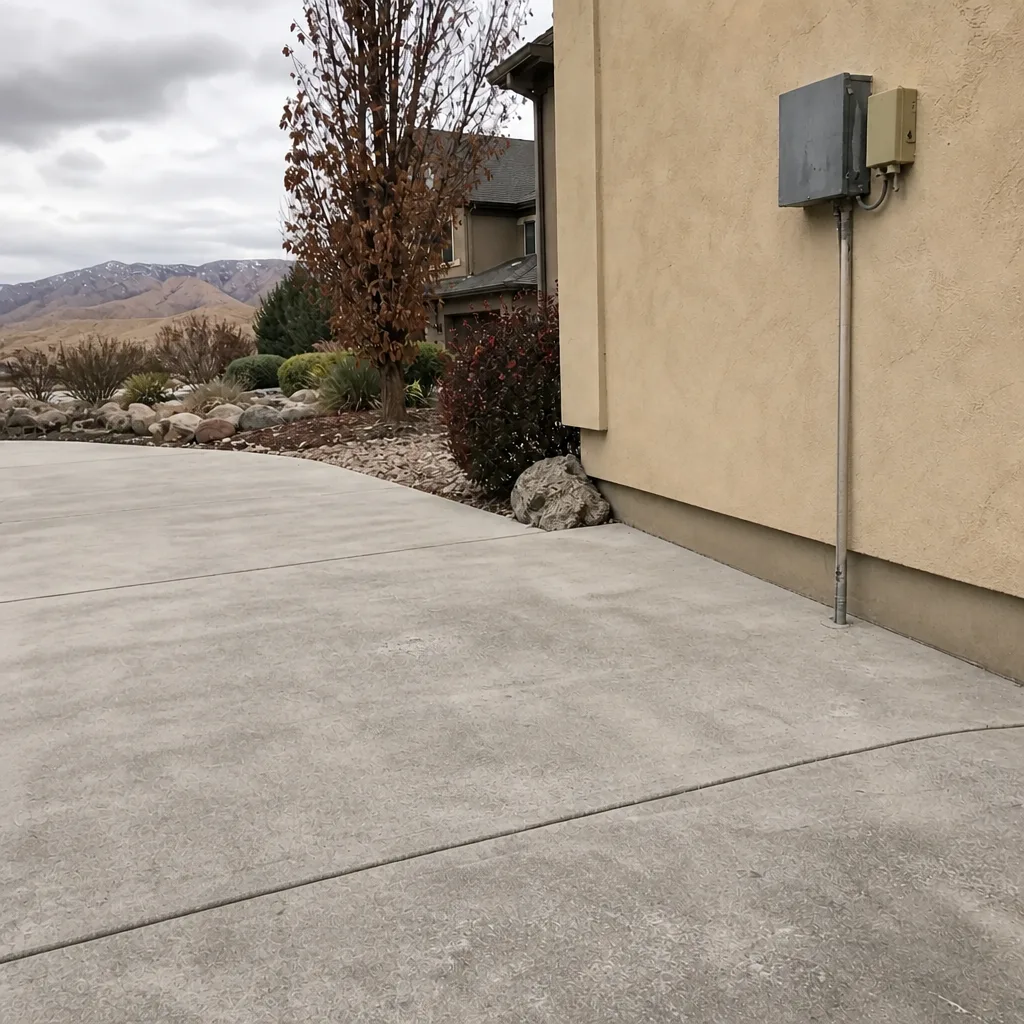 After
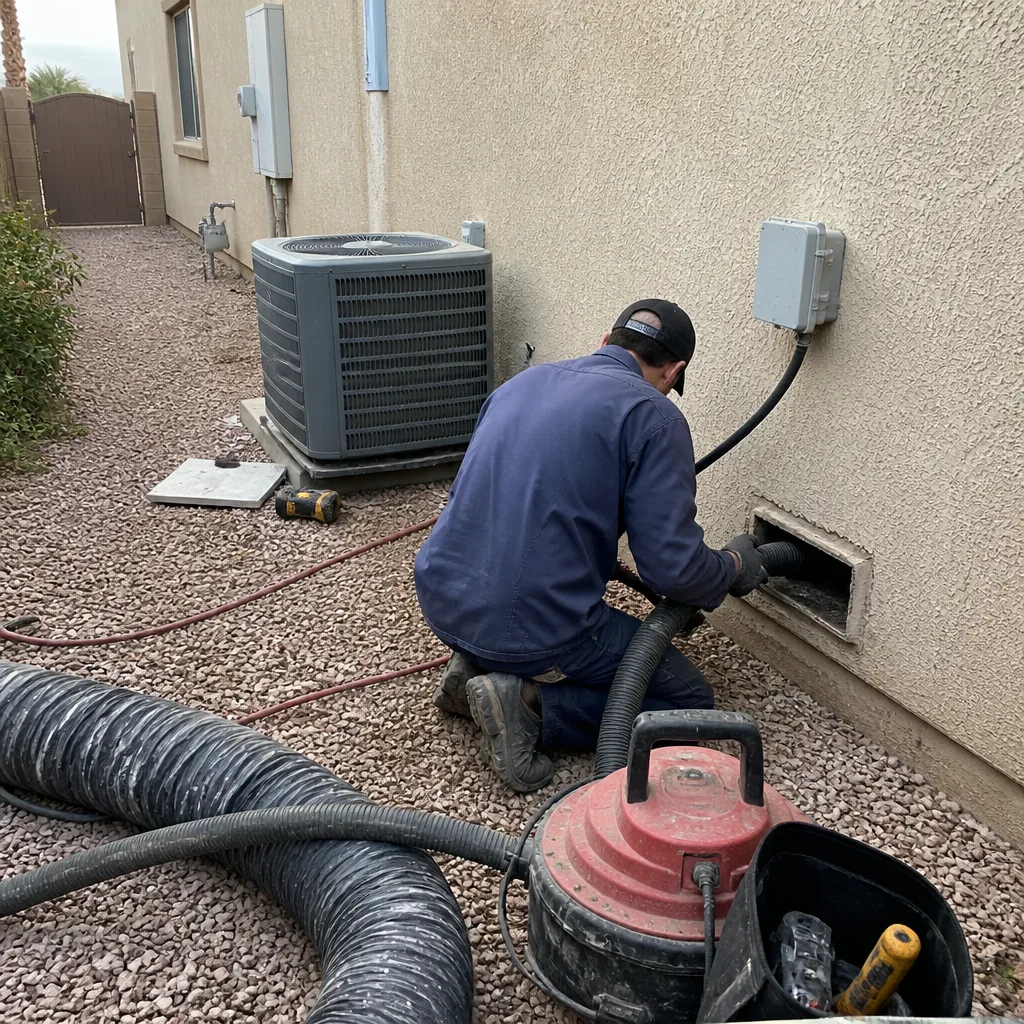 Before
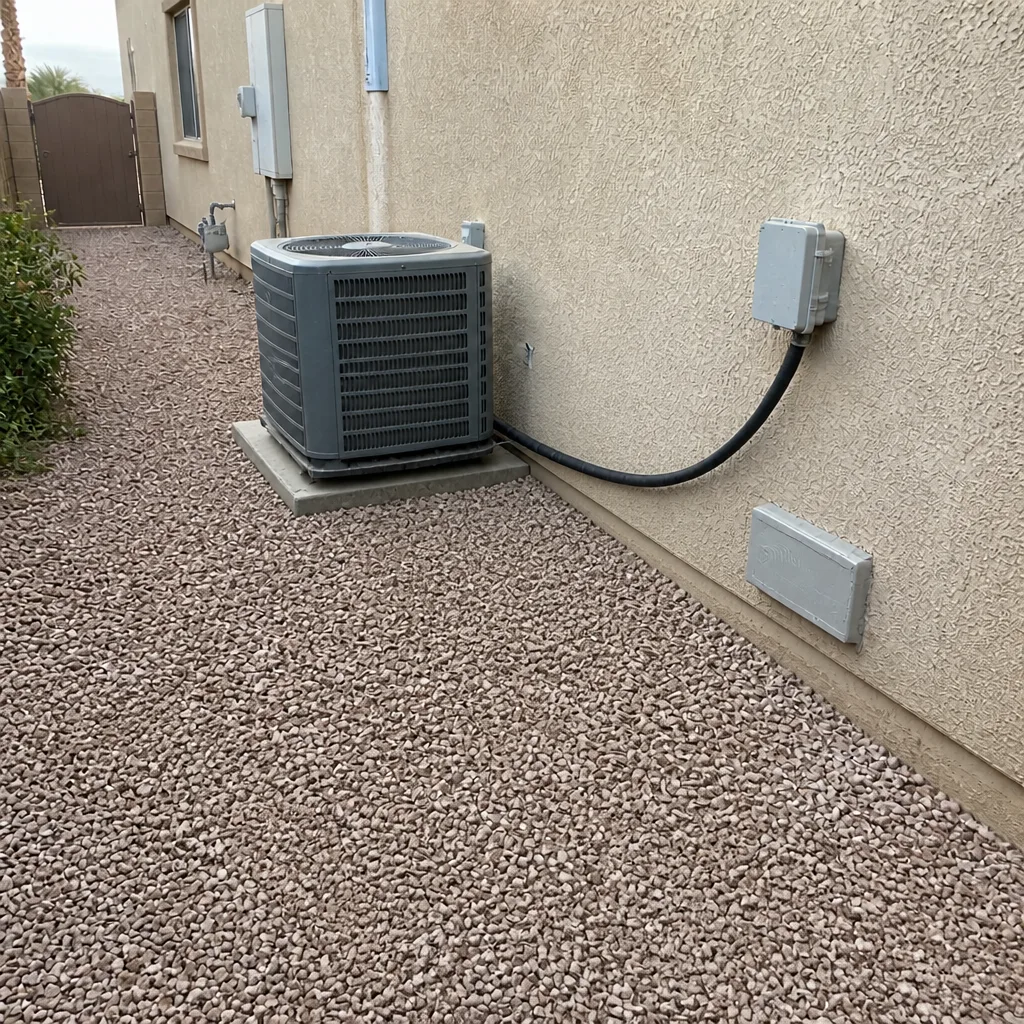 After
When to Call a Professional
Call a professional when any of these are true: you’re changing filters every 30 days, a register has smeared adhered dust instead of loose dust, a room has weak airflow or temperature problems, you’ve had renovation, roof work, or a new HVAC system installed in the last 12 months, you’ve had rodent activity, you smell something musty from a register, or your last cleaning was more than five years ago and you don’t know the history of the home. For a St. George home, “I’ve owned it for three years and never had it looked at” is a good enough reason to call. Ironwood Air Duct Cleaning offers free estimates in St. George – call (855) 419-9402. We answer 24/7. Fast dispatch from 7am to 7pm, Sunday through Friday. One flat price per system agreed before any work starts, and before-and-after photos of your own ducts so you can see exactly what came out of the system.
Frequently Asked Questions
Most St. George homes fall on a two-to-four-year interval. Homes with pets, carpet, and an older duct system typically need it on the shorter end; newer homes with no pets and hard floors can stretch to four years. Any renovation, roof work, rodent activity, or HVAC replacement resets the clock. Call (855) 419-9402 for an exact quote – estimates are free.
Yes, and the biggest factor is attic heat. When attic temperatures push past 160°F in summer, dust inside duct runs bakes onto the wall surface rather than staying loose. That adhered film builds up faster than it would in a milder climate, and it doesn’t wipe off. If you see smeared dust at the registers instead of loose dust, that’s the signal your interval should be shorter.
It’s the best cheap proxy you have. A well-sealed system lets a 1-inch pleated filter go 90 days in this climate. If you’re changing it every 30 days, your ducts are likely the hidden source and you should have the system inspected. A filter that loads fast means dirt is getting into the air handler from somewhere upstream, and the ducts are almost always the somewhere.
Because some operators only do an air wash, not contact cleaning. They blow compressed air through the system without rotary brush contact on the duct walls and without a HEPA vacuum to capture what’s dislodged, which means the adhered dust stays put and some of what does come loose recirculates into the house. We use Rotobrush contact-cleaning equipment and Nikro HEPA vacuums for a different outcome. Ask any operator what equipment they use, and get a flat price per system, not a per-vent teaser. Call (855) 419-9402 for an exact quote – estimates are free.
You should be able to see it. Ask for before-and-after photos of your own duct system, not stock photos, and walk the system with the technician so you see what was removed. It’s also fair to ask about the method and equipment by name. If the answer is “we use a big vacuum” with nothing more, that’s the moment to ask more questions.
Yes, and the interval is different: every 12 to 24 months for a household doing normal laundry, and more often if the household is busy. Lint buildup restricts airflow and is a leading household fire hazard, but it’s a different service from air duct cleaning. We include dryer vent cleaning in our service mix because most HVAC-only outfits skip it. If you’re in a new St. George home, treat it as part of the post-move reset.
The Bottom Line
A fixed calendar interval doesn’t fit St. George. The heat, the fine dust, the construction activity, and the age of the local housing stock all push most homes onto a shorter cleaning interval than the national advice suggests. Use the condition matrix as your starting point, read your filter behavior as a proxy, and let post-event triggers – renovation, roof work, rodents, new HVAC – reset the clock whenever they happen. Handle the register vacuuming and filter changes yourself, and bring in a professional for the contact cleaning, the inspection, and the repair when the system needs it. One flat price per system, before-and-after photos, and a full-system approach: cleaning, repair, and protection from Ironwood Air Duct Cleaning. Whether you’re in a new-build neighborhood or an older part of St. George, our technicians have up to 10 years of experience on residential and rental properties across the area.
Call (855) 419-9402 for a free estimate. We answer 24/7. Fast dispatch from 7am to 7pm, Sunday through Friday.
Written by the team at Ironwood Air Duct Cleaning.